Honey bee foraging behavior directly determines how effectively commercial crops are pollinated. Bees that begin flying soon after sunrise and remain active until near sunset can provide extended daily coverage, particularly when strong colonies are placed close to flowering crops. Targeted managed-bee pollination has been associated with 13.0% to 21.9% increases in fruit set in orchard crops such as peaches and plums, while also supporting citrus, strawberries, brassicas, vegetables, and oilseeds.
Commercial pollination is both a biological and logistical operation. Reliable results depend on matching healthy colonies to the crop’s flowering period, positioning hives for efficient foraging, and transporting and managing those colonies with equipment that protects bees, handlers, and hive integrity.
How Foraging Behavior Affects Crop Pollination
Daily flight activity extends pollination coverage
Honey bees such as Apis cerana may begin foraging shortly after sunrise and continue active flight until near sunset. This long daily operating window gives growers repeated opportunities for flower visits during the crop’s blooming period.
Actual activity still depends on colony strength, weather, temperature, floral availability, and the condition of the bees. Commercial operators should therefore treat daily flight duration as a planning advantage—not as a guarantee of uniform activity in every field.
Strong colonies provide more consistent service
Pollination performance depends on having enough active foragers available when the crop is flowering. Colonies must be inspected before deployment to confirm adequate population health and readiness for field conditions.
A weak or stressed colony may not provide the same coverage as a healthy, well-managed colony. Hive inspections, feeding when necessary, and appropriate maintenance are therefore part of pollination preparation rather than separate beekeeping tasks.
Crop timing and hive placement matter
Commercial pollination works best when colonies are present during the crop’s effective bloom window. Hives must be transported and positioned so that bees can access the target crop efficiently.
This is particularly important for migratory operations serving orchards, citrus groves, strawberry farms, brassica fields, and other geographically dispersed agricultural zones. Poor timing or unsuitable placement can reduce the value of otherwise healthy colonies.
Managed bees support yield and quality
Honey bees are major managed pollinators in modern agriculture. Their activity can increase fruit set, seed production, crop quality, and overall agricultural yield across a wide range of crops.
The benefit is not identical for every crop or season. Results depend on bloom conditions, colony quality, crop structure, competing flowers, and environmental factors, so commercial planning should focus on reliable coverage rather than assuming a fixed yield increase.
Equipment Required for Commercial Pollination
Standardized hive bodies and frames
Commercial apiaries typically rely on standardized movable-frame hives, including durable Langstroth-style equipment for large Apis mellifera operations. Standardization allows boxes, frames, covers, and other components to be interchanged across colonies.
Hive bodies may be manufactured from quality timber or dense synthetic materials. The critical requirements are structural durability, stackability, compatibility with handling systems, and the ability to withstand repeated field transport.
Hive manufacturing and assembly equipment
Commercial suppliers and large apiaries may require hive-making machinery for producing consistent wooden or composite hive components. Precision manufacturing supports uniform dimensions and dependable stacking.
Frame assembly equipment, frame wiring tools, and related hive-assembly hardware help maintain interchangeable equipment. This reduces handling delays when large numbers of colonies must be prepared for deployment or returned for inspection.
Inspection and colony-management tools
Beekeepers need hive smokers, hive tools, protective suits, gloves, and other protective equipment for safe inspections and routine maintenance. These tools allow operators to evaluate colony strength, identify problems, and prepare colonies for transport.
High-capacity smokers and efficient inspection tools are especially valuable for commercial apiaries managing tens or hundreds of colonies. Faster, organized inspections improve response times without eliminating the need for careful colony assessment.
Transport hardware and hive securing systems
Migratory pollination requires more than a standard hive cover. Each hive must be secured against shifting, vibration, bee escape, and excessive heat during transit.
Important transport components include:
- Heavy-duty straps, banding, and hive staples to secure boxes, bottom boards, and covers.
- Entrance screens or closure screens to contain bees during movement, particularly when colonies are transported at night.
- Top moving screens and ventilation covers to increase airflow in warm conditions.
- Hive pallets designed to hold multiple colonies for faster loading and unloading.
- Cargo netting to stabilize grouped loads during road transport.
- Forklifts, hive loaders, or compatible mechanical handling systems for moving palletized colonies efficiently.
Temperature and ventilation management
Heat stress is a serious transport concern, especially during warm-weather hauls. Ventilation screens and moving covers help maintain airflow while keeping colonies contained.
For extended transport, operations may also use water-spraying or soaker-hose systems to help keep hives cool. These systems should be integrated into the transport plan rather than treated as emergency equipment added after overheating begins.
How Commercial Operations Integrate the Equipment
Prepare colonies before field deployment
Before shipment, beekeepers inspect colony strength, hive condition, food reserves, and equipment security. Any damaged boxes, loose covers, or unsuitable frames should be corrected before loading.
This preparation protects the colony and reduces delays when hives arrive at the grower’s site. It also helps distributors and resellers identify the equipment customers need as a complete operational system rather than as isolated products.
Design for rapid loading and unloading
Pollination contractors often move large numbers of colonies between agricultural regions. Palletized hives, standardized components, secure straps, and mechanical loaders reduce manual handling and improve fulfillment speed.
For distributors, compatibility is a major purchasing consideration. Hive bodies, frames, pallets, fasteners, screens, and handling equipment should work together across the customer’s existing fleet wherever possible.
Maintain equipment between contracts
After a pollination cycle, hives and transport hardware require inspection, cleaning, repair, and replacement of worn components. Reusable equipment must be ready for the next crop window, which may occur in another region soon afterward.
A dependable supply partner should support this recurring demand with broad product availability, rapid order response, technical guidance, and efficient delivery of replacement parts and consumables.
Understanding the Trade-offs
Longer activity does not guarantee uniform pollination
Extended daily foraging can improve the opportunity for flower visits, but bee activity is not constant throughout the day. Weather, temperature, wind, crop attractiveness, and colony condition can all change field performance.
Commercial recommendations should therefore avoid promising a fixed result from hive placement alone. The practical objective is to provide healthy colonies and favorable access throughout the bloom period.
Durable equipment can increase handling weight
Heavy-duty hive bodies, pallets, straps, and transport hardware improve stability but may add weight and increase loading requirements. Operations must balance durability with the capacity of available forklifts, trucks, and hive loaders.
Lightweight materials may improve handling, while robust timber or composite systems may offer advantages in repeated commercial use. The correct choice depends on transport frequency, climate, equipment compatibility, and expected service life.
Ventilation must be balanced with containment
Closing entrances helps prevent bee escape during transit, but insufficient airflow can increase heat stress. Conversely, poorly fitted screens or covers may compromise containment.
Transport systems should use purpose-designed ventilation components and verify that all hive boxes are securely fastened before departure. Improvised solutions create avoidable risks for colonies, workers, and transport operators.
Standardization can limit flexibility
Standardized hive systems simplify inspections, spare-part management, extraction, and mechanical handling. However, a beekeeper operating multiple hive formats may need adapters, separate inventories, or additional equipment.
Before purchasing, commercial operators should confirm dimensions, frame compatibility, pallet configuration, and handling-system requirements. Distributors can add substantial value by helping customers avoid mismatched components.
Making the Right Choice for Your Goal
The best equipment package depends on whether the priority is pollination reliability, migratory efficiency, colony safety, or supply-chain performance.
- If your primary focus is reliable crop pollination: Prioritize healthy, inspection-ready colonies, standardized movable-frame hives, and equipment that supports timely deployment during the target bloom period.
- If your primary focus is migratory efficiency: Select stackable hive bodies, secure straps, ventilation screens, multi-hive pallets, cargo netting, and compatible mechanical loading equipment.
- If your primary focus is colony protection during transport: Emphasize secure entrance screens, airflow management, heat-control procedures, durable hive fasteners, and pre-shipment inspections.
- If your primary focus is commercial inventory and resale: Build a full-spectrum product portfolio covering hive components, frames, assembly tools, protective gear, transport hardware, and replacement parts.
- If your primary focus is rapid customer fulfillment: Work with suppliers that combine broad availability, responsive technical support, efficient order processing, and fast delivery across the complete equipment range.
When bee behavior, colony health, hive hardware, and logistics are planned as one system, commercial pollination becomes more reliable, scalable, and easier to manage.
Summary Table:
| Aspect | Impact | Equipment Needed |
|---|---|---|
| Daily flight activity | Extended pollination coverage | Hives with good ventilation |
| Colony strength | Consistent service | Inspection and management tools |
| Crop timing and placement | Efficient pollination | Transport hardware and securing systems |
| Managed bees | Increased yield and quality | Standardized hive bodies and frames |
Ensure your commercial pollination runs smoothly with our comprehensive range of beekeeping equipment. From hive-making machinery to transport securing systems, we support your operations with premium products and fast delivery. Contact us today to discuss your needs!
Related Products
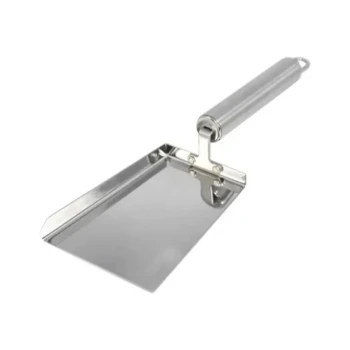
- Stainless Steel Pollen Shovel with Wooden Handle
- Heavy-Duty Ergonomic Stainless Steel Pollen Shovel
- Queen Bee Artificial Insemination Instrument Equipment for Instrumental Insemination
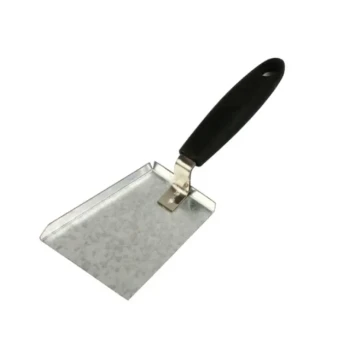
- Heavy-Duty Ergonomic Grip Galvanized Pollen Shovel
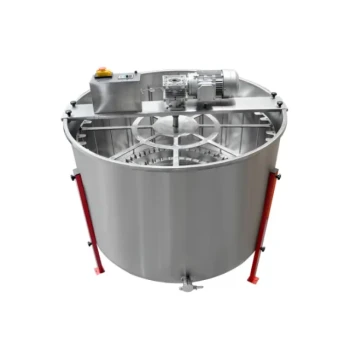
- 40 Frame Commercial Electric Honey Extractor for Beekeeping
People Also Ask
- How do bee pollen collection tools affect the quality of bee pollen used in functional dairy ice cream production?
- Why should commercial apiaries focus on the collection of diversified bee products? Maximize Your Hive’s Profit Potential
- How does a specialized pollen collector facilitate the harvesting of diverse bee products? Automate High-Value Yields
- What is the impact of pollen collectors and associated equipment on the cost structure of pollen production? Maximize ROI
- What is the technical significance of using specialized cutting tools for propolis? Master Precision Pollen Harvesting