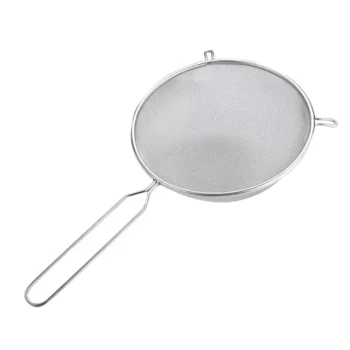
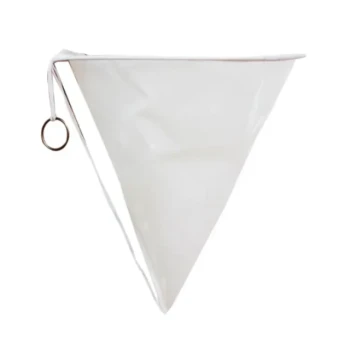
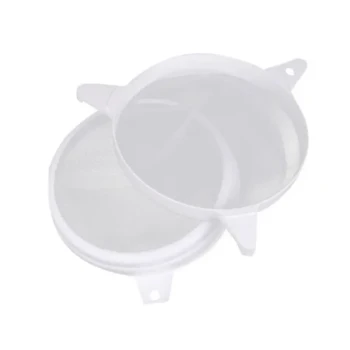
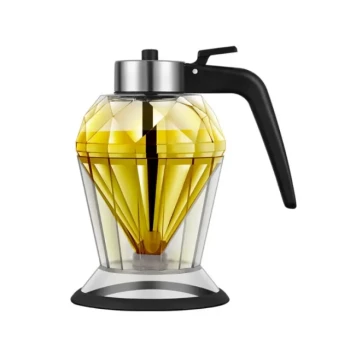
Honey filtration equipment acts as the critical bridge between raw harvest and a retail-ready commodity. By employing multi-layer media to systematically remove wax debris, pollen clusters, and micro-impurities, this machinery transforms variable raw ingredients into a consistent, commercially viable product. This process directly enhances visual clarity, delays crystallization, and ensures the hygiene necessary to secure shelf space in premium markets.
Core Takeaway Filtration is not merely about cleaning; it is about stabilization and standardization. By ensuring consistent texture, extending shelf life, and meeting rigorous food safety standards, filtration equipment empowers producers to transition from local sales to high-margin international and commercial retail markets.
Enhancing Sensory Appeal and Quality
Achieving Visual Clarity
The primary driver of consumer purchase decisions is often visual appeal. Filtration equipment removes suspended particles like wax, larvae, and plant debris that create cloudiness. This results in a product with superior transparency and color, which is a baseline requirement for commercial grading.
Ensuring Uniform Texture
Raw honey often contains air bubbles and uneven granules. Modern processing equipment utilizes high-precision filters and centrifuges to eliminate these inconsistencies. The result is a smooth, uniform texture that meets the sensory expectations of the average consumer.
Preserving Nutritional Integrity
While the goal is clarity, advanced equipment is designed to balance purification with preservation. It removes physical contaminants while maintaining precise temperature controls to protect active enzymes and natural aromas. This allows the final product to retain its premium status as a natural food source.
Improving Stability and Shelf Life
Delaying Crystallization
Crystallization is a natural process, but it is often viewed as a defect by mass-market consumers. Pollen clusters and micro-impurities act as "nucleation sites" where crystals begin to form. By filtering these out, the equipment significantly delays the crystallization process, keeping the honey liquid and attractive on the shelf for much longer.
Elevating Hygiene Standards
Manual processing introduces risks of contamination. Mechanized filtration systems reduce direct human contact and remove organic matter that could compromise food safety. This standardized physical filtration improves the overall hygiene level of the product, which is essential for passing strict regulatory inspections.
Driving Commercial Value
Accessing Premium Markets
Retailers and wholesalers require products that meet specific grading standards regarding moisture, clarity, and purity. Honey processed through industrial-grade equipment meets these international demands. This compliance opens doors to high-end markets that are inaccessible to producers relying on traditional, non-standardized extraction methods.
Stabilizing Profit Margins
By producing a standardized product, producers can navigate fluctuations in trade volumes more effectively. The ability to deliver consistent quality allows producers to command higher price premiums and maintain stable margins, moving beyond commodity pricing into value-added pricing.
Understanding the Trade-offs
The "Ultra-Filtration" Risk
While filtration improves marketability for the mass market, there is a nuance to consider regarding "raw" honey enthusiasts.
- Excessive filtration can strip away all pollen, which makes it impossible to trace the honey's botanical or geographical origin.
- Heat Management: If the equipment uses excessive heat to speed up filtration, it can destroy the very enzymes that make honey valuable.
- The Balance: The most effective marketability strategy uses equipment that filters impurities without sterilization, ensuring the honey remains "clean" but biologically active.
Making the Right Choice for Your Goal
The level of filtration you employ should align directly with your target customer and distribution channel.
- If your primary focus is Mass Retail Distribution: Prioritize high-precision filtration to maximize clarity and delay crystallization, ensuring the longest possible shelf life.
- If your primary focus is the Artisan/Raw Market: Utilize coarse filtration to remove only visible debris (wax and bee parts) while retaining pollen to market the product as "raw and unfiltered."
Ultimately, filtration equipment converts a raw agricultural variable into a stable, high-value asset capable of competing on the global stage.
Summary Table:
| Feature | Impact on Marketability | Benefit to Producers |
|---|---|---|
| Impurity Removal | Improves visual clarity and transparency | Meets commercial grading standards |
| Nucleation Control | Delays the natural crystallization process | Extends shelf life and retail windows |
| Consistency | Ensures uniform texture and sensory profile | Builds brand trust and repeat sales |
| Hygiene Standards | Minimizes contamination and organic debris | Simplifies regulatory and food safety compliance |
| Precision Control | Balances purity with enzyme preservation | Maintains high-margin 'natural' food status |
Elevate Your Honey Production with HONESTBEE
At HONESTBEE, we understand that professional-grade filtration is the difference between a raw harvest and a premium retail product. We provide commercial apiaries and distributors with a comprehensive suite of beekeeping machinery, including high-precision honey filtration systems, hive-making equipment, and honey-filling machines.
Whether you are scaling up for international export or supplying the wholesale market with essential industry consumables, our expertise ensures your honey meets the highest global standards. Contact us today to optimize your production line and see how our tailored equipment solutions can stabilize your margins and grow your brand.
References
- A. B. Shrestha, Sajjad Hussain. Strengthening horizontal and vertical linkages for honey value chain development in the Hindu Kush Himalayan region. DOI: 10.1007/s41027-016-0019-2
This article is also based on technical information from HonestBee Knowledge Base .
Related Products
- Electric Double Wall Honey Filtering Machine Purifier Equipment for Honey Processing Plant
- Professional Stainless Steel Honey Filtering Machine with Water Bath Heating for Beekeeping
- 0.5T Capacity Honey Dehumidifier Dryer with Vacuum Heating and Thickening Filtering Machine
- Honey Concentrating and Filtering Dehumidifier Machine 2T Capacity for Honey
- Professional Stainless Steel Honey Filter with Support Handle
People Also Ask
- What is the process of filtering honey? A Guide to Clean, Pure, and Market-Ready Honey
- What types of equipment are used in honey filtering? Build an Efficient System for Pure, Marketable Honey
- What is the overall importance of using the right equipment in honey filtering? Boost Quality & Marketability
- What steps are involved in maintaining honey filtering equipment? A Guide to Protecting Your Honey Quality
- How should honey filtering equipment be properly maintained? Extend Equipment Life & Protect Honey Purity