Honey filtration equipment acts as the critical purification stage between extraction and bottling. It mechanically intercepts and removes physical contaminants—such as beeswax fragments, bee remains, and environmental debris—to ensure the final product is safe and visually clear. This process directly aligns the raw substance with food safety standards and the sensory expectations of the modern consumer.
By eliminating organic impurities that serve as catalysts for spoilage and crystallization, filtration equipment transforms raw hive harvest into a stable, commercially viable product without compromising its essential nutritional profile.
Enhancing Physical Purity and Aesthetics
Removal of Macro Impurities
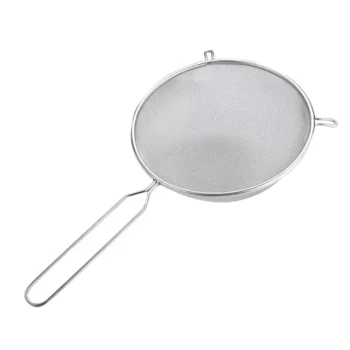
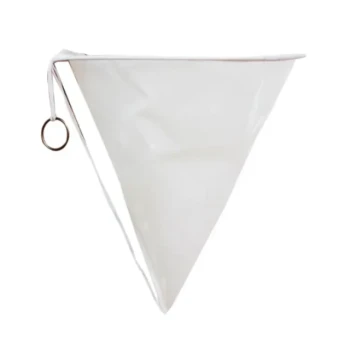
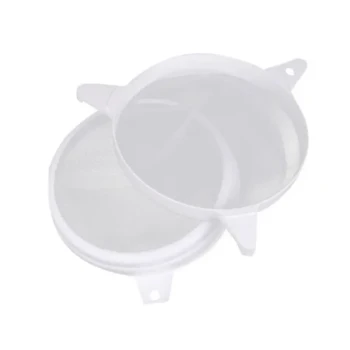
The primary function of this equipment is the mechanical separation of solids from liquids. During extraction, raw honey is inevitably mixed with hive debris, including beeswax particles, larvae fragments, and other suspended solids. Filtration systems use fine mesh or centrifugal force to strip these contaminants from the liquid honey.
Achieving Market-Ready Clarity
Consumers equate transparency with quality. By utilizing multi-stage filtration or high-density nets, the equipment polishes the honey to a clear, transparent state. This visual purification is often the deciding factor in grading evaluations and determines the final selling price of the product.
Improving Stability and Shelf Life
Delaying Crystallization
Solid particles suspended in honey act as "nucleation sites" where sugar crystals begin to form. By removing microscopic beeswax and solid residue, filtration significantly reduces the surface area available for crystal growth. This process extends the liquid phase of the honey, ensuring it remains pourable on the shelf for a longer period.
Preventing Fermentation
Organic residues left in unfiltered honey can harbor yeasts or moisture pockets that trigger fermentation. Filtration equipment removes these organic risks, thereby stabilizing the honey against spoilage. This ensures storage stability long after the bottling process is complete, which is essential for international trade and logistics.
Preserving Nutritional and Sensory Integrity
Retention of Bioactive Components
Modern professional filtration differs significantly from aggressive industrial processing or crude manual squeezing. Precision equipment is designed to clarify the liquid while maximizing the preservation of bioactive components, such as vitamins, phenols, and flavonoids. This ensures the honey retains the unique health properties associated with mono-floral varieties.
Flavor Profile Refinement
Impurities like wax and bee parts can impart off-flavors to the honey over time. Physical purification improves the flavor profile by ensuring the consumer tastes only the nectar-derived sugars and aromatics. This results in a cleaner, more distinct taste compared to raw honey processed via manual methods.
Understanding the Trade-offs
The Balance of Filtration Density
While clarity is desirable, there is a technical trade-off between visual perfection and biological richness. Ultra-fine filtration can inadvertently remove pollen grains, which act as a geographic fingerprint and nutritional boost for the honey. Operators must choose mesh sizes that balance commercial clarity with the retention of these microscopic beneficial elements.
Temperature and Processing Speed
Filtration equipment often works in tandem with heating units to lower viscosity and speed up flow. However, excessive heat applied to facilitate faster filtration can damage heat-sensitive enzymes (like diastase). High-quality equipment utilizes precise temperature regulation to ensure flow efficiency does not come at the cost of chemical degradation.
Making the Right Choice for Your Goal
To maximize the value of your honey, align your filtration strategy with your end market:
- If your primary focus is Mass Market Retail: Prioritize multi-stage filtration to achieve maximum transparency and delay crystallization for long shelf stability.
- If your primary focus is Organic or Artisanal Sales: Use coarser filtration settings to remove macro debris while retaining pollen and ensuring the preservation of heat-sensitive enzymes.
The right filtration equipment does not just clean honey; it defines its stability, value, and identity in the marketplace.
Summary Table:
| Benefit | Function | Impact on Quality |
|---|---|---|
| Physical Purity | Removes beeswax, larvae fragments, and debris. | Ensures food safety and high-grade aesthetic clarity. |
| Stability | Eliminates nucleation sites for sugar crystals. | Delays crystallization and extends pourable shelf life. |
| Fermentation Control | Removes organic residues and yeast-harboring solids. | Prevents spoilage and ensures stability during logistics. |
| Flavor Refinement | Separates off-flavor-inducing contaminants. | Preserves the clean, nectar-derived aromatic profile. |
| Nutrient Preservation | Uses precision mesh and temperature control. | Retains bioactive components like vitamins and phenols. |
Elevate Your Honey Quality with HONESTBEE Professional Solutions
At HONESTBEE, we understand that for commercial apiaries and distributors, the difference between raw harvest and a premium market-ready product lies in the precision of your equipment. We provide a comprehensive wholesale range of specialized beekeeping tools, honey-filling machinery, and high-performance filtration systems designed to maximize clarity while preserving nutritional integrity.
Whether you are looking to scale your production with advanced hive-making machines or need essential industry consumables to maintain the highest food safety standards, our team is here to support your growth.
Ready to optimize your honey processing? Contact us today to explore our wholesale offerings
References
- Lyubomir Lyubenov, Ivaylo Hristakov. Profitableness and perspective of the apiculture in North-eastern Bulgaria. DOI: 10.22616/rrd.27.2021.024
This article is also based on technical information from HonestBee Knowledge Base .
Related Products
- Electric Double Wall Honey Filtering Machine Purifier Equipment for Honey Processing Plant
- Professional Stainless Steel Honey Filtering Machine with Water Bath Heating for Beekeeping
- 0.5T Capacity Honey Dehumidifier Dryer with Vacuum Heating and Thickening Filtering Machine
- Honey Concentrating and Filtering Dehumidifier Machine 2T Capacity for Honey
- Professional Stainless Steel Honey Filter with Support Handle
People Also Ask
- What is the process of filtering honey? A Guide to Clean, Pure, and Market-Ready Honey
- What types of equipment are used in honey filtering? Build an Efficient System for Pure, Marketable Honey
- What is the overall importance of using the right equipment in honey filtering? Boost Quality & Marketability
- What steps are involved in maintaining honey filtering equipment? A Guide to Protecting Your Honey Quality
- Why is filtering important in honey processing, and what equipment is used? A Guide to Quality & Efficiency