Long-term storage in standard plastic buckets significantly compromises honey quality due to the material's inherent permeability and lack of an absolute air seal. Compared to high-seal alternatives, plastic buckets allow for gas exchange, leading to the dissipation of specific volatile components and increasing the risk of oxidation, which alters the honey's flavor profile.
Core Takeaway While plastic buckets are often used for transport, they are generally unsuitable for long-term preservation because they fail to create a hermetic seal. To maintain the stability of volatile profiles and prevent spoilage, honey requires high-seal containers—such as specialized stainless steel or high-quality screw-cap vessels—that isolate the matrix from atmospheric moisture and oxygen.
The Mechanics of Flavor & Volatile Loss
Permeability of Standard Plastic
Standard plastic buckets stored at room temperature are frequently not completely airtight. The material itself may possess a certain degree of permeability, or the lid mechanism may fail to prevent gas exchange over long periods.
Dissipation of Aromatic Compounds
This lack of a hermetic seal leads to the direct loss of the honey's unique "fingerprint." Characteristic volatile components, such as those responsible for specific odors like skatole, will naturally dissipate from the container over time.
Oxidation Risks
When the container is not airtight, oxygen ingress becomes inevitable. This exposure triggers oxidation reactions within the honey, which degrades fragile flavor compounds and alters the sensory profile compared to fresh honey.
The Impact of Seal Integrity on Stability
Preventing Moisture Absorption
Honey is highly hygroscopic, meaning it aggressively absorbs moisture from the surrounding atmosphere. High-sealing containers are critical to maintaining the honey’s moisture content below 20%.
Avoiding Fermentation
If a plastic bucket allows moisture to enter, the water content of the honey will rise. This creates an environment where osmophilic yeasts can proliferate, leading to fermentation and inevitable spoilage.
Commercial Processing Standards
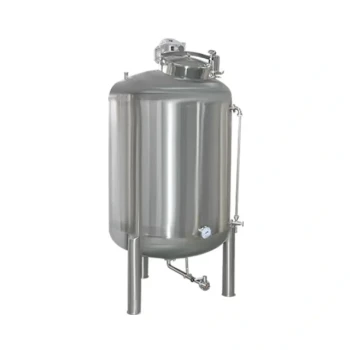
For commercial applications, replacing standard plastic buckets with high-seal stainless steel or containers with specialized internal coatings is recommended. This ensures the chemical stability of the product during processing and storage.
Understanding the Trade-offs
Temperature vs. Container Material
While the container material matters, it cannot fully compensate for poor environmental conditions. Even in high-seal screw-cap plastic containers, optimal preservation of biochemical characteristics requires storage at 4°C in a dark environment to suppress enzymatic browning.
Visibility vs. Light Protection
Transparent plastic containers offer the advantage of visual monitoring, allowing you to track crystallization and color changes without breaking the seal. However, without a dark storage environment, light exposure can degrade physicochemical indicators, making this a trade-off between convenience and stability.
Risks of Metal Alternatives
While stainless steel is recommended, generic tin or metal buckets present their own risks. If these containers lack protective linings, the acidic nature of honey can react with the metal, causing off-flavors and color degradation.
Making the Right Choice for Your Goal
To select the appropriate storage method, you must align the container type with your specific objective:
- If your primary focus is preserving the exact flavor profile: Use high-seal stainless steel or specialized coated containers to prevent oxidation and the escape of volatile compounds like skatole.
- If your primary focus is scientific analysis or origin traceability: Utilize high-sealing screw-cap plastic containers stored at 4°C in the dark to freeze the biochemical and sensory profile in its original state.
- If your primary focus is visual monitoring: Opt for transparent high-seal containers to observe physical stability, but ensure they are stored in a dark room to prevent light-induced degradation.
Ultimately, the vessel must provide a complete barrier against air and moisture to ensure the honey you store is the same honey you serve.
Summary Table:
| Feature | Standard Plastic Buckets | High-Seal Containers (e.g., Stainless Steel) |
|---|---|---|
| Seal Integrity | Low (permeable/non-hermetic) | High (hermetic/airtight) |
| Volatile Retention | Rapid dissipation of aromas | Excellent preservation of flavor profiles |
| Moisture Control | High risk of moisture absorption | Prevents hygroscopic water gain |
| Spoilage Risk | High (potential for fermentation) | Low (stable environment) |
| Recommended Use | Short-term transport | Long-term preservation and commercial storage |
Secure Your Harvest with HONESTBEE Professional Solutions
Preserving the delicate volatile profile of your honey requires more than just a bucket; it requires precision-engineered equipment. At HONESTBEE, we empower commercial apiaries and distributors with the tools needed to maintain product integrity from hive to jar.
Our comprehensive wholesale range includes:
- High-Seal Storage & Processing: Specialized stainless steel hardware and honey-filling machines designed to prevent oxidation.
- Full Equipment Spectrum: From advanced hive-making machinery to essential industry consumables.
- Value-Added Goods: A wide array of honey-themed cultural merchandise to expand your brand reach.
Don't let poor storage compromise your quality. Partner with a supplier that understands the science of beekeeping. Contact HONESTBEE today to optimize your commercial honey production and storage infrastructure!
References
- Bruno Rafael da Silva, Carmen Wobeto. Volatile compounds in off-odor honey. DOI: 10.1590/0103-8478cr20200387
This article is also based on technical information from HonestBee Knowledge Base .
Related Products
- Food Grade Plastic Honey Bucket Pail for Beekeeping
- Premium Stainless Steel Honey Tank Bucket Pail with Reinforced Handle and Polished Finish
- Stainless Steel Honey Storage Tank with Lid for Honey
- Stainless Steel Honey Storage and Settling Tank with Double Strainer
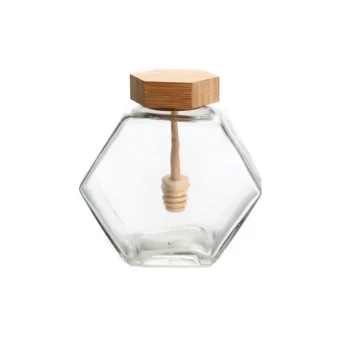
- Hexagonal Glass Honey Jar with Wooden Lid Integrated Dipper Elegant Functional Storage
People Also Ask
- What key operational precautions should be taken when using honey buckets and extractors fitted with bottom drain taps?
- What functions do food-grade honey buckets perform? Safeguard Your Harvest and Optimize Apiary Logistics
- Why are food-grade plastic buckets preferred for honey? Protect Quality with Modern Honey Collection Tools
- What is the significance of food-grade plastic honey collection buckets? Boost Quality in Forest Honey Logistics
- What is a honey pail? The Essential Container for Protecting Your Honey's Value