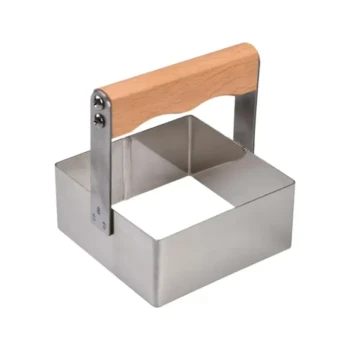
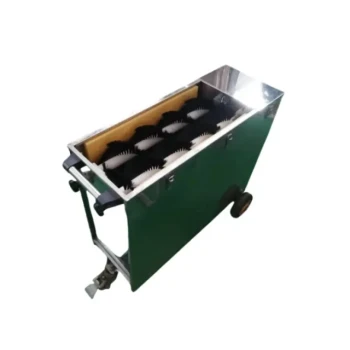
Mechanical separation equipment enhances bee bread purity by systematically exploiting physical variances between the product and contaminants. By targeting the distinct differences in size and density between bee bread granules and beeswax fragments, this equipment filters out unwanted residues. This precise sorting ensures the final product is free from hive debris and ready for consumption.
The harvesting process often leaves bee bread mixed with beeswax and other hive byproducts. Mechanical separation solves this by using graded filtration and air-flow sorting to isolate the granules, ensuring the final product meets strict commercial and medicinal purity standards.
The Mechanics of Purification
To understand how purity is achieved, you must look at the specific physical principles the equipment leverages.
Exploiting Density and Size
The core function of this equipment relies on the fact that bee bread granules differ physically from beeswax fragments. The machinery uses these variations in mass and physical dimension to differentiate the valuable nutrient source from waste material.
Graded Filtration Techniques
Manufacturers frequently employ graded filtration systems to separate materials based on size. These specialized screens allow specific dimensions of bee bread to pass through while trapping larger wax fragments or clumping debris.
Air-Flow Sorting
In addition to physical screens, air-flow sorting targets density differences. By directing a controlled stream of air at the mixture, lighter wax particles are blown away, while the denser bee bread granules settle for collection.
Achieving Commercial Quality
The ultimate goal of mechanical separation is to transform a raw harvest into a standardized product.
Removing Hive Contaminants
The primary target of this process is residual wax and other hive-related impurities. Without this mechanical intervention, the mixture remains contaminated with inedible byproducts that degrade the consumer experience.
Standardizing for Market
For bee bread to be viable for medicinal or high-end commercial use, it must be uniform. Mechanical separation guarantees the consistency required for these high-value applications, removing the variability found in raw hive scrapings.
Understanding the Trade-offs
While mechanical separation is essential for scale, it is important to recognize the inherent limitations of physical sorting methods.
Potential for Granule Damage
Aggressive mechanical sorting can sometimes fracture delicate bee bread granules. If the air-flow is too turbulent or filtration vibration is too intense, it may pulverize the product, reducing its aesthetic appeal and market value.
Limitations on Microscopic Purity
Mechanical separation excels at removing solid debris like wax, but it is strictly a physical process. It does not remove chemical contaminants or microscopic residues, which would require different purification methodologies.
Ensuring High-Quality Production
Selecting the right separation settings is critical to balancing yield with purity.
- If your primary focus is medicinal grade quality: Prioritize equipment with precise air-flow controls to ensure the removal of even the finest wax particulates, even at the cost of processing speed.
- If your primary focus is bulk commercial processing: Focus on high-throughput graded filtration systems that can handle large volumes of raw material efficiently while maintaining acceptable purity levels.
By effectively isolating the bee bread from hive debris, mechanical separation transforms a raw harvest into a valuable, market-ready commodity.
Summary Table:
| Purification Method | Mechanism of Action | Target Impurity | Key Benefit |
|---|---|---|---|
| Graded Filtration | Size-based screening | Large wax fragments & debris | Standardized granule size |
| Air-Flow Sorting | Density-based separation | Lighter wax particles & dust | High purity without damage |
| Physical Sorting | Mass differentiation | Hive byproducts | Consistent commercial quality |
Elevate Your Bee Bread Quality with HONESTBEE
For commercial apiaries and distributors, purity is the benchmark of value. HONESTBEE specializes in professional-grade beekeeping machinery and tools designed to streamline your processing. From advanced honey-filling machines to specialized separation hardware, our comprehensive wholesale offering ensures your operations meet the highest industry standards.
Ready to scale your production? Contact us today to discover how our specialized equipment and industry consumables can optimize your harvest and grow your business!
References
- Oksana Vradii. INTENSITY OF ACCUMULATION OF HEAVY METALS IN THE POLLEN PRODUCED FROM THE FLOWER POLLEN OF THE FOREST PARK NECTAROPOLINES IN THE CONDITIONS OF THE FOREST STEPPE OF THE RIGHT BANK. DOI: 10.46913/beekeepingjournal.2023.11.02
This article is also based on technical information from HonestBee Knowledge Base .
Related Products
- High-Efficiency Pneumatic Bee Hive Making Machine for Rapid Box Assembly
- Professional Bee Frame Machine for Side Bar Shaping
- HONESTBEE Top Bar & Bottom Bar Forming Machine | Bee Frame Machine
- Semi-Auto Bee Frame Assembly and Stapling Machine for Bee Frame
- Stainless Steel 3 Frame Manual Honey Extractor Spinner for Bee Honey Extraction
People Also Ask
- How does the introduction of professional beehive-making machinery benefit sustainable beekeeping? Scale Your Apiary
- Why is specialized beehive-making machinery critical for low-defense breeding? Enhance Selection with Precision Tools
- How does the introduction of specialized beehive making machinery contribute to increasing the scale of regional beekeeping industries?
- What is the importance of specialized beehive making machinery in a circular bio-economy? Build Local Sustainability
- Why is specialized beehive-making machinery essential? Scale Your Apiary with Precision Industrial Standards