Professional beehive design is the critical infrastructure required for the large-scale conservation of native stingless bees. By replicating the precise microclimate and structural security of natural tree hollows, these engineered units shield vulnerable colonies from predators and extreme weather while facilitating scientific management. This precision-led approach ensures that stingless bee populations can thrive in both managed meliponaries and urban environments where natural nesting sites are scarce.
Professional beehive design transitions conservation from a trial-and-error hobby to a scalable, scientific discipline. By standardizing internal volumes and microclimate controls, these systems provide the stable biological foundation necessary for colony health, efficient resource harvesting, and environmental monitoring.
Engineering Habitats: Simulating Natural Ecosystems
Precision Microclimate Control
Professional hives are engineered to simulate the insulative properties of natural tree hollows. High-precision manufacturing equipment allows for specific wall thicknesses that maintain internal temperature and humidity, which is vital for the survival of sensitive species like Melipona beecheii.
Advanced Spatial Architecture
Stingless bees require distinct internal zones for brood rearing and resource storage. Specialized hive designs use high-precision machinery to ensure optimal internal structural ratios and sealing, which prevents the mixing of honey, pollen, and geopropolis while deterring opportunistic predators.
Defensive Structural Integrity
In modern landscapes lacking mature timber, these artificial nesting units serve as essential hardware for colony defense. The professional design incorporates specialized entrance tubes and secure seals that allow bees to execute their natural social defense mechanisms more effectively than in makeshift containers.
Operational Efficiency and Conservation Scalability
Non-Invasive Monitoring Technology
Modern professional hives often feature layered structures and transparent observation windows. This hardware allows for the inspection of queen health and resource levels without disrupting the internal microclimate, preventing the stress and larval damage associated with traditional, invasive hive checks.
Facilitating Rapid Colony Expansion
For large-scale conservation projects, the ability to split colonies efficiently is paramount. Professional artificial hives are designed to simplify the breeding process for species such as Heterotrigona itama, allowing distributors to provide tools that significantly increase the productivity and scale of meliponaries.
Integration of Urban Pollination Services
Specialized hive units act as portable biological hubs that can be deployed in urban backyards. These units provide the necessary temperature-controlled protected space for native bees to survive in developed areas, directly supplementing local pollination services and supporting ecological cycles.
Understanding the Trade-offs
Species-Specific Dimensional Requirements
A primary pitfall in the trade is the "one-size-fits-all" approach; different stingless bee species, such as Melipona schencki versus Geniotrigona thoracica, require vastly different internal volumes. Using a standardized box that does not match the biological habits of the specific species can lead to colony failure or poor resource yields.
Material Selection vs. Durability
While natural wood is preferred for its breathable properties, it requires precise seasoning and treatment to prevent warping. Low-quality professional hives may sacrifice material integrity for cost, leading to gaps in the hive seal that expose the colony to phorid flies and other devastating pests.
Making the Right Choice for Your Goal
As a distributor or wholesaler, selecting the right professional hardware depends entirely on the end-user's primary conservation or production objective.
- If your primary focus is conservation research and monitoring: Prioritize hives with non-invasive observation windows and layered modular designs that allow for data collection without thermal disruption.
- If your primary focus is commercial honey or geopropolis production: Select hives with dedicated spatial separation for storage pots, which allows for clean harvesting without damaging the core brood structure.
- If your primary focus is urban pollination and backyard beekeeping: Focus on high-insulation, aesthetically integrated units that prioritize colony defense and ease of maintenance for non-professional users.
By providing precision-engineered beehive solutions, you empower your clients to transform local meliponaries into robust engines for biodiversity and sustainable production.
Summary Table:
| Key Design Feature | Functional Role | Conservation & Business Benefit |
|---|---|---|
| Microclimate Control | Regulates temp & humidity | Enhances survival rates for sensitive species like Melipona |
| Spatial Architecture | Separates brood and storage | Prevents contamination and allows clean resource harvesting |
| Non-Invasive Windows | Enables visual inspection | Reduces colony stress and larval damage during monitoring |
| Modular Structure | Simplifies colony splitting | Facilitates rapid population expansion and scalable production |
| Defensive Entry | Structural security seals | Protects against phorid flies and opportunistic predators |
Scale Your Beekeeping Wholesale Business with HONESTBEE
As a distributor or B2B reseller, providing high-precision hardware is essential for the success of modern meliponaries. HONESTBEE is your premier partner for one-stop sourcing of professional beekeeping solutions. We cater to commercial apiaries and distributors with a comprehensive wholesale offering designed for reliability and profit.
Why Partner with HONESTBEE?
- Full-Spectrum Portfolio: From specialized hive-making and honey-filling machinery to essential industry consumables and cultural merchandise.
- Professional Expertise: Deep industry knowledge ensuring all hardware meets species-specific biological requirements.
- Rapid Fulfillment: Ultra-fast delivery and efficient order processing to keep your supply chain moving.
- Premium Trading Services: Dedicated customer support and OEM/ODM capabilities to differentiate your brand in the market.
Ready to elevate your inventory with industry-leading beekeeping technology?
References
- Eleuza Rodrigues Machado, Christian Lucas Américo da Silva. Survey and distribution of native stingless bee nests (Hymenoptera: Apidae, Meliponini) in a remnant area of Cerrado, Minas Gerais, Brazil. DOI: 10.22533/at.ed.8133102307113
This article is also based on technical information from HonestBee Knowledge Base .
Related Products
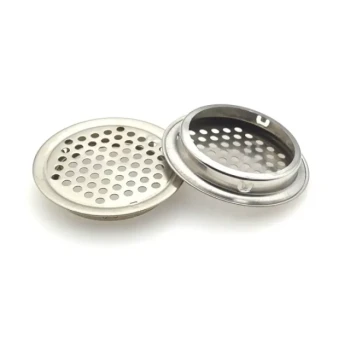
- Stainless Steel Round Beehive Air Vents for Ventilation
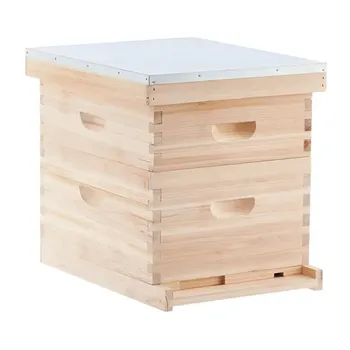
- Wholesales Dadant Size Wooden Bee Hives for Beekeeping
- Metal Hive Feet Bee Hive Stand for Ant Protection
- Metal Bee Hive Stand Bee Box Stand for Beekeeping
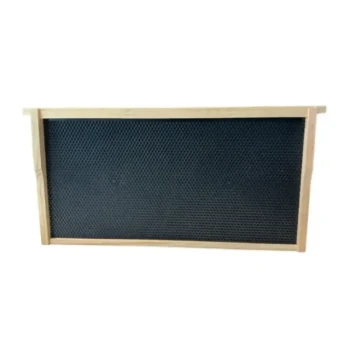
- Wooden Bee Hive Frames for Beekeeping and Wholesale
People Also Ask
- How does ventilation affect colony health, and how should it be managed seasonally? A Guide to Preventing Moisture & Overheating
- Why is proper ventilation important in a beehive? Prevent Mold, Regulate Temperature, and Boost Colony Health
- How can a beekeeper provide proper ventilation for a beehive throughout the year? Seasonal Strategies for Bee Health
- Why is good ventilation crucial when transporting beehives? Protect Your Colony from Lethal Overheating
- How can ventilation be added to a beehive without using an inner cover? Simple, Effective Solutions for Healthy Hives