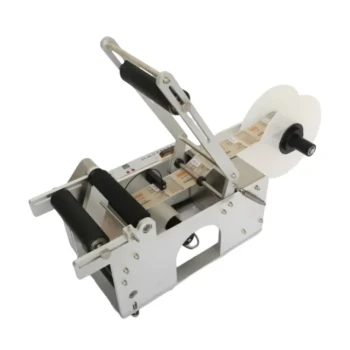
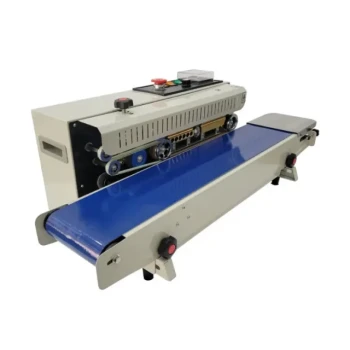
Professional labeling equipment is the essential catalyst for transforming honey from a bulk commodity into a high-margin retail brand. By ensuring the precise application of data—including geographical origin, floral variety, and traceability codes—these systems build the visual professionalism required to capture consumer trust. This technological shift allows producers to exit low-price bulk cycles and enter premium retail markets with standardized, compliant, and aesthetically superior packaging.
The core value of professional labeling lies in its ability to bridge the gap between raw production and retail readiness. By automating the delivery of critical product information and brand aesthetics, these systems enable businesses to justify premium pricing and secure a competitive advantage in the global marketplace.
Accelerating the Transition from Bulk to Retail
Standardizing Visual Identity
Automated labeling equipment ensures that every jar or bottle leaving the facility maintains a uniform, professional appearance. This consistency is vital for building brand recognition among retail consumers who equate visual precision with product quality.
Justifying Premium Pricing
High-precision labels allow producers to clearly highlight geographical indications and premium nectar sources, such as Acacia or Manuka. By presenting this information clearly, brands can command significantly higher price points than unbranded bulk alternatives.
Professional Market Entry
For wholesalers looking to expand, professional labeling is the "ticket to entry" for high-end retail chains. Most major distributors require standardized barcodes, nutritional panels, and production dates that only automated systems can apply with 100% accuracy.
Enhancing Supply Chain Value and Trust
Traceability and Regulatory Compliance
Modern labeling systems integrate traceability codes and origin certifications directly onto the packaging. This transparency addresses the growing consumer demand for food safety and ensures compliance with international export regulations and food safety standards.
Anti-Counterfeiting and IP Protection
Labels serve as the primary physical evidence of intellectual property, protecting against unauthorized imitation. High-quality labeling materials and precise application act as a visible marker of authenticity, safeguarding the brand’s reputation in fragmented markets.
Preserving Product Integrity
Advanced systems often work in tandem with sealing technologies to protect honey from air and contaminants. This prevents abnormal crystallization or fermentation, ensuring the product maintains its premium "forest-to-shelf" image throughout the global supply chain.
Optimizing B2B Efficiency and Fulfillment
Integrated One-Stop Sourcing
For distributors, sourcing labeling equipment as part of a comprehensive product portfolio simplifies the procurement process. A one-stop approach ensures that labeling machines are perfectly calibrated to the specific shapes and sizes of the honey containers provided.
Rapid Response and Order Fulfillment
Automated labeling significantly reduces the time required to move a product from the filling line to the shipping crate. This ultra-fast delivery capability allows wholesalers to respond quickly to market fluctuations and urgent retail orders.
Deep Professional Expertise
Partnering with experts who understand the nuances of honey viscosity and container variety is critical. Professional equipment providers offer the industry expertise needed to select the right labeling materials that won't peel or fade in different storage environments.
Understanding the Trade-offs
Equipment Cost vs. Production Scale
The primary challenge for growing operations is the initial capital investment required for high-speed automated systems. While manual labeling is cheaper upfront, it lacks the scalability and precision necessary for large-scale retail distribution, often leading to higher long-term costs through errors.
Maintenance and Technical Expertise
Automated systems require a commitment to regular maintenance and a base level of technical skill to operate effectively. Businesses must weigh the efficiency gains of automation against the need for staff training and the potential for downtime if the equipment is not serviced correctly.
Material Compatibility
Not all labels work with all container types; for example, certain adhesives may fail on textured glass or specific plastics. Selecting the wrong combination can lead to label flagging or peeling, which immediately undermines the "premium" brand image the equipment is intended to build.
Making the Right Choice for Your Goal
How to Apply This to Your Project
- If your primary focus is entering premium export markets: Invest in high-precision labeling systems that support multi-language compliance and detailed traceability codes to meet international standards.
- If your primary focus is maximizing operational throughput: Prioritize automated labeling lines that integrate seamlessly with your filling equipment to ensure ultra-fast order fulfillment and reduced labor costs.
- If your primary focus is brand differentiation and IP protection: Utilize labeling equipment capable of handling unique container shapes and applying anti-counterfeiting seals to prevent market imitation.
By integrating professional labeling into your production line, you transform a simple food product into a trusted, high-value brand capable of dominating the retail shelf.
Summary Table:
| Key Feature | Benefit for Honey Brands | Impact on Retail Transition |
|---|---|---|
| Automated Precision | Ensures uniform, professional jar appearance | Builds brand trust and recognition |
| Traceability Integration | Displays origin and safety codes clearly | Meets strict export and retail regulations |
| High-Speed Application | Reduces labor costs and increases throughput | Enables rapid fulfillment for large orders |
| Material Compatibility | Prevents label peeling and fading | Maintains a premium image on the shelf |
| IP Protection | Incorporates anti-counterfeiting markers | Safeguards brand reputation in new markets |
Scale Your Honey Business with HONESTBEE’s One-Stop Solutions
Transitioning from bulk sales to a high-margin retail brand requires more than just honey—it requires the right equipment and a reliable partner. HONESTBEE specializes in catering to commercial apiaries, distributors, and B2B resellers with a comprehensive, full-spectrum product portfolio.
From advanced honey-filling and labeling machines to specialized hive-making hardware and premium consumables, we provide everything you need to dominate the retail shelf. By partnering with us, you gain access to:
- Deep Industry Expertise: Tailored advice on equipment and material compatibility.
- Rapid Fulfillment: Ultra-fast delivery to keep your supply chain moving.
- Premium Service: Dedicated support for OEM/ODM requirements and certification needs.
Ready to maximize your profit margins and secure your supply chain?
Contact our expert team today to get a custom wholesale quote!
References
- Niswatin Hasanah, Ery Setiyawan Jullev Atmaji. Agribusiness Supply Chain Management of “Rainbee”: Apis cerana in Forests of Bondowoso, Indonesia. DOI: 10.25047/ijossh.v2i2.6708
This article is also based on technical information from HonestBee Knowledge Base .
Related Products
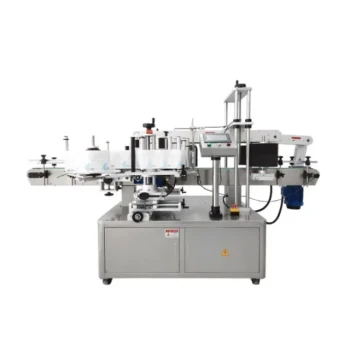
- Automatic Dual Sided In Line Labeling Machine
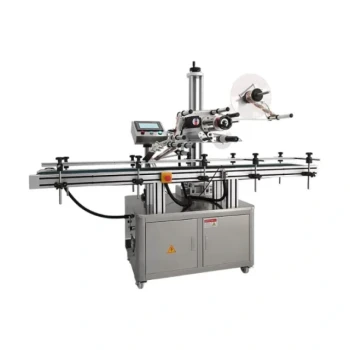
- Automatic In-Line Flat Surface Labeling Machine
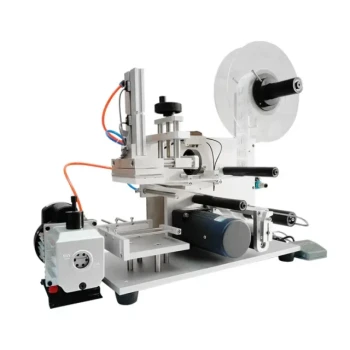
- HONESTBEE Pneumatic Flat Surface Labeling Machine
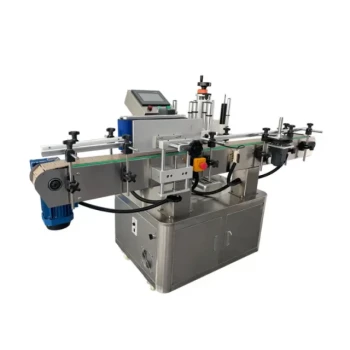
- Automatic In-Line Round Bottle Labeling Machine
- Semi Automatic Round Bottle Labeling Machine
People Also Ask
- What are the key components of an automatic labeling machine? Unlock High-Speed, Precision Labeling
- What are the efficiency benefits of an automatic labeling machine? Boost Speed, Accuracy & Consistency
- How does an automatic labeling machine operate? Achieve High-Speed, Precise Product Labeling
- How does an automatic labeling machine reduce labor costs? Slash Overhead & Boost Productivity
- What information can be included on labels applied by labeling machines? A Guide to Strategic Labeling