Specialized colony transportation and palletized equipment revolutionize pollination efficiency by enabling the rapid, mass movement of honeybee colonies across vast distances to meet immediate agricultural demands. Instead of managing hives individually, palletization allows beekeepers to treat colonies as modular units, shipping thousands of hives simultaneously to commercial orchards and farms exactly when crops enter their brief, critical peak flowering windows.
The Core Takeaway Modern agricultural pollination is a logistics challenge as much as a biological one. By utilizing specialized transport and palletized systems, producers solve the "time and place" problem, delivering high-density pollinator forces that overcome local shortages to maximize crop yield and quality.
The Logistics of Large-Scale Pollination
Overcoming Local Deficits
Large-scale agricultural operations, particularly commercial orchards, often create a demand for pollination that far exceeds the capacity of local wild pollinator populations.
Without intervention, this imbalance leads to poor fruit set and reduced yields. Specialized transport systems bridge this gap by importing managed colonies from other regions, effectively treating pollination as an on-demand resource.
The Power of Palletization
The primary driver of efficiency here is palletization.
By securing multiple hives onto a single pallet, operators drastically reduce the time required for loading and unloading. This capability allows for the cross-regional movement of thousands of colonies in a short timeframe, ensuring that industrial-scale needs are met without logistical bottlenecks.
Precision Agriculture and Timing
Targeting Peak Flowering
Timing is the single most critical factor in pollination efficiency.
Mobile beekeeping equipment allows for the precise deployment of colonies at the exact moment a crop enters its peak flowering period. This synchronization ensures that the maximum number of pollinators are active when the crop is most receptive, significantly improving fertilization rates.
Controlling Pollination Density
Beyond simple timing, specialized management equipment allows for the precise control of colony density.
Beekeepers can strategically place specific numbers of hives to match the requirements of crops like coffee, beans, or corn. This controlled environment prevents under-pollination and optimizes the genetic diversity and seed set rates of the crop.
Measurable Impacts on Crop Output
Enhancing Quality and Consistency
The deployment of mobile pollination units transforms beekeeping from product manufacturing (honey) to a high-value agricultural service.
This service directly improves crop metrics, including increased oil content in seeds and better sugar content, weight, and appearance uniformity in fruit.
Accelerating Maturation Cycles
Efficient pollination does more than increase volume; it can alter the growing cycle.
The use of professional management equipment has been shown to shorten the maturation cycle of certain crops. This efficiency facilitates a faster transition from planting to harvest, improving the overall cost-effectiveness of large-scale farming.
Reducing Chemical Dependence
Adopting these systems supports a shift toward ecosystem-service-based agriculture.
By relying on the biological efficiency of managed pollinators, farms can reduce their dependence on chemical inputs often used to artificially stimulate growth or protect under-pollinated crops.
Understanding the Trade-offs
Managing Biological Stress
While efficient for logistics, rapid cross-regional movement places significant stress on the bee colonies.
Migratory stress can weaken hives, making them more susceptible to illness. Successful implementation requires rigorous health monitoring to ensure the "machinery" of pollination—the bees themselves—remain viable.
Biosecurity Risks
The ease of moving thousands of colonies introduces the risk of spreading pests and diseases across regions.
Operators must balance logistical speed with strict biosecurity protocols. Moving equipment without proper inspection can inadvertently transport pathogens that threaten both the managed colonies and local wild pollinator populations.
Making the Right Choice for Your Goal
To maximize the benefits of specialized pollination equipment, align your strategy with your specific agricultural objectives:
- If your primary focus is maximizing yield volume: Prioritize palletized transport systems to ensure you can deploy the maximum density of bees during the absolute peak of the flowering window.
- If your primary focus is crop quality (sugar/weight): Focus on precision management equipment that allows you to control the exact placement and density of colonies to ensure uniform pollination.
- If your primary focus is sustainability: Leverage mobile units to replace chemical inputs, using the shortened maturation cycles to transition toward ecosystem-service-based farming.
By treating pollination as a precise, mobile utility rather than a static variable, you gain control over the biological foundations of your agricultural output.
Summary Table:
| Feature | Impact on Efficiency | Key Agricultural Benefit |
|---|---|---|
| Palletized Systems | Enables rapid, mass movement of thousands of hives. | Solves local pollinator deficits & reduces labor costs. |
| Precision Timing | Synchronizes bee deployment with peak flowering. | Maximizes fertilization rates and fruit set. |
| Density Control | Strategic placement of specific colony counts. | Improves crop uniformity, weight, and sugar content. |
| Mobile Logistics | Faster transition from planting to harvest. | Shortens maturation cycles and reduces chemical dependency. |
Scale Your Pollination Operation with HONESTBEE
Are you looking to revolutionize your commercial apiary or expand your distribution of high-performance beekeeping gear? HONESTBEE is your strategic partner in agricultural efficiency.
We provide a comprehensive wholesale portfolio designed for industrial-scale success, including:
- Specialized Hardware: Advanced hive-making and honey-filling machinery.
- Commercial Equipment: Heavy-duty tools and pallet-ready systems for large-scale transport.
- Essential Consumables: A full spectrum of supplies to maintain colony health during migratory stress.
From specialized beekeeping machinery to honey-themed cultural merchandise, we deliver the tools you need to maximize pollination density and crop quality.
Contact HONESTBEE Today to Secure Your Wholesale Supply
References
- Peter G. Kevan, Randolf Menzel. The plight of pollination and the interface of neurobiology, ecology and food security. DOI: 10.1007/s10669-012-9394-5
This article is also based on technical information from HonestBee Knowledge Base .
Related Products
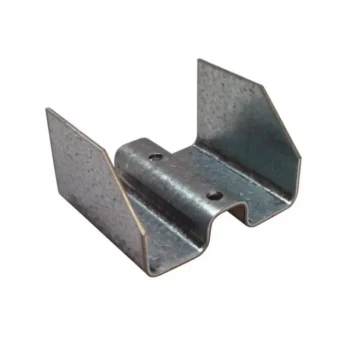
- Heavy-Duty Galvanized Steel W-Style Pallet Clip
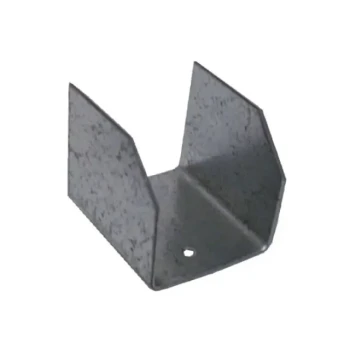
- Versatile U-Style Steel Pallet Clip
- Yellow Plastic Bucket Pail Perch for Beekeeping
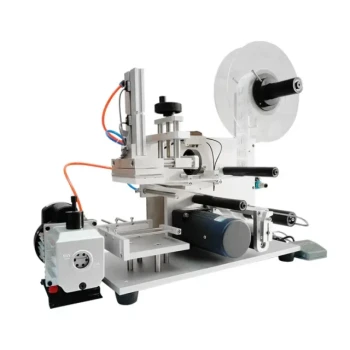
- High-Efficiency Pneumatic Bee Hive Making Machine for Rapid Box Assembly
- Heavy-Duty Ergonomic Grip Galvanized Pollen Shovel
People Also Ask
- How do migratory beekeepers transport their hives? A Guide to Nocturnal, Large-Scale Bee Movement
- How is the metal clip of a beehive connector attached? Simple Fastening Guide for Secure Hives
- How does a four-colony pallet function within migratory beekeeping? Scale Your Apiary with Industrial Logistics
- How do industrial four-way migratory pallets improve efficiency? Mechanized Apiary Management and Logistics
- How is the metal clip attached to the attachment? A Guide to Secure Mechanical Fastening