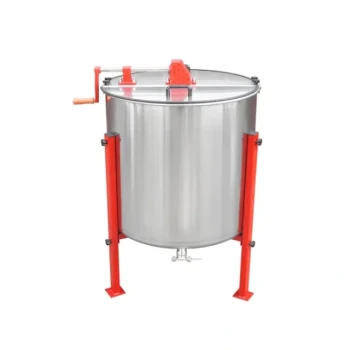
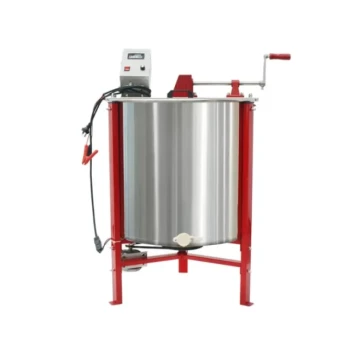
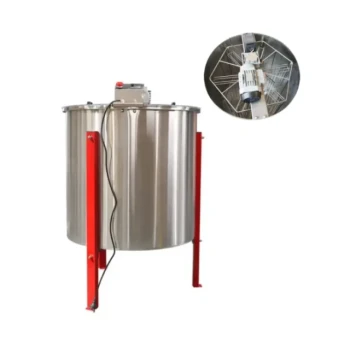
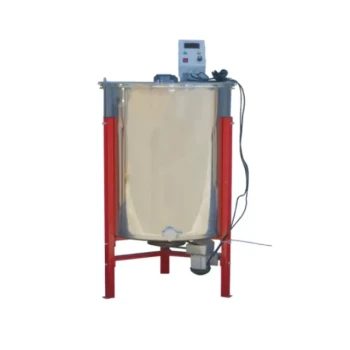
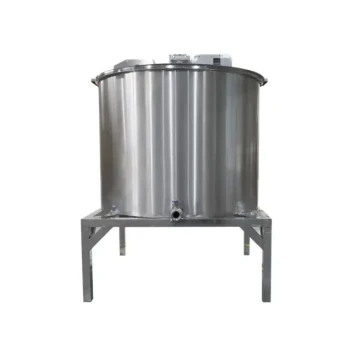
Specialized honey harvesting machinery ensures efficiency by mechanically bridging the gap between high-volume extraction and the delicate preservation of biological integrity. In dense forest environments yielding up to 1000 kg/ha, these systems maximize physical output while strictly controlling processing conditions to retain the specific flavor profiles and enzymatic activity that define premium acacia and linden honey.
Core Takeaway Industrial-grade harvesting machinery transforms the potential of high-yield forests into realized profit by reducing extraction losses and preventing contamination. Its primary value lies not just in speed, but in the ability to process massive volumes without degrading the bioactive quality or unique taste of the natural resource.
Maximizing Yield in High-Density Environments
Handling Intense Production Loads
Forest environments rich in acacia and linden are high-yield zones, often producing between 600 to 1000 kg per hectare.
Manual or low-capacity equipment creates a bottleneck in these scenarios, leading to unharvested resources or delayed processing. Specialized machinery is engineered to handle this throughput, ensuring the extraction rate matches the high production rate of the colony.
Reducing Process Losses
A critical function of specialized machinery is minimizing waste during the extraction phase.
Traditional methods often leave significant residues behind or result in spillage. Advanced extraction units are designed to capture the maximum amount of mature honey from the comb, directly transforming natural forest resources into high-value trade products with minimal physical loss.
Optimizing Harvest Timing
Efficiency also stems from integrating harvesting machinery with hive management tools.
By allowing beekeepers to accurately monitor maturity, these systems ensure that extraction occurs at the precise moment of peak quality. This scientific management results in yield growth rates that significantly outpace the growth of the colony count itself.
Preserving Quality and Purity
Protecting Bioactive Components
Efficiency in honey processing is worthless if the product is degraded.
Forest honey is prized for its unique enzymes and specific flavors. Specialized machinery employs precise physical controls to extract honey without subjecting it to excessive heat or agitation, which preserves the bioactive components and enzymatic activities characteristic of forest varieties.
Ensuring Monofloral Integrity
For varieties like acacia and linden, market value depends on purity.
Advanced machinery and targeted collection techniques allow producers to isolate different botanical sources efficiently. By clearing supers precisely according to flowering periods, machinery enables the production of high-purity monofloral honey, meeting strict consumer requirements for specific flavor profiles.
Hygiene and Safety Standards
Eliminating Secondary Contamination
Processing is a critical vulnerability point for introducing pollutants.
Professional, food-grade extraction machinery utilizes standardized operating procedures to prevent the introduction of heavy metals or chemical residues. This mechanized isolation creates a closed loop, ensuring the safety of the final product in the commercial supply chain.
Precision in Packaging
The efficiency of the machinery extends to the final packaging phase.
Automated honey-filling machines provide high measurement precision and strict hygiene control for honeys of varying viscosities. This industrial-grade equipment eliminates the risks associated with manual filling, ensuring accurate dosages and consistent compliance with international organic certification standards.
Understanding the Trade-offs
Capital Investment vs. Volume
While specialized machinery increases efficiency, it requires significant upfront capital.
For smaller operations with yields below the 600 kg/ha threshold, the cost of industrial-grade extraction and filling lines may not offer an immediate return on investment. These systems are optimized for scale.
Operational Rigor
High-tech machinery demands strict adherence to standardized procedures.
Unlike manual methods, automated systems require operators skilled in maintaining hygiene protocols and machine calibration. A failure in the "standardized operating procedures" mentioned in the references can lead to large-scale inconsistencies rather than just isolated batch errors.
Making the Right Choice for Your Goal
- If your primary focus is Volume Maximization: Invest in high-capacity extraction units capable of clearing 600+ kg/ha to prevent bottlenecks during peak acacia or linden flows.
- If your primary focus is Product Purity: Prioritize machinery with targeted collection capabilities to isolate flowering periods and ensure monofloral status.
- If your primary focus is Export Compliance: rigorous automated filling and food-grade extraction systems are non-negotiable to meet international hygiene and documentation standards.
True efficiency is achieved when your machinery capacity aligns perfectly with the biological output of your forest environment.
Summary Table:
| Feature | Specialized Machinery Benefit | Forest Honey Impact |
|---|---|---|
| Throughput | Handles 600-1000 kg/ha loads | Eliminates extraction bottlenecks |
| Quality Control | Low-heat physical extraction | Preserves enzymes and bioactive profiles |
| Purity | Targeted collection cycles | Ensures high-value monofloral integrity |
| Packaging | Automated precision filling | Guarantees hygiene and export compliance |
Scale Your Apiary with HONESTBEE Precision
Are you ready to transform your high-yield forest resources into market-ready profits? HONESTBEE empowers commercial apiaries and distributors with professional-grade solutions designed for scale.
From high-capacity honey-filling machines to advanced hive-making hardware and essential industry consumables, our comprehensive wholesale offering ensures your operation maintains biological integrity while maximizing output. Whether you are expanding your commercial fleet or sourcing tools for a distribution network, we provide the specialized equipment needed to meet international standards.
Maximize your yield today. Contact HONESTBEE to discover how our tailored equipment solutions can streamline your honey production.
References
- Serhii Razanov, Mykola Kutsenko. FOREST NECTAR-POLLINIFEROUS PLANTATIONS OF THE EASTERN PODILLIA. DOI: 10.37128/2707-5826-2023-1-12
This article is also based on technical information from HonestBee Knowledge Base .
Related Products
- All-Stainless Steel Pivoting Honey Uncapping Fork for Beekeeping
- Stainless Steel Manual 8 Frame Radial Honey Extractor Machine for Beehives
- 6 Frame Manual Stainless Steel Honey Extractor Beekeeping Equipment
- HONESTBEE 6 Frame Three Use Electric Honey Extractor for Beekeeping
- HONESTBEE 2 Frame Manual Acrylic Honey Extractor Beekeeping Equipment
People Also Ask
- How does a honey uncapping fork supplement the use of an uncapping knife? Boost Your Honey Yield and Extraction Efficiency
- What is the design purpose of honey uncapping forks and honey uncapping tanks? Maximize Your Harvest Efficiency
- What are the essential tools for uncapping honey frames? Choose the Right Tool for Your Apiary
- What are the tools used for uncapping honeycombs? Expert Guide to Tools & Functions for Maximum Yield
- What tools are used for honey uncapping? Choose the Right Knife for Your Harvest