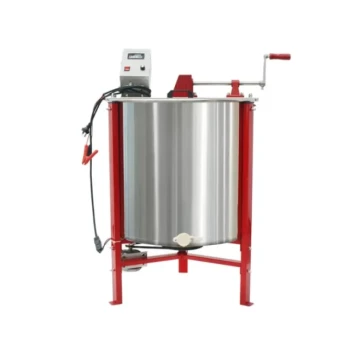
Specialized extraction equipment fundamentally transforms stingless bee honey quality by replacing destructive manual squeezing with precise, hygienic separation techniques. Unlike manual methods that indiscriminately crush pollen and brood into the honey, specialized devices—often utilizing negative pressure or precise mechanical separation—isolate the honey pots to significantly lower impurity levels, maximize clarity, and prevent the rapid fermentation inherent to this high-moisture product.
The core difference lies in structural preservation: manual squeezing destroys the hive's delicate internal architecture, mixing contaminants with the honey, whereas specialized equipment surgically extracts the liquid to ensure commercial-grade purity and stability.
Preserving Purity at the Source
Eliminating Cross-Contamination
Stingless bees store honey in irregular cerumen pots rather than standard honeycombs. Manual squeezing crushes these pots, often rupturing adjacent pollen pots or the brood nest (larval chambers).
Specialized equipment is designed to precisely open sealed honey pots. This allows for the extraction of honey without disturbing the surrounding pollen or brood, drastically reducing the presence of larval fragments and pollen in the final product.
Reducing Secondary Contamination
Manual harvesting typically involves significant handling, increasing the risk of introducing external bacteria or debris.
Modern extraction machinery utilizes closed-loop systems, such as negative pressure suction. This minimizes the honey's exposure to the environment and human contact, preventing the introduction of pathogens that could compromise safety.
Managing Moisture and Stability
Mitigating Fermentation Risks
Stingless bee honey has a naturally high moisture content, making it highly susceptible to fermentation.
When honey is manually squeezed, the introduction of impurities (wax, pollen, protein) accelerates this fermentation process. By producing a cleaner extract with fewer suspended solids, specialized equipment provides better control over the product's stability, ensuring it meets strict physical and chemical standards for commercial sale.
Enhancing Visual Clarity
Manual squeezing leaves a cloudy mixture of honey and crushed cerumen (wax).
Specialized processing equipment often integrates filtration devices and settling tanks. These physical clarification processes effectively remove wax debris and fine particles, resulting in a product with higher transparency and purity—key factors in grading and pricing.
Operational Efficiency and Hive Health
Protecting the Nest Structure
Manual squeezing effectively destroys the storage pots, forcing bees to rebuild from scratch.
Specialized devices, particularly suction-based units, preserve the structural integrity of the empty cerumen pots. This allows the colony to reuse the structure, saving the energy otherwise required for reconstruction and shortening the interval between honey production cycles.
Understanding the Trade-offs
Specificity of Machinery
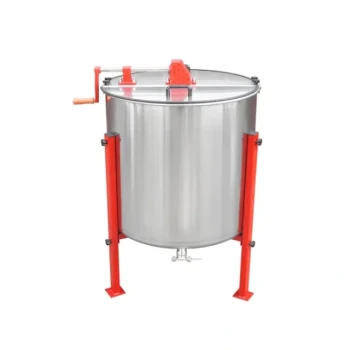
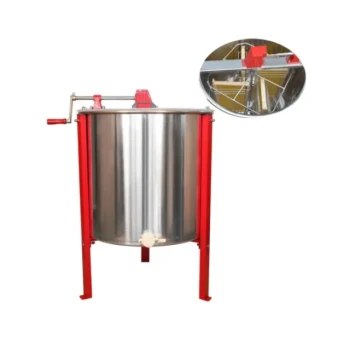
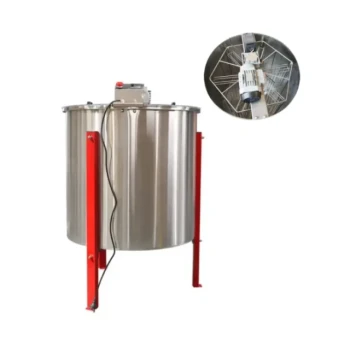
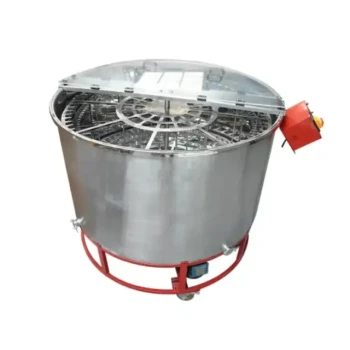
It is critical to note that standard centrifugal extractors designed for European honey bees (which use uniform hexagonal combs) are often unsuitable for the irregular pot structure of stingless bees without modification.
Using the wrong type of mechanical extractor can damage the delicate cerumen pots just as much as manual squeezing. Operators must ensure their equipment is specifically engineered for pot-based storage systems (often suction or soft-press based) rather than comb-based systems.
Making the Right Choice for Your Goal
To determine if upgrading to specialized equipment is the right move for your operation, consider your end-market goals:
- If your primary focus is Commercial Export: You must use specialized extraction and filtration equipment to achieve the low impurity levels and stability required for international food safety standards.
- If your primary focus is Colony Health: Use suction-based equipment to preserve the cerumen pots, reducing the metabolic stress on bees and allowing for faster colony recovery.
- If your primary focus is High-Value Retail: Invest in filtration technology to ensure high clarity and transparency, as consumer trust and pricing are directly linked to the visible purity of the product.
Investing in specialized equipment is not just about efficiency; it is the only reliable way to elevate stingless bee honey from a volatile raw ingredient to a stable, premium commercial product.
Summary Table:
| Feature | Traditional Manual Squeezing | Specialized Extraction Equipment |
|---|---|---|
| Purity Level | High impurities (pollen, brood, wax) | High clarity; surgically isolates honey pots |
| Hygienic Control | Open air; high risk of contamination | Closed-loop suction; minimal environmental exposure |
| Hive Integrity | Destroys cerumen pots and nest structure | Preserves pots for faster colony recovery |
| Product Stability | High fermentation risk due to impurities | Superior stability and extended shelf life |
| Market Value | Variable quality; mostly local use | Premium/Export grade; high visual clarity |
Elevate Your Stingless Bee Honey Production with HONESTBEE
Transitioning from manual methods to professional machinery is the key to unlocking premium markets. At HONESTBEE, we specialize in empowering commercial apiaries and distributors with the tools needed for success.
Our comprehensive wholesale range includes:
- Advanced Extraction Technology: Suction and soft-press systems specifically engineered for delicate stingless bee cerumen pots.
- Precision Machinery: Hive-making, honey-filling, and specialized filtration equipment.
- Essential Consumables: A full spectrum of beekeeping tools and honey-themed cultural merchandise.
Whether you are scaling your operation or upgrading your product line for export, HONESTBEE provides the hardware and expertise to maximize your yield and quality.
Ready to transform your apiary? Contact us today to discuss your wholesale equipment needs!
References
- Marilda Cortopassi-Laurino, Paulo Nogueira‐Neto. Global meliponiculture: challenges and opportunities. DOI: 10.1051/apido:2006027
This article is also based on technical information from HonestBee Knowledge Base .
Related Products
- Stainless Steel 3 Frame Manual Honey Extractor Spinner for Bee Honey Extraction
- Stainless Steel Manual 8 Frame Radial Honey Extractor Machine for Beehives
- 6 Frame Manual Stainless Steel Honey Extractor Beekeeping Equipment
- HONESTBEE 4 Frame Manual Self Reversing Honey Extractor for Beekeeping
- 2 Frame Stainless Steel Manual Honey Spinner Extractor for Beekeeping
People Also Ask
- Which type of honey extractor is generally more durable? Focus on Material & Build Quality for Longevity
- What are the disadvantages of a manual honey extractor? Overcome Efficiency Bottlenecks in Your Apiary
- What is a manual honey extractor? The Essential Guide to Cost-Effective Beekeeping for Beginners
- Why are manual extractors popular among beginner beekeepers? A Guide to Starting Simple & Saving Money
- What are the primary advantages of utilizing a manual honey extractor? Cost-Effective & Gentle Harvesting