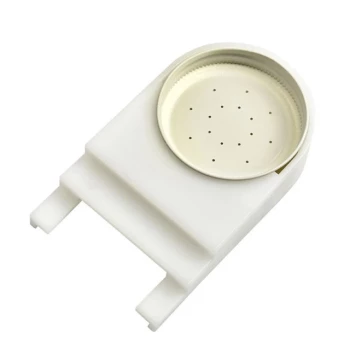
Supplemental feeding with sugar syrup functions as a powerful biological trigger for weak bee colonies identified through monitoring. By mimicking an energy-rich nectar flow, this intervention stimulates worker bees to actively forage for pollen and signals the queen to initiate or increase egg-laying. This artificial abundance accelerates the colony's development, transforming a struggling hive with insufficient reserves into a robust population capable of survival and productivity.
By simulating natural resource abundance, sugar syrup triggers a biological chain reaction that revitalizes weak colonies. It shifts the hive from survival mode to growth mode, driving brood rearing and foraging activity to ensure the colony is strong enough for future pollination events.
The Mechanism of Recovery
Simulating Natural Abundance
Weak colonies often stall because they perceive a lack of resources in the environment.
Supplemental sugar syrup acts as an artificial nectar flow. This deceives the colony into behaving as though natural forage is abundant, prompting them to switch from resource conservation to active expansion.
Activating the Queen
The primary driver of colony recovery is population growth.
When the hive senses an influx of carbohydrate-rich syrup, the queen bee is encouraged to start or increase her egg-laying activity. This brood rearing is the foundational step in rebuilding the colony's population numbers.
From Energy to Action
Stimulating Foraging Behavior
The syrup does more than just feed the bees inside the hive; it changes their behavior outside the hive.
The energy provided by the syrup stimulates worker bees to leave the hive and forage for pollen. Pollen is essential for feeding the developing brood that the queen is now producing.
Breaking the Weakness Cycle
Weak colonies often lack the energy reserves required to gather the very food they need to recover.
By providing easily accessible energy, you jumpstart their systems. The syrup provides the fuel for flight, while the resulting pollen collection provides the protein necessary for brood development.
Strategic Timing and Stability
Preventing Starvation and Absconding
Monitoring data may identify colonies at risk during droughts or seasonal gaps in floral sources.
Feeding syrup during these periods acts as a lifeline, maintaining the colony's health and vitality. It prevents colony loss due to starvation or absconding, where bees abandon the hive due to a lack of resources.
Preparing for Target Crops
Recovery is often aimed at specific production goals, such as almond pollination.
Intervening with syrup ensures that the colony reaches its maximum foraging workforce right when it is needed. This synchronization maximizes pollination effectiveness by ensuring the hive peaks exactly when the target crop flowers.
Understanding the Trade-offs
The Need for Balance
While sugar syrup provides energy (carbohydrates), it does not provide protein.
A colony cannot grow on syrup alone; they require protein for brood rearing. If natural pollen is scarce, you may need to pair syrup feeding with protein supplements (such as pea flour) to ensure the colony has the building blocks for growth.
Dependency Risks
Supplemental feeding is a "remedial measure," not a permanent solution.
Reliance on feeding should be driven by monitoring data. Over-feeding when natural resources are adequate can lead to inefficiencies or storage issues within the hive.
Making the Right Choice for Your Goal
To apply this effectively, tailor your feeding strategy to your specific objective:
- If your primary focus is Immediate Survival: Provide syrup immediately when data shows insufficient reserves or drought conditions to prevent starvation and colony collapse.
- If your primary focus is Pollination Productivity: Initiate feeding well before the target bloom to drive rapid population growth, ensuring a peak workforce arrives exactly when the crop flowers.
Strategic intervention turns data into action, ensuring your apiary remains viable regardless of environmental fluctuations.
Summary Table:
| Recovery Phase | Mechanism of Action | Desired Outcome |
|---|---|---|
| Resource Intake | Simulates natural nectar flow | Shifts hive from survival to growth mode |
| Queen Activation | Increased carbohydrate levels | Stimulates egg-laying & brood expansion |
| Foraging Boost | Provides immediate energy fuel | Encourages worker bees to forage for pollen |
| Population Growth | Balanced nutrition (with protein) | Reaches peak workforce for pollination |
Maximize Your Colony Potential with HONESTBEE
Turning monitoring data into a thriving workforce requires the right equipment and strategic support. HONESTBEE empowers commercial apiaries and distributors with high-performance tools and machinery designed for growth. From specialized honey-filling machines to durable hive-making hardware, we provide the full spectrum of beekeeping technology and essential industry consumables.
Whether you are scaling your commercial operations or supplying the next generation of beekeepers, our wholesale solutions ensure your hives reach peak productivity for every pollination season.
Ready to upgrade your apiary efficiency? Contact HONESTBEE Today to explore our comprehensive portfolio and bulk offering.
References
- K Venkateswaran, L Niranjan. IoT-Based Beehive Monitoring System for Real-Time Monitoring of Apis cerana indica Colonies. DOI: 10.13102/sociobiology.v70i4.9352
This article is also based on technical information from HonestBee Knowledge Base .
Related Products
- HONESTBEE Round Hive Top Bee Feeder for Syrup
- In-Hive Dual Compartment Frame Bee Feeder for Targeted Colony Nutrition
- HONESTBEE Entrance Bee Feeder Efficient Hive Front Liquid Feeding Solution for Beekeeping
- White Plastic 0.5L Beekeeping Entrance Feeder for Bees
- HONESTBEE Professional Hive Top Bee Feeder Feeding Solution
People Also Ask
- What can the round hive top feeder be used for? A Guide to Efficient, Safe Bee Feeding
- What types of hive boxes is the round hive top feeder compatible with? Universal Fit for 8 & 10-Frame Langstroth Hives
- What is the capacity of the round hive top feeder for syrup and pollen? A Guide to Targeted Apiary Support
- What types of feed can be used with the round hive top feeder? Versatile Feeding for Optimal Apiary Health
- How do you use a top feeder for bees? Expert Guide to Installation and High-Volume Hive Feeding