The disinfection of beekeeping tools and hive components acts as the primary firewall against the mechanical transmission of pathogens between colonies. By sterilizing hardware such as hive tools, extractors, and hive bodies, beekeepers effectively block the physical movement of viruses and bacteria. This proactive biosecurity measure is the most reliable way to prevent catastrophic cross-contamination and ensure the long-term health of apiary assets.
Regular disinfection transforms beekeeping equipment from potential disease vectors into sterile, productive assets. By neutralizing resilient spores like American Foulbrood, commercial operations can significantly reduce their reliance on chemical antibiotics and protect the natural integrity of the honeybee microbiome.
Eliminating Mechanical Vectors in the Apiary
The Risk of Shared Equipment
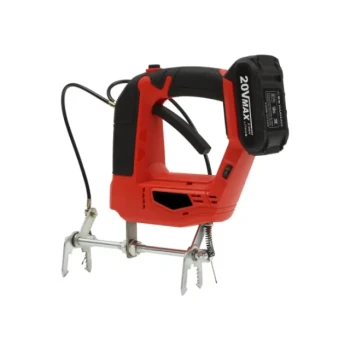
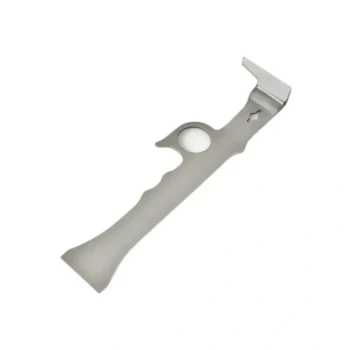
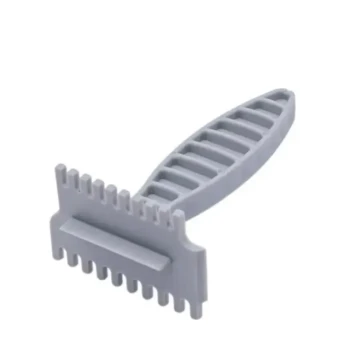
Tools that frequently move between different hives, such as hive tools, uncapping knives, and scrapers, act as mechanical vectors for pathogens. Without rigorous sterilization, these high-contact items carry infectious material from a single diseased colony to every other hive in the operation.
Protecting Large-Scale Apiary Assets
Industrial-grade machinery, including honey extractors and watering facilities, can harbor pathogens that contaminate entire batches of equipment. Thorough cleaning and disinfection of these specialized tools are essential measures to cut off the source of infection at a systemic level.
Preventing Cross-Colony Contamination
Pathogens often lurk on the surfaces of recycled tools or old hive bodies. Systematic disinfection removes these lurking threats, providing a sterile and hygienic environment that is critical for healthy larval development and colony expansion.
Neutralizing Resilient Pathogens
Combatting American Foulbrood (AFB)
Pathogens like Paenibacillus larvae (AFB) produce spores with extreme environmental resistance that persist on wood, metal, and fabric for years. Only high-intensity sterilization and professional-grade disinfection procedures can effectively kill these spores and prevent a full-scale outbreak.
Addressing Nosema and EFB
Nosema spores are highly persistent on hive walls and combs, spreading primarily through fecal-oral transmission. Utilizing physical thermal treatments or specialized chemical disinfectants purifies these facilities, protecting healthy colonies from the pathogens lurking in recycled hardware.
Protecting the Bee Microbiome
Relying on disinfection rather than post-infection treatment reduces the need for chemical antibiotics. This approach maintains the natural honeybee gut microbiome, ensuring bees remain hardy and productive without the stress of constant medicinal intervention.
The Strategic Value of Professional Hygiene Sourcing
Accessing a Full-Spectrum Product Portfolio
Effective biosecurity requires a diverse range of specialized disinfection equipment and biosafety consumables. For distributors, offering a comprehensive portfolio—from flame sterilizers to compliant chemical agents—ensures that beekeepers have the exact tools needed for every stage of the hygiene cycle.
Leveraging Industry Expertise for Rapid Response
In the event of a disease detection, the speed of the response determines the survival of the apiary. Partnering with a supplier that offers deep professional expertise and ultra-fast delivery allows wholesalers to provide the rapid order fulfillment necessary to contain infections before they spread.
Ensuring Continuous and Stable Production
High-efficiency cleaning machinery and professional-grade consumables provide essential health protection without compromising honey quality. This stability is vital for commercial operations that require reliable, repeatable results to maintain their market position.
Understanding the Trade-offs and Pitfalls
Chemical vs. Thermal Sterilization
Chemical disinfectants offer speed and ease of use but require strict adherence to safety protocols to prevent residues in the honey. Thermal treatments, such as flame sterilization, are incredibly effective against resilient spores but can lead to equipment wear if used excessively on wooden components.
The Pitfall of Incomplete Disinfection
Partial cleaning is often as dangerous as no cleaning at all, as it can create a false sense of security while leaving resilient spores behind. Commercial beekeepers must ensure that every surface, including crevices in hive tools and the interiors of extractors, is reached during the disinfection process.
Making the Right Choice for Your Business Goal
How to Apply This to Your Portfolio
- If your primary focus is maximizing client biosecurity: Prioritize the distribution of high-intensity sterilization equipment designed specifically for AFB spore neutralization.
- If your primary focus is operational efficiency for large apiaries: Focus on sourcing high-efficiency cleaning machinery that allows for the rapid processing of large volumes of hive components.
- If your primary focus is sustainable beekeeping: Promote professional-grade disinfectants that reduce the long-term reliance on antibiotics within the colony.
Investing in high-quality disinfection tools is the most effective way to safeguard the health of honeybees and the profitability of the beekeeping industry.
Summary Table:
| Threat Level | Pathogen Type | Transmission Mechanism | Disinfection Benefit |
|---|---|---|---|
| High | American Foulbrood (AFB) | Resilient spores on tools/hives | Neutralizes spores; prevents colony loss |
| Medium | Nosema & EFB | Fecal-oral on hive surfaces | Purifies facilities; protects gut microbiome |
| Critical | Viral Cross-Contamination | Shared extractors and knives | Blocks mechanical vectors between apiaries |
| Strategic | Antibiotic Resistance | Over-reliance on chemicals | Reduces medicinal need via proactive hygiene |
Scale Your Wholesale Business with HONESTBEE’s Biosecurity Solutions
As a leading partner for commercial apiaries and B2B distributors, HONESTBEE provides the comprehensive hardware and expertise needed to safeguard honey bee health worldwide. Our one-stop sourcing capabilities ensure your inventory is always stocked with high-performance beekeeping tools, honey-filling machinery, and essential consumables designed for professional disease prevention.
Why Partner with HONESTBEE?
- Full-Spectrum Portfolio: From specialized hive-making machines to honey-themed cultural merchandise.
- Optimized for Distributors: Benefit from competitive wholesale margins, OEM/ODM support, and reliable supply chains.
- Rapid Fulfillment: Experience ultra-fast delivery and deep professional expertise to meet urgent market demands.
Protect your clients' investments and enhance your market position with our premium trading services. Contact HONESTBEE today to access our complete product catalog and secure a reliable supply of industry-leading beekeeping equipment.
References
- James C. Fulton, James D. Ellis. Common Viruses of Florida Honey Bees: Diagnosis and Management. DOI: 10.32473/edis-in1459-2025
This article is also based on technical information from HonestBee Knowledge Base .
Related Products
- Wooden Bee Brush with Triple Row Artificial Fiber for Beekeeping
- HONESTBEE Professional Mini J-Hook Hive Tool for Beekeeping
- High Performance Cordless Electric Bee Shaker for Beekeeping
- Adjustable Stainless Steel Honey Uncapping Fork with Plastic Handle for Beekeeping
- HONESTBEE 15-in-1 Beekeeper Multi-Tool with Hammer and Pliers for Beekeeping
People Also Ask
- What is the specific function of a bee brush? Ensure Pure Harvests and Colony Welfare During Honey Extraction
- What are the key characteristics of the bristles on a bee brush? Master Gentle and Efficient Bee Removal
- What is the purpose of using a bee brush during the inspection of hive components? Safe & Precise Hive Management
- What problem does a bee brush solve? Protect Your Colony with Gentle Precision Tools
- Why is a bee brush necessary when extracting honeybee hive frames that contain larvae? Protect Your Brood and Colony