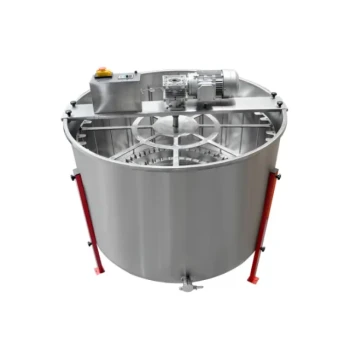
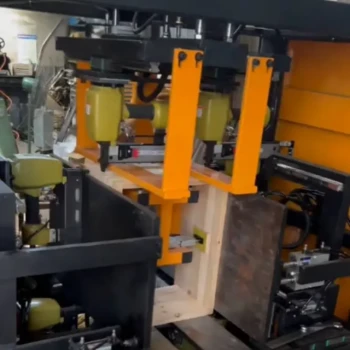
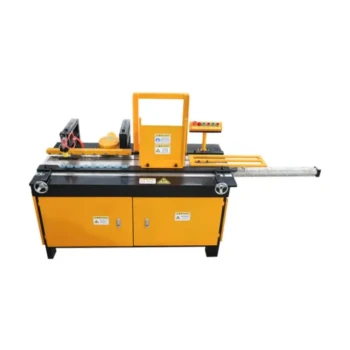
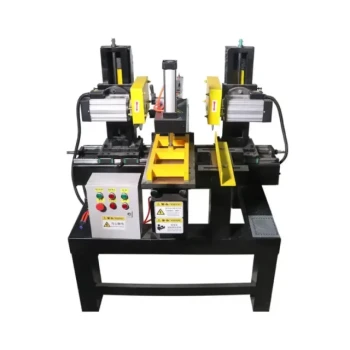
Strategic proximity to transportation infrastructure is the primary determinant of operational uptime and equipment longevity for heavy beekeeping machinery. Minimizing the distance to roads and railways reduces physical wear from road vibrations, protecting sensitive electronic sensors and mechanical harvesting components. Furthermore, close access to transport networks ensures that maintenance teams and critical replacement parts arrive rapidly, minimizing costly downtime during high-stakes seasonal operations.
Proximity to transport infrastructure is a technical prerequisite that safeguards precision machinery and enables the rapid response times essential for profitable, large-scale migratory beekeeping.
Logistics as a Pillar of Equipment Longevity
Mitigating Damage to Precision Components
Heavy beekeeping machinery, such as automated frame-making machines and large-scale harvesting vehicles, relies on delicate sensors. Shorter transport paths over established roads significantly reduce the risk of physical damage caused by prolonged road vibrations.
Preserving Mechanical Integrity
Frequent movement over rough, off-road terrain can lead to structural fatigue and the loosening of critical mechanical fasteners. Utilizing established road and rail networks ensures that high-value assets remain within their designed operational tolerances.
Enhancing Transport Security
Specialized loading and securing equipment are most effective when utilized on stable, level transport routes. This stability is crucial for ensuring that heavy harvesting components do not shift, which could lead to catastrophic equipment failure or safety hazards.
The Maintenance Advantage of Infrastructure Proximity
Rapid Technical Response Times
In the event of a mechanical failure, being near major transport routes ensures that dedicated technical personnel can reach the site quickly. In a B2B context, this "rapid response" is the difference between a minor delay and a lost harvest season.
Efficient Order Fulfillment for Spare Parts
Proximity to transport hubs allows for ultra-fast delivery of replacement parts from centralized warehouses. For distributors and resellers, offering a one-stop sourcing model combined with proximity to logistics hubs ensures that end-users experience minimal service interruptions.
Streamlined Maintenance Cycles
Regularly scheduled maintenance is more likely to occur when the machinery is easily accessible via standard transport vehicles. This ease of access encourages a proactive rather than reactive maintenance culture, extending the total lifecycle of the fleet.
Maximizing Yield Through Mobility
Dynamic Resource Allocation
The ability to rapidly move beehives and machinery between foraging sites allows beekeepers to follow peak flowering schedules. This mobility enables the dynamic allocation of nectar resources across various geographic regions and altitudes.
Extending the Collection Cycle
By leveraging high-performance transport vehicles and robust road networks, beekeepers can extend their annual honey collection cycle. This mitigates the production risks associated with resource depletion in any single, isolated location.
Reducing Bee Mortality
Efficient transport infrastructure reduces the time bees spend in transit, which minimizes environmental stress. specialized ventilation and stabilizing equipment work best when transport is fast and smooth, ensuring the continuity of the colony's health.
Understanding the Trade-offs and Pitfalls
The Risk of Infrastructure Over-Reliance
While proximity to roads is vital, it can lead to forage competition as multiple commercial operations may cluster near the same access points. Beekeepers must balance the ease of machinery transport with the biological needs of the colony for diverse, uncrowded forage.
Remote Operation Costs
Operating heavy machinery in remote areas far from rail or road links exponentially increases logistical costs. These costs include higher fuel consumption, increased wear and tear, and the "hidden cost" of slower emergency response times.
Equipment Specialization vs. Versatility
Heavy machinery designed specifically for highway transport may lack the suspension required for the "final mile" of rugged terrain. Distributors must ensure their full-spectrum product portfolio includes machinery capable of handling the transition from rail to rural track.
How to Apply This to Your Business Strategy
Optimizing the relationship between machinery and infrastructure is a core requirement for any high-volume beekeeping operation.
- If your primary focus is maximizing equipment uptime: Prioritize sourcing machinery from providers with established rapid response technical teams and localized parts distribution.
- If your primary focus is migratory yield expansion: Invest in high-performance transport vehicles that integrate seamlessly with major road and rail networks to allow for quick relocation between blooming zones.
- If your primary focus is long-term asset protection: Limit the operation of precision harvesting equipment to sites within a specific radius of paved infrastructure to minimize vibration-related sensor failure.
Integrating superior machinery with a strategic understanding of logistics is the most effective way to ensure consistent production and long-term operational success.
Summary Table:
| Key Factor | Impact on Equipment | Business Benefit |
|---|---|---|
| Component Integrity | Reduced vibration damage to sensors | Extended machinery lifespan |
| Response Time | Faster arrival of technicians/parts | Minimized seasonal downtime |
| Logistics Efficiency | Streamlined spare parts fulfillment | Reliable one-stop sourcing |
| Migratory Mobility | Dynamic resource allocation | Increased annual honey yield |
Scale Your Beekeeping Business with HONESTBEE
As a global leader in one-stop sourcing, HONESTBEE empowers distributors and commercial apiaries with a full spectrum of beekeeping tools and heavy machinery. From precision honey-filling machines to durable hive-making hardware, we provide the reliability and rapid response your business demands.
Why partner with HONESTBEE?
- Full-Spectrum Portfolio: Access everything from essential industry consumables to specialized machinery and honey-themed cultural merchandise.
- Supply Reliability: Benefit from ultra-fast delivery and efficient order fulfillment to ensure your customers never face downtime.
- Industry Expertise: Leverage our deep professional knowledge to optimize your inventory and maintenance strategies.
- B2B Dedicated Support: Tailored wholesale offerings with exceptional customer service to maximize your profit margins.
Ready to enhance your supply chain and protect your high-value assets? Contact HONESTBEE today for a comprehensive wholesale partnership!
References
- Gizem Nur Özdoğan, Mehpare Timor. Bulanık TOPSIS ve PROMETHEE yöntemleri kullanılarak arıcılık işletmesi için kuruluş yeri seçimi. DOI: 10.58588/aru-jfeas.1642111
This article is also based on technical information from HonestBee Knowledge Base .
Related Products
- Heavy-Duty Ergonomic Grip Galvanized Pollen Shovel
- Stainless Steel J Hook Hive Tool for Beekeeping
- HONESTBEE Classic Pry Bar Hive Tool with High Visibility Finish for Beekeeping
- 40 Frame Commercial Electric Honey Extractor for Beekeeping
- Stainless Steel Manual 8 Frame Radial Honey Extractor Machine for Beehives
People Also Ask
- For what reasons do beekeepers collect bee pollen? Boost Hive Health and Unlock New Revenue Streams
- Why should commercial apiaries focus on the collection of diversified bee products? Maximize Your Hive’s Profit Potential
- How do bee pollen collection tools affect the quality of bee pollen used in functional dairy ice cream production?
- How does a specialized pollen collector facilitate the harvesting of diverse bee products? Automate High-Value Yields
- What is the impact of pollen collectors and associated equipment on the cost structure of pollen production? Maximize ROI