Regional floral architecture—the specific distribution of herbs, shrubs, and trees—directly dictates the intensity and volume of honey production, which in turn determines the required capacity of extraction machinery and storage consumables. In regions dominated by highly accessible herbaceous plants and shrubs, nectar flows are often rapid and dense, requiring high-specification centrifugal extractors and large-scale storage solutions to manage the accelerated harvest.
The synergy between local flora and apiary infrastructure is the primary driver of operational efficiency; by matching equipment specifications to the expected harvest intensity, distributors can ensure their clients avoid costly processing bottlenecks and maximize nectar-to-market speed.
The Correlation Between Vegetation Type and Equipment Grade
Managing High-Density Nectar Flows
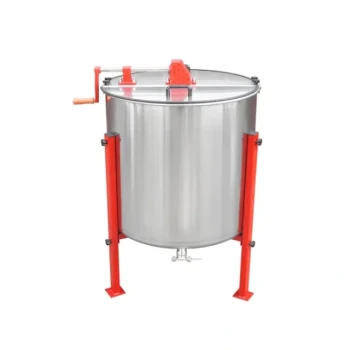
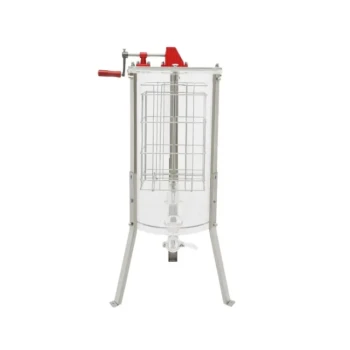
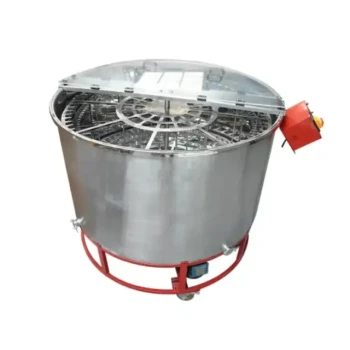
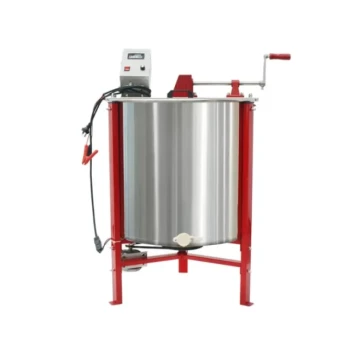
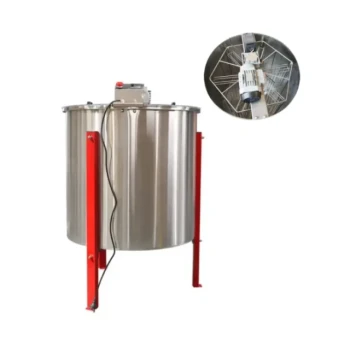
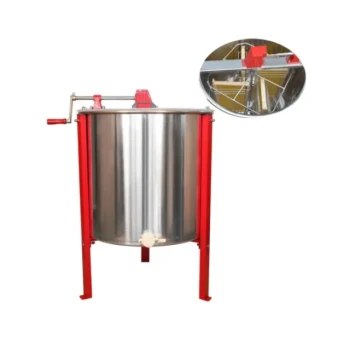
Regions with a high concentration of ground-level herbs and shrubs allow bees to collect resources with minimal energy expenditure. This efficiency leads to rapid honey accumulation, necessitating the use of stainless steel centrifugal extractors with higher frame capacities to keep pace with the hive's production.
Precision Hive Manufacturing
A detailed understanding of the landscape’s carrying capacity allows for the use of specialized hive-making machinery. Technical teams can manufacture hives tailored to specific nectar densities, ensuring that the physical housing of the colony is optimized for the local environment’s maximum output.
Optimizing Equipment Load
Rich, stratified vegetation provides a consistent supply of raw materials, allowing fully automated filtration systems to operate at full capacity. This reduces equipment idle time and ensures that the investment in high-end machinery yields the highest possible processing throughput per unit of time.
Synchronizing Processing Capacity with Flowering Windows
Predicting Peak Harvest Intensity
By analyzing the nectar secretion patterns of specific regional flora, beekeepers can forecast peak harvest times with high accuracy. This foresight is critical for distributors to ensure that high-capacity honey filling machines and filtration equipment are delivered and installed before the nectar flow begins.
Scaling Storage Consumables
High-density environments require a significantly larger volume of apiary consumables, specifically honey storage containers and pails. Ensuring a steady supply of these items prevents quality degradation, as honey must be moved quickly from the extractor to sealed storage to maintain its moisture content and flavor profile.
Scientific Placement and Deployment
Evaluating the coverage area of primary flora like acacia or rapeseed guides the precise deployment of apiary equipment. Using this data prevents "overgrazing," ensuring each colony has sufficient nutrition while reducing the risk of pests—a strategy that protects the long-term health of the commercial bee colony.
Understanding the Trade-offs: The Risks of Misalignment
Infrastructure Bottlenecks
The most significant pitfall is a mismatch between harvest intensity and processing capacity. If the extraction machinery is underspecified for a high-intensity floral region, the surplus honey remains in the hives, leading to swarming or lost production opportunities.
Over-Investment and Idle Costs
Conversely, deploying ultra-high-capacity automated lines in regions with sparse tree-based flora can lead to excessive equipment idle time. In these environments, the capital expenditure may not be justified by the slower, more sporadic nectar collection cycles characteristic of deeper forest architecture.
Maintenance and Logistics Pressure
High-spec machinery requires rapid response times for maintenance and parts replacement. In peak harvest zones, any equipment downtime can result in the loss of a significant percentage of the annual yield, making efficient order fulfillment for spare parts a critical business requirement.
Strategic Selection Based on Regional Landscapes
How to Apply This to Your Portfolio
To provide the most value to your clients, your inventory and service strategy should reflect the floral diversity of the regions you serve.
- If your primary focus is High-Intensity Herbaceous Regions: Prioritize stocking high-capacity, automated stainless steel extractors and high-volume storage consumables to handle rapid nectar surges.
- If your primary focus is Diverse, Stratified Landscapes: Offer a full-spectrum portfolio that includes specialized hive-making machinery and modular filtration systems that can scale with varying nectar densities.
- If your primary focus is Resource-Limited or Remote Regions: Focus on durable, highly efficient manual or mid-range electric equipment with a strong emphasis on rapid delivery of essential maintenance consumables.
By aligning technical expertise with regional botanical data, you transition from a simple vendor to an indispensable partner in your clients' commercial success.
Summary Table:
| Landscape Type | Nectar Flow Profile | Recommended Equipment | Strategic Focus |
|---|---|---|---|
| Herbaceous & Shrubs | Rapid & High Density | High-capacity centrifugal extractors & large storage | Maximizing processing throughput |
| Stratified (Mixed) | Consistent & Diverse | Specialized hive-making machinery & modular filtration | Scalability and hive optimization |
| Sparse Forest | Slower & Sporadic | Durable mid-range equipment & essential consumables | Maintenance and supply reliability |
Scale Your Distribution Success with HONESTBEE
Is your inventory ready for the next peak harvest? HONESTBEE empowers distributors and B2B resellers with a one-stop sourcing solution for the entire beekeeping lifecycle. From high-precision honey-filling machines and specialized hive-making hardware to essential industry consumables, our full-spectrum portfolio is designed to meet the rigorous demands of commercial apiaries.
Why Partner with Us?
- Deep Industry Expertise: We align our product specifications with regional floral data to ensure your clients achieve maximum efficiency.
- Ultra-Fast Fulfillment: Minimize downtime with our rapid response times and efficient order processing.
- Comprehensive Wholesale Support: Gain a competitive edge with our premium trading services and reliable supply chain.
Contact us today to explore our wholesale offerings and see how HONESTBEE can drive your business growth!
References
- Kathy Danisha Omeir, Juan Asdrúbal Flores-Pacheco. Exploración botánica para la implementación de un apiario en Bluefields, Nicaragua: un enfoque florístico del Trópico Húmedo. DOI: 10.5377/rci.v34i1.19708
This article is also based on technical information from HonestBee Knowledge Base .
Related Products
- Electric 8 Frame Honey Spinner Extractor Equipment for Beekeeping
- 6 Frame Manual Stainless Steel Honey Extractor Beekeeping Equipment
- HONESTBEE 2 Frame Manual Acrylic Honey Extractor Beekeeping Equipment
- HONESTBEE 72 Frame Industrial Electric Honey Extractor for Beekeeping
- 32 Frame Commercial Electric Honey Extractor for Beekeeping and Honey Production
People Also Ask
- What are the advantages of an electric honey extractor? Boost Efficiency and Scale Your Honey Production
- What are the characteristics of electric honey extractors? Boost Your Apiary Efficiency with Automated Technology
- What are the disadvantages of using an electric honey extractor? Weighing Cost, Power, and Comb Safety
- What are the features of an electric honey extractor? Boost Your Apiary's Productivity with Motorized Efficiency
- What are the technical advantages of electric honey extractors? Maximize Yield and Protect Your Bee Colony