The integrated application of beekeeping machinery fundamentally transforms buckwheat production by systematizing the pollination process. By using specialized equipment to scientifically deploy bee colonies, farmers can satisfy the crop's cross-pollination requirements with precision, significantly reducing the time required to pollinate individual flowers and directly increasing the seed-setting rate.
Core Insight: Integrating beekeeping machinery creates a scalable synergy between agriculture and apiculture, turning pollination into a controllable variable that simultaneously boosts buckwheat seed yields and total honey production per hectare.
The Mechanism of Yield Improvement
Solving the Cross-Pollination Challenge
Buckwheat production relies heavily on effective fertilization to generate seeds.
Cross-pollination is the critical biological requirement for this crop.
Integrated machinery allows you to leverage bees not just as natural visitors, but as "professional pollination vectors" introduced systematically to meet this need.
Increasing Pollination Efficiency
The primary driver of yield improvement is the reduction of pollination time.
By scientifically deploying hive facilities directly within or adjacent to buckwheat fields, the travel distance for foragers is minimized.
This proximity ensures that individual flowers are pollinated faster, preventing bloom failure and maximizing the window for seed development.
The Double-Yield Effect
This integration produces a synergistic output rather than a singular benefit.
The immediate result for the farmer is a higher seed-setting rate, leading to greater agricultural tonnage per hectare.
Simultaneously, the beekeeper benefits from increased honey yields, as the machinery facilitates access to a dense, immediate nectar source.
The Role of Specialized Equipment
Mobile Deployment Units
While the primary reference focuses on the result, supplementary data clarifies the how through mobile beekeeping equipment.
These units provide a portable, controllable environment that allows for precise management of colony location.
By moving colonies to the crop exactly during peak flowering, you ensure maximum pollinator density when the buckwheat is most receptive.
Hive Infrastructure and Health Monitoring
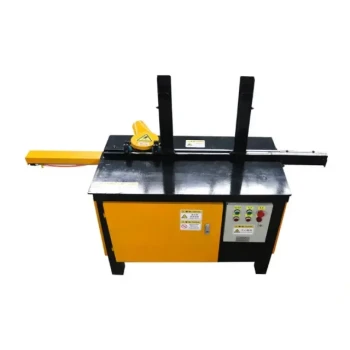
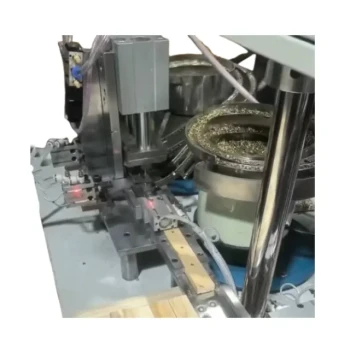
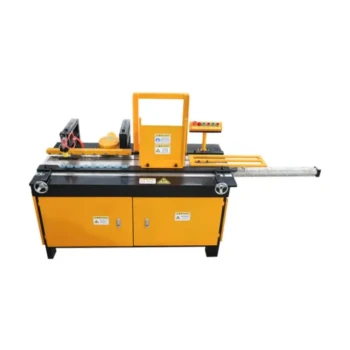
Professional hive-making machinery provides the necessary infrastructure to sustain high-density pollination.
Scientifically designed habitats allow for precise health monitoring of the bees.
This equipment ensures the colony remains strong enough to provide a continuous supply of pollination services throughout the buckwheat growing season.
Understanding the Trade-offs
Operational Complexity
Integrating beekeeping machinery introduces a new layer of management complexity.
You are no longer managing just a crop; you are managing a biological ecosystem that requires synchronization between bloom cycles and colony health.
Capital vs. Yield
While the yield increases are significant, they come with the cost of specialized infrastructure.
Investment in mobile units and professional hive tools must be weighed against the projected increase in seed tonnage and honey sales to ensure profitability.
Making the Right Choice for Your Goal
To effectively implement this integration, align your equipment choices with your specific production targets:
- If your primary focus is maximizing Buckwheat Seed Tonnage: Prioritize mobile deployment units to position bees centrally during the brief peak flowering window for maximum coverage.
- If your primary focus is sustainable, Dual-Stream Income: Invest in hive health monitoring tools to ensure colonies remain robust enough to harvest surplus honey after pollinating the crop.
By treating beekeeping equipment as an essential agricultural input rather than an optional add-on, you secure the vital link between biological potential and harvestable reality.
Summary Table:
| Key Component | Impact on Buckwheat Production | Primary Benefit |
|---|---|---|
| Mobile Deployment Units | Enables precise colony placement during peak bloom | Maximizes pollinator density and coverage |
| Hive Infrastructure | Provides stable habitats for high-density pollination | Ensures colony health and service longevity |
| Pollination Vectors | Systematizes cross-pollination via managed bees | Significantly increases seed-setting rates |
| Dual-Stream Management | Synchronizes bloom cycles with colony activity | Boosts both crop tonnage and honey production |
Maximize Your Agricultural & Apiary Potential with HONESTBEE
Ready to transform your buckwheat production into a high-yield, dual-stream operation? HONESTBEE specializes in empowering commercial apiaries and distributors with the professional-grade tools needed to succeed. From specialized hive-making and honey-filling machinery to a full spectrum of beekeeping equipment and consumables, we provide the comprehensive wholesale solutions your business demands.
Whether you are scaling up commercial pollination services or distributing industry-leading hardware, our portfolio is designed to bridge the gap between biological potential and harvestable profit.
Contact HONESTBEE today to explore our wholesale offerings!
References
- Laxman Aryal, Narendra Kumar Chaudhary. Foraging Behavior of Native Honeybee (Apis Cerana F.) and European Honeybee (Apis Mellifera L.) on Flowers of Common Buckwheat (Fagopyrum Esculentum M.) in Chitwan, Nepal. DOI: 10.3126/ijasbt.v4i2.15131
This article is also based on technical information from HonestBee Knowledge Base .
Related Products
- Full Set Beekeeping Electronic Bee Venom Collector Machine Device for Bee Venom Collecting
- Stainless Steel J Hook Hive Tool for Beekeeping
- HONESTBEE 15-in-1 Beekeeper Multi-Tool with Hammer and Pliers for Beekeeping
- HONESTBEE Top Bar & Bottom Bar Forming Machine | Bee Frame Machine
- HONESTBEE Professional Mini J-Hook Hive Tool for Beekeeping
People Also Ask
- How does the glass plate integrated into a bee venom collector contribute to maintaining quality and purity?
- What is the function of specialized collection equipment in the production process of bee venom? Expert Guide
- What is the significance of using specialized bee venom collection devices in commercial beekeeping operations?
- Why are bee venom collection devices typically mounted on specialized wooden carrier boards? Maximize Yield & Purity.
- How does a dedicated bee venom collection device operate? Extract Pure Venom Safely Without Harming Your Bees