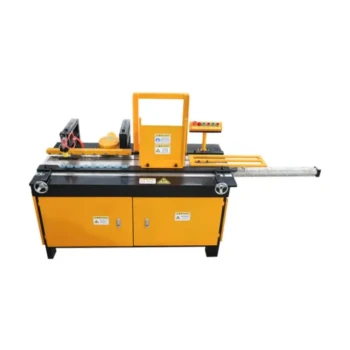
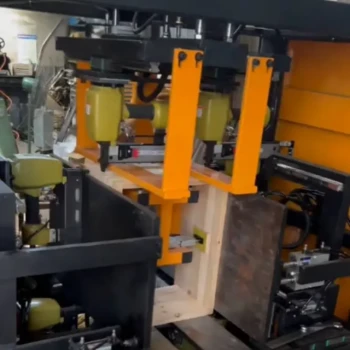
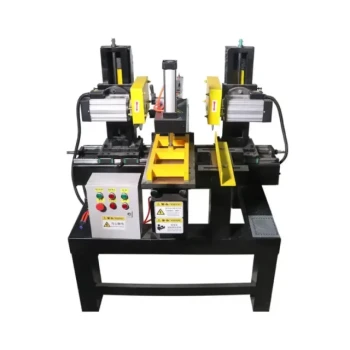
The manufacturing precision of beehives is a critical factor in determining colony survival during thermal extremes. High-precision hive-making machinery produces standardized units with exceptionally tight joints and precise dimensions. This mechanical exactness creates a superior physical thermal barrier, effectively sealing the colony against external temperature fluctuations and allowing the bees to maintain a stable brood environment with minimal energy expenditure.
Core Insight: Precision manufacturing transforms a beehive from a simple wooden box into a controlled biological envelope. by eliminating structural inconsistencies and air gaps, these hives allow colonies to decouple their internal microclimate from external weather extremes, significantly reducing mortality rates caused by environmental stress.
The Mechanics of Thermal Defense
The Role of "Tight Joints" in Insulation
The primary benefit of using hive-making machinery is the ability to produce components with tight, interlocking joints. Unlike varying hand-made structures, machine-made joints provide a consistent, high-integrity seal.
This "superior physical thermal barrier" prevents the uncontrolled exchange of air between the inside and outside of the hive. By stopping drafts and heat leakage, the hive body acts as a reliable insulator rather than a porous container.
Stabilizing the Brood Environment
The ultimate goal of this structural precision is the protection of the brood. Honey bee larvae require a highly specific temperature range to develop correctly.
During periods of extreme heat or severe fluctuation, the thermal resistance provided by precision manufacturing shields the brood. This stability reduces the physiological stress on nurse bees, who would otherwise exhaust themselves trying to thermoregulate a leaky hive.
The Importance of Precise "Bee Space"
Beyond the outer shell, machinery ensures internal dimensions adhere strictly to the "bee space" concept (the precise gap bees leave between combs).
When these dimensions are exact, bees can manage airflow and humidity efficiently. Inaccurate dimensions force bees to bridge gaps with propolis or burr comb, which disrupts airflow and makes maintaining the colony's internal temperature and humidity balance significantly harder.
Biological Implications for Colony Health
Energy Conservation and Stress Reduction
Survival is largely a game of energy management. When a hive is manufactured with high precision, the colony expends less energy on heating or cooling.
This energy conservation is vital for survival. It reduces "abnormal colony loss" by ensuring that the colony’s resources are reserved for immune defense and foraging rather than fighting the physics of their own home.
Barrier Against Pathogens and Predators
The excellent sealing provided by standardized machinery does more than just control temperature. It physically prevents the intrusion of natural predators that could stress a weakened colony.
Furthermore, by optimizing the internal microenvironment (humidity and temperature), these hives reduce the likelihood of pathogen accumulation. A drier, temperature-controlled environment is less hospitable to many bee diseases, effectively reducing Colony Collapse Disorder (CCD) risks associated with environmental stress.
Understanding the Trade-offs
The Requirement for Component Consistency
The benefits of precision manufacturing rely entirely on the interchangeability of parts. If you introduce non-standardized components or mix parts from manufacturers with different tolerance levels, you negate the thermal advantages.
A single ill-fitting frame or cover can break the thermal seal. To maintain the survival benefits described, you must commit to a fully standardized system where every component maintains the same high level of manufacturing precision.
Hardware vs. Biological Management
While precision hives provide the "necessary hardware foundation," they are not a cure-all. They provide a controllable physical space, but they do not manage the colony for you.
The hive creates the potential for survival. However, without proper apiary management—such as utilizing the standardized features for timely harvesting and monitoring—the structural benefits alone cannot guarantee success against starvation or mites.
Making the Right Choice for Your Goal
To leverage manufacturing precision for maximum colony survival, consider your primary operational objectives:
- If your primary focus is Overwintering/Summer Survival: Prioritize hives with machine-cut interlocking joints to ensure the tightest possible seal, minimizing the colony's metabolic rate during thermal extremes.
- If your primary focus is Disease Management: Ensure your equipment maintains precise internal "bee space" dimensions to optimize humidity control and prevent the damp conditions that favor pathogen growth.
- If your primary focus is Large-Scale Operations: Utilize standardized industrial-grade equipment to ensure component interchangeability, which reduces bee stress and hardware damage during transhumance (transport).
Ultimately, high-precision manufacturing is an investment in biological stability, providing the passive thermal control necessary to keep colonies alive when the climate turns hostile.
Summary Table:
| Feature | Precision Impact | Biological Benefit |
|---|---|---|
| Interlocking Joints | Eliminates air gaps & drafts | Superior thermal insulation & energy conservation |
| Standardized Bee Space | Optimized internal dimensions | Improved airflow control & moisture management |
| Component Uniformity | Perfect physical seal | Reduced stress on nurse bees & lower mortality |
| Mechanical Exactness | Barrier against predators | Enhanced defense against pests and pathogens |
Secure Your Apiary's Future with HONESTBEE Precision
Maximize colony survival and operational efficiency with industrial-grade precision. HONESTBEE empowers commercial apiaries and distributors with the high-performance hardware needed to withstand extreme climates.
Our comprehensive wholesale offering includes:
- Advanced Hive-Making & Honey-Filling Machinery for perfect standardization.
- Premium Beekeeping Tools & Equipment built to exact tolerances.
- Essential Industry Consumables to support every stage of honey production.
Whether you are scaling a commercial operation or supplying the industry, our equipment ensures every hive becomes a stable biological envelope. Partner with HONESTBEE today – Contact Us to explore our full spectrum of professional beekeeping solutions.
References
- Bassim Haleem Kshash. Beekeepers Problems in AL-Diwaniyah City. DOI: 10.33794/qjas.2013.83570
This article is also based on technical information from HonestBee Knowledge Base .
Related Products
- High-Efficiency Pneumatic Bee Hive Making Machine for Rapid Box Assembly
- Beehive Handle and Frame Rest Cutting Machine: Your Specialized Hive Machine
- Mini Desktop Bee Hive Frame Forming Making Machine
- Automatic High-Speed Bee Hive Box Stapling Machine
- Beehive Machine Double End Saw for Precision Hive Component Manufacturing
People Also Ask
- How does the introduction of professional beehive-making machinery benefit sustainable beekeeping? Scale Your Apiary
- Why is specialized beehive-making machinery critical for low-defense breeding? Enhance Selection with Precision Tools
- How does the introduction of specialized beehive making machinery contribute to increasing the scale of regional beekeeping industries?
- What is the importance of specialized beehive making machinery in a circular bio-economy? Build Local Sustainability
- Why is specialized beehive-making machinery essential? Scale Your Apiary with Precision Industrial Standards