Hive maturity is the primary driver of commercial honey yields, shifting a colony's focus from internal infrastructure development to surplus accumulation. While a first-year "starter" hive typically produces between 0 and 20 pounds of honey, an established and healthy mature hive expects a baseline of 30 to 60 pounds. Under professional management and ideal foraging conditions, a mature, high-strength colony can exceed 100 pounds of honey per season.
Core Takeaway: To ensure a stable and scalable supply chain, distributors must recognize that honey yield is a function of colony age and infrastructure; mature hives provide the surplus capacity and moisture control necessary for premium, export-grade honey.
The Developmental Stages of Honey Production
First-Year Hives: The Investment Phase
In the first year of a colony's life, the bees prioritize energy for building wax comb and establishing the brood nest. This biological requirement consumes the majority of collected nectar, leaving a negligible surplus of 0 to 20 pounds for harvest. For wholesalers, this phase represents an investment in future capacity rather than immediate liquid inventory.
Established Hives: The Growth Phase
A healthy, established hive typically enters its second year with a fully drawn comb and a stabilized population. This maturity allows the colony to pivot its labor force toward foraging, resulting in a standard yield of 30 to 60 pounds. These hives provide the consistent "baseline" volume required for reliable year-round fulfillment.
High-Strength Hives: The Peak Production Phase
When a mature hive is managed with professional expertise and placed in nectar-rich environments, yields can spike to over 100 pounds. This level of output is driven by high worker populations that can exploit short-duration "honey flows" with maximum efficiency. Sourcing from operations that maintain these high-strength colonies is essential for large-scale bulk distribution.
Infrastructure Factors that Accelerate Maturity
The Role of Frame Count and Population Density
The number of frames in a hive—typically 10 to 15 in professional setups—is a direct indicator of colony strength. Larger populations have a higher ratio of foragers to house bees, which significantly boosts nectar collection rates. This density also ensures there are enough bees to fan and evaporate moisture, a critical step in the natural ripening process.
Vertical Expansion and Thermal Stratification
Strategic use of deep and shallow supers allows for better internal thermal management within the hive. Proper vertical partitioning optimizes forced convection, moving heat efficiently to the honey storage zones to accelerate dehydration. This infrastructure is vital for ensuring the honey reaches a moisture content below 20% before extraction.
Standardization and Scalability
For B2B operations, the use of standardized beehives allows for predictable scaling of production. Data suggests that each additional standardized hive contributes an annual increase of approximately 4.36 kilograms of honey to the total output. Standardized equipment also facilitates ultra-fast delivery and efficient order fulfillment across the supply chain.
Understanding the Trade-offs and Risks
Yield Volume vs. Moisture Content
While high-yield mature hives are desirable, rapid nectar intake can sometimes lead to "green honey" if harvested too early. If the colony population isn't strong enough to fan the moisture down to 20%, the honey risks fermentation and spoilage. Professional grading and specialized filtration equipment are required to ensure that high-volume yields meet physicochemical stability standards.
Environmental Dependency
Even the most mature hive is subject to the limitations of its geographic location and local weather patterns. A lack of nectar-rich vegetation near the apiary can stifle the production of even a 100-pound-capable colony. Distributors must ensure their sourcing partners use scientific placement strategies to mitigate these environmental variables.
Optimizing Your Sourcing Strategy
Choosing the right supply partner requires an understanding of how hive maturity and infrastructure impact your bottom line. Your sourcing strategy should align with your specific market requirements for volume, quality, and delivery speed.
- If your primary focus is rapid market entry and high volume: Partner with suppliers who utilize standardized, multi-frame (10-15 frame) mature colonies to ensure immediate surplus availability.
- If your primary focus is premium product stability and shelf-life: Prioritize honey sourced from mature hives that emphasize natural dehydration and utilize specialized industrial processing to maintain aromatic compounds.
- If your primary focus is supply chain reliability: Seek out distributors with a full-spectrum product portfolio and deep industry expertise who can navigate seasonal yield fluctuations through diverse apiary locations.
By aligning your procurement with the biological realities of hive maturity, you secure a more resilient and profitable honey supply chain.
Summary Table:
| Colony Stage | Expected Yield | Primary Focus | B2B Commercial Value |
|---|---|---|---|
| First-Year (Starter) | 0 - 20 lbs | Infrastructure & Wax Building | Long-term Capacity Investment |
| Established (Mature) | 30 - 60 lbs | Surplus Accumulation | Reliable Baseline Inventory |
| High-Strength | 100+ lbs | Exploiting Honey Flows | High-Volume Export Potential |
Scale Your Honey Production with HONESTBEE
Maximizing hive maturity requires professional-grade infrastructure and precision equipment. HONESTBEE empowers commercial apiaries and B2B distributors with a one-stop sourcing solution for the entire beekeeping lifecycle.
Whether you need specialized hive-making machinery, automated honey-filling systems, or high-quality beekeeping consumables, our comprehensive portfolio ensures your colonies reach peak productivity faster. We offer:
- Deep Industry Expertise: Tailored OEM/ODM support to fit your brand's unique requirements.
- Rapid Fulfillment: Ultra-fast delivery and efficient order processing to keep your supply chain moving.
- Premium Service: Dedicated support for wholesalers and resellers seeking high-margin, certified equipment.
Ready to enhance your yield and streamline your sourcing?
Contact HONESTBEE Today to Discuss Your Wholesale Needs
Related Products
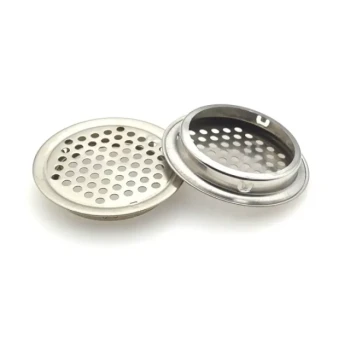
- Stainless Steel Round Beehive Air Vents for Ventilation
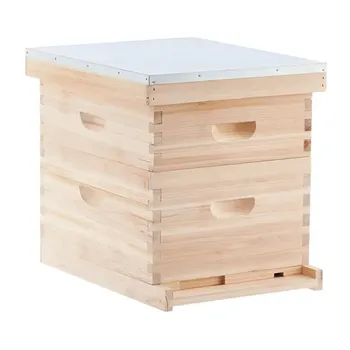
- Wholesales Dadant Size Wooden Bee Hives for Beekeeping
- Metal Hive Feet Bee Hive Stand for Ant Protection
- Metal Bee Hive Stand Bee Box Stand for Beekeeping
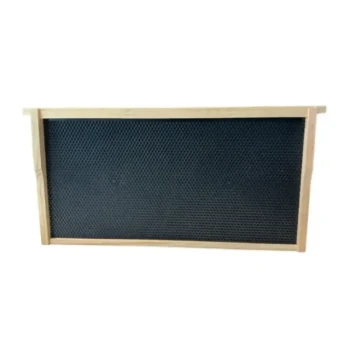
- Wooden Bee Hive Frames for Beekeeping and Wholesale
People Also Ask
- How does ventilation affect colony health, and how should it be managed seasonally? A Guide to Preventing Moisture & Overheating
- Why is proper ventilation important in a beehive? Prevent Mold, Regulate Temperature, and Boost Colony Health
- How can a beekeeper provide proper ventilation for a beehive throughout the year? Seasonal Strategies for Bee Health
- How can ventilation be added to a beehive without using an inner cover? Simple, Effective Solutions for Healthy Hives
- Why is good ventilation crucial when transporting beehives? Protect Your Colony from Lethal Overheating