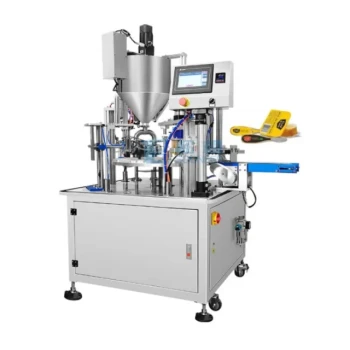
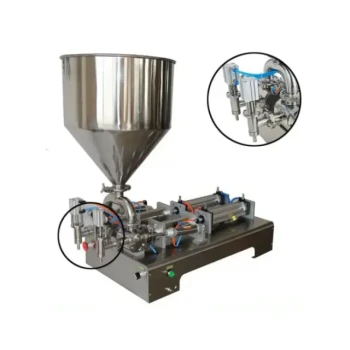
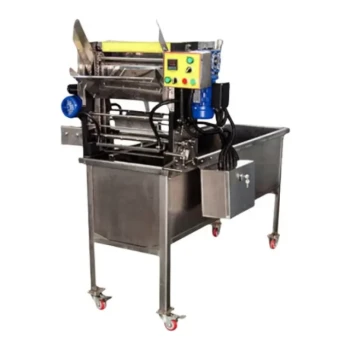
The nectar rating of local tree species serves as the primary data point for forecasting peak production volume. By analyzing the prevalence of high-rated species, such as Tilia cordata or Robinia pseudoacacia, apiaries can calculate the maximum potential throughput required during harvest. This ensures the selected automated honey-filling machine has sufficient capacity to handle the raw supply without creating a bottleneck.
The nectar rating acts as a biological limit that dictates the necessary engineering specifications of your processing line. By aligning machine capacity with the peak yield potential of level-4 nectar sources, you convert botanical data into operational efficiency, ensuring your infrastructure is neither underpowered for the harvest nor wastefully oversized.
Translating Botanical Data into Engineering Requirements
Predicting Peak Throughput
The nectar rating system, which peaks at level 4, provides a direct correlation to the raw honey yield of a specific geographic area. Identifying the density of top-tier species allows you to estimate the maximum volume of honey your colony will produce in a short window.
This estimation is the baseline for selecting a machine’s filling speed (bottles per minute). If your apiary is situated near high-yield sources, you must select machinery capable of matching that specific surge in supply.
Preventing Production Bottlenecks
Standardizing your equipment based on these biological predictions is critical for maintaining workflow continuity. When harvest volumes spike due to high-nectar blooms, an under-specced machine becomes a choke point that slows down the entire operation.
Industrial-grade filling machines ensure that the speed of processing matches the speed of extraction. This alignment allows beekeepers to capitalize on short, intense harvest seasons without product backlog.
Matching Machine Type to Honey Characteristics
Preserving Chemical Integrity
Beyond simple volume, the specific species of tree impacts the chemical composition of the honey, which influences machine selection. Certain premium varieties, such as oak honey, contain sensitive phenolic compounds and high antioxidant levels.
For these varieties, volume capacity is secondary to preservation capabilities. You must select machines designed to minimize exposure to ambient air during the dispensing process.
Ensuring Medicinal-Grade Quality
Specialized filling machines offer high-precision volumetric dispensing that prevents oxidation. This is essential for maintaining the antimicrobial activity found in high-value honeys.
If your flora supports the production of medicinal-grade honey, the machine must be capable of hermetic or low-oxygen filling to meet rigorous quality standards.
Operational Consistency and Hygiene
Reducing Environmental Variables
Automated filling machines standardize the post-harvest process, removing human error and variability from the equation. This consistency is vital when dealing with the large-scale throughput generated by high-nectar environments.
By automating the filtration and packaging stages, you ensure that hygiene standards are met regardless of the volume being processed. This protects the crop from contamination, which is a significant risk during high-pressure harvest periods.
Economic Resilience
High-speed automated packaging significantly reduces manual labor costs and minimizes product loss. This efficiency strengthens the economic resilience of the apiary, allowing it to remain competitive even when climate variability affects yields.
Understanding the Trade-offs
Capacity vs. Capital Expenditure
A common pitfall is sizing machinery based on average yields rather than peak potential. While a machine rated for "Level 4" volume prevents bottlenecks, it requires a higher initial capital investment that may sit idle during low-yield seasons.
Speed vs. Precision
Extremely high-speed machines prioritized for volume often lack the delicate handling required for premium, air-sensitive honeys. If your location produces both high-volume table honey and sensitive medicinal honey, a single machine may not suffice for both without compromising quality or speed.
Making the Right Choice for Your Goal
To select the correct equipment, you must audit your local flora and define your market strategy.
- If your primary focus is Mass Market Volume: Prioritize machines with high throughput rates that meet or exceed the projected yield of your area's level-4 nectar species (e.g., Robinia pseudoacacia).
- If your primary focus is Premium/Medicinal Grade: Select specialized filling equipment that prioritizes minimal air exposure and oxidation prevention to protect sensitive compounds in varieties like oak honey.
- If your primary focus is Operational Efficiency: Choose integrated industrial-grade systems that combine filtering and filling to reduce labor costs and ensure hygiene consistency across variable harvests.
Your equipment should not just fit your factory; it must fit the biological potential of your environment.
Summary Table:
| Factor influenced by Nectar Rating | Machine Requirement | Primary Benefit |
|---|---|---|
| Peak Production Volume | High bottles-per-minute (BPM) | Eliminates harvest bottlenecks |
| High-Yield Surge (Level 4) | Industrial-grade durability | Operational continuity during blooms |
| Medicinal Honey (e.g. Oak) | Low-oxygen/Hermetic filling | Preserves antimicrobial & chemical integrity |
| Large-Scale Throughput | Automated filtration & filling | Ensures hygiene & reduces labor costs |
| Economic Variability | Scalable volumetric dispensing | Minimizes product loss & waste |
Maximize Your Harvest Potential with HONESTBEE
Don't let your equipment be the bottleneck in a high-yield season. At HONESTBEE, we specialize in empowering commercial apiaries and distributors with the precise tools needed to convert botanical potential into profit. From high-speed automated honey-filling machines that handle peak level-4 surges to specialized hardware designed to preserve the medicinal integrity of your premium yields, our comprehensive wholesale portfolio covers every need.
Whether you are scaling a commercial operation or supplying the industry's best beekeeping machinery and consumables, our team is ready to help you select the perfect system for your local flora.
Ready to optimize your production line? Contact us today to discuss your customized equipment solution!
References
- Karen Koelzer, Michael Weber. Trees Are a Major Foraging Resource for Honeybees in the City. DOI: 10.3390/plants13213094
This article is also based on technical information from HonestBee Knowledge Base .
Related Products
- Fully Automatic Honey Filling Packaging Machine for Processing Line
- Automatic Honey Filling and Filtering Machine for Beekeeping Bottle Filling
- Precision Durable Efficient HONESTBEE Rotary Honey Filling Machine
- Precision Automated Packaging Turntable Honey Spoon Filling Sealing Packing Machine
- Semi Automatic Small Honey Bottle Filling Machine Honey Filler
People Also Ask
- Why are fully automatic honey filling and packaging lines essential? Boost Your Honey's Market Value and Quality
- What is a fully-automatic honey filler? Streamline Your Production with High-Precision Automation
- How do automated honey filling and packaging machines affect profitability? Boost Margins with HONESTBEE Technology
- How do automated honey filling and packaging machines contribute to the market value of honey products? Maximize Your ROI
- How do industrial-grade automated honey filling and packaging machines mitigate the risk of physical contamination?