Specialized stingless bee hive-boxes rely on a dual-layer defense system: airtight structural integrity and integrated active traps. By utilizing precision joinery to eliminate external gaps, these designs prevent pests like syrphid flies from laying eggs in crevices, while internal mechanisms actively capture intruders before they reach vulnerable larvae.
Effective pest management in stingless bee hives is primarily a matter of physical exclusion rather than chemical intervention. The most successful designs prioritize gap-free construction to deny entry and utilize internal traps to manage any pests that successfully breach the perimeter.
The First Line of Defense: Precision Engineering
Eliminating External Gaps
The primary vulnerability of a standard hive is poor construction that leaves small cracks or fissures exposed to the outside.
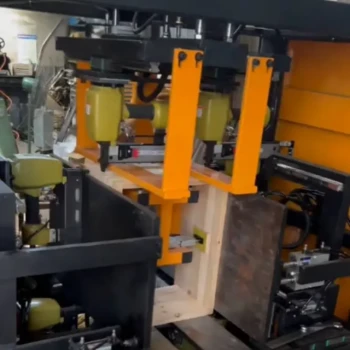
Professional hive-boxes utilize precision joinery and advanced sealing structures to eradicate these unnecessary gaps.
Preventing Egg Deposition
Pests such as syrphid flies are attracted to the scent of the colony and seek out external crevices to lay their eggs.
By ensuring the exterior is perfectly sealed, the hive design removes the physical sites necessary for these pests to reproduce, stopping an infestation before it begins.
Active Internal Protection
Integrated Physical Traps
Even with excellent sealing, some pests may enter through the main entrance used by the bees.
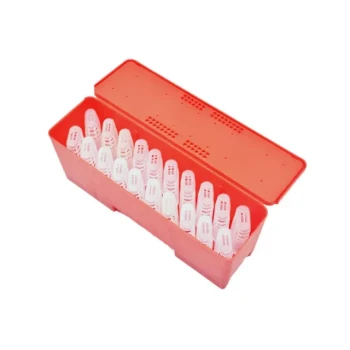
To counter this, specialized hives often integrate internal physical traps.
Exploiting Pest Behavior
These traps are designed to exploit the natural movement patterns of invaders like small hive beetles.
By capturing and killing these pests upon entry, the design creates a safety buffer that prevents them from reaching and damaging the vulnerable larvae deep within the colony.
Indirect Prevention Through Design
Minimizing Colony Disturbance
According to supplementary data, specialized hives are engineered to allow for low-impact access, such as the use of stainless steel spatulas for pollen extraction.
This design feature is critical for pest control because it minimizes structural damage to the nest during maintenance.
Reducing Attractants
When a colony structure is damaged, it releases strong scents of pollen and honey that attract pests.
By facilitating high-precision collection that leaves the nest structure intact, the hive design reduces the olfactory "beacon" that draws pests to the site.
Understanding the Trade-offs
Higher Initial Complexity
Precision joinery and integrated trap systems require more sophisticated manufacturing than basic wooden boxes.
This often results in a higher upfront cost and requires more technical skill if you are building the equipment yourself.
Trap Maintenance
Internal traps are not "set and forget" solutions; they require monitoring to ensure they remain effective.
If traps become full or blocked, they can lose their utility or, in worst-case scenarios, become a harbor for the very pests they are meant to eliminate.
Making the Right Choice for Your Apiary
When selecting or designing a hive-box, prioritize features based on your specific operational needs:
- If your primary focus is maximum colony survival: Prioritize hives with integrated internal traps to protect larvae from beetles that bypass the entrance guards.
- If your primary focus is frequent sampling or research: Select designs that accommodate specialized extraction tools, as minimizing nest damage is your best defense against attracting new pests.
A secure hive is the foundation of a healthy colony; invest in structure to reduce the need for intervention.
Summary Table:
| Defense Mechanism | Feature | Benefit |
|---|---|---|
| Physical Exclusion | Precision Joinery | Eliminates external gaps to prevent egg deposition by syrphid flies. |
| Active Defense | Integrated Internal Traps | Captures and kills small hive beetles before they reach larvae. |
| Low-Impact Design | Tool-Compatible Access | Minimizes nest damage during maintenance to reduce pest-attracting scents. |
| Structural Integrity | Airtight Sealing | Provides a dual-layer defense system against environmental intruders. |
Secure Your Apiary with Professional-Grade Equipment
Protecting your stingless bee colonies requires more than just a box; it requires a precision-engineered defense system. At HONESTBEE, we specialize in empowering commercial apiaries and distributors with the highest quality beekeeping tools and machinery.
Our specialized hive-making solutions and honey-processing equipment ensure your colonies remain pest-free and productive. From durable hardware to essential consumables, we provide everything needed to scale your operations efficiently.
Ready to upgrade your wholesale supply? Contact us today to discover how HONESTBEE can deliver the specialized tools and industrial machinery your business needs to succeed.
References
- Natasha Fijn, Marcus Baynes‐Rock. A Social Ecology of Stingless Bees. DOI: 10.1007/s10745-018-9983-0
This article is also based on technical information from HonestBee Knowledge Base .
Related Products
- Australian Langstroth Beehive Boxes for Beekeeping Wholesales
- High-Performance Langstroth Bee Hives for Global Professional Beekeeping
- Langstroth Honey Bee Box Hive Boxes for Different Depths
- Portable Bee Mating Hive Boxes Mini Mating Nucs 8 Frames for Queen Rearing
- Metal Bee Hive Stand Bee Box Stand for Beekeeping
People Also Ask
- What are the differences between the three standard depths of Langstroth boxes? Choose the Best Size for Your Apiary
- What are the primary advantages of using standardized Langstroth boxes? Scale Your Commercial Beekeeping Operation
- What role do standardized Langstroth boxes play in commercial apiary management and honey bee research? | HONESTBEE Guide
- How many beehive boxes are needed when starting a new hive? A Guide to Proper Hive Setup
- What are the disadvantages of using a combination of deep and medium boxes? Avoid Costly Incompatibility Issues