Systematic chemical disinfection is the cornerstone of apiary biosecurity, directly ensuring colony health by eliminating high-resistance pathogens like American Foulbrood (AFB) spores and European Foulbrood (EFB) from equipment surfaces. By utilizing professional-grade chemical agents on beehive interiors and tools, beekeepers effectively sever the horizontal transmission routes that allow diseases to spread between colonies, creating a sterile foundation for larval development and colony growth.
Core Takeaway: Systematic disinfection transforms beekeeping hardware from potential disease vectors into safe, hygienic environments. For distributors, providing a comprehensive portfolio of professional disinfection consumables alongside high-quality hive components is essential for supporting long-term apiary productivity and client success.
Eradicating Latent Pathogenic Reservoirs
Neutralizing Environmental Persistence
Pathogens such as Nosema spores and American Foulbrood exhibit extreme environmental resistance, often surviving for years on wooden hive walls and metal hardware. Professional chemical disinfection penetrates these surfaces to neutralize spores that traditional cleaning cannot reach.
Protecting Larval Development
A hygienic internal environment is critical during the brood-rearing phase. By removing pathogens lurking in recycled tools and old hive bodies, disinfection provides a sterile environment that significantly increases larval survival rates and prevents early-stage colony collapse.
Severing Mechanical Transmission Pathways
The Role of Beekeeping Tools as Vectors
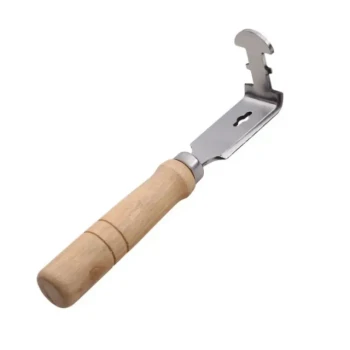
Hive scrapers, bee brushes, and inspection equipment are primary media for the horizontal transmission of diseases. Systematic disinfection of these tools between every hive inspection ensures that human intervention does not inadvertently spread viruses or parasites across the apiary.
Interrupting Parasite Cycles
Regular hygiene protocols help interrupt the life cycles of pests like small hive beetles and Varroa mites. Maintaining a clean hardware environment reduces the overall biological stress on the colony, allowing the bees’ natural immune systems to better resist secondary viral infections.
Enhancing Colony Resilience and Overwintering
Reducing Physiological Stress
A clean hive environment, free from residual pathogens and environmental pollutants, minimizes the stress levels of the bee colony. This metabolic relief is a key factor in enhancing the honeybees' natural immunity, making them more resilient against fluctuating environmental conditions.
Meeting Veterinary and Health Standards
Consistent disinfection is fundamental to meeting veterinary regulations and global bee health standards. For B2B resellers, offering equipment that is designed for easy sterilization helps commercial beekeepers maintain the high hygiene levels required for winter survival and honey certification.
Understanding the Trade-offs and Risks
Chemical Residue Management
While chemical disinfection is vital, the choice of agent is critical; improper use of non-professional grade chemicals can leave harmful residues. These residues may contaminate honey products or negatively impact the delicate microbiome of the bee colony if not managed correctly.
Material Compatibility and Longevity
Frequent chemical exposure can accelerate the wear of lower-quality beekeeping tools and hives. It is essential to source high-precision hardware manufactured with materials that can withstand rigorous, systematic sterilization protocols without compromising structural integrity.
Leveraging Expertise for Professional Results
Strategic Recommendations for Distributors
Selecting the right mix of disinfection consumables and hardware is vital for maintaining a competitive edge in the beekeeping supply market.
- If your primary focus is commercial apiary biosecurity: Prioritize a full-spectrum portfolio of professional-grade chemical disinfectants capable of neutralizing AFB spores.
- If your primary focus is hardware longevity: Sourcing hives and tools from manufacturers using precision machinery ensures equipment remains easy to clean and resistant to chemical corrosion.
- If your primary focus is rapid market response: Utilize partners with ultra-fast delivery and efficient fulfillment to ensure your clients have disinfection supplies before peak disease seasons.
By integrating systematic disinfection into a comprehensive equipment sourcing strategy, distributors empower beekeepers to maintain the highest standards of colony health and operational biosecurity.
Summary Table:
| Key Benefit | Mechanism of Action | Impact on Apiary Operations |
|---|---|---|
| Pathogen Eradication | Neutralizes AFB/EFB spores and Nosema on hardware. | Prevents long-term disease reservoirs in the apiary. |
| Transmission Control | Sterilizes hive scrapers, brushes, and inspection tools. | Stops horizontal disease spread between colonies. |
| Larval Protection | Provides a sterile environment for brood-rearing. | Increases larval survival rates and colony growth. |
| Stress Reduction | Minimizes biological pressure and parasite cycles. | Enhances natural immunity and overwintering success. |
| Regulatory Compliance | Meets international veterinary and health standards. | Essential for honey certification and export quality. |
Elevate Your Distribution Portfolio with HONESTBEE Biosecurity Solutions
As a distributor or B2B reseller, providing your clients with the tools to maintain a disease-free environment is critical for long-term loyalty and success. HONESTBEE is your premier partner for one-stop sourcing, offering a comprehensive wholesale range of professional beekeeping tools, specialized machinery, and essential consumables designed to withstand rigorous sterilization.
Why Partner with HONESTBEE?
- Full-Spectrum Portfolio: From honey-filling machines to chemical-resistant hive components and disinfection supplies.
- Competitive Edge: High profit margins and OEM/ODM support tailored to your market needs.
- Operational Excellence: Deep industry expertise combined with ultra-fast delivery and efficient order fulfillment.
- Reliable Support: Dedicated customer service to ensure your inventory is always ready for peak season demands.
Ready to strengthen your supply chain with high-precision beekeeping hardware and consumables? Contact us today to discuss wholesale opportunities and custom solutions!
References
- Tuktarov V.R., Ilyasova Z.Z.. STUDY OF THE BACTERICIDAL EFFECT OF QUINOLONS ON THE PATHOGENS OF THE EUROPEAN FOULDER ON BEE FAMILY FROM UNSUCCESSFUL APIERS. DOI: 10.31563/2308-9644-2023-48-2-580-591
This article is also based on technical information from HonestBee Knowledge Base .
Related Products
- Adjustable Formic and Acetic Acid Dispenser for Bee Mite Treatment
- Wooden Bee Brush with Double-Row Horsehair Bristles
- Stainless Steel Round Beehive Air Vents for Ventilation
- Wooden Bee Brush with Triple Row Artificial Fiber for Beekeeping
- Double Row Artificial Fiber Bee Brush for Beekeeping
People Also Ask
- How is the process regulation function of a Formic Acid Dispenser implemented? Achieve Safe, Effective Varroa Control
- Why is a specialized formic acid evaporator necessary? Ensure Safe & Effective Varroa Mite Treatment
- What role do Formic Acid Dispensers play in the biochemical control of Varroa mites? Precision Mite Management
- What is the primary function of a specialized evaporation dispenser? Master Formic Acid Varroa Control
- What is the function of specialized application devices for Varroa? Precision Control for Healthier Bee Colonies