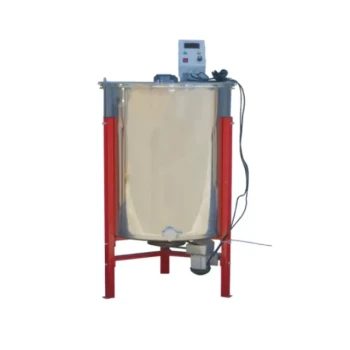
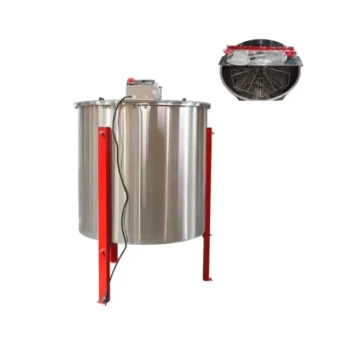
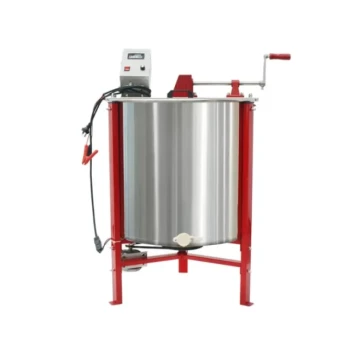
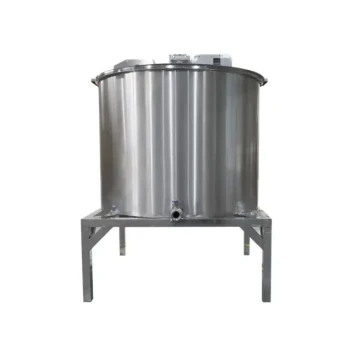
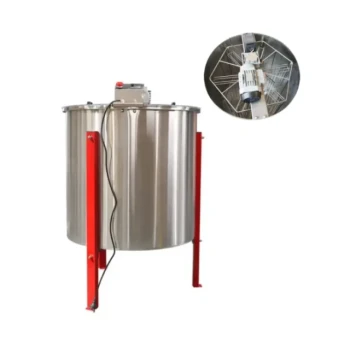
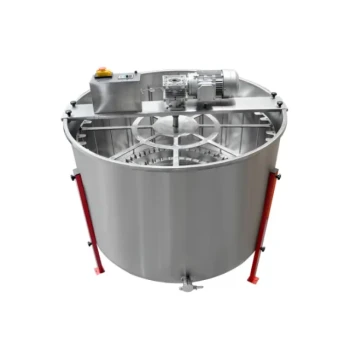
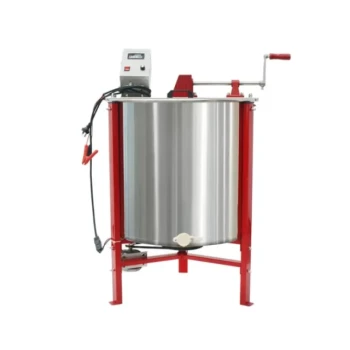
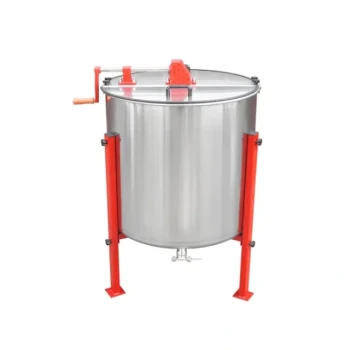
A centrifugal motorized honey extractor fundamentally transforms beeswax from a waste byproduct into a manageable asset. By utilizing high-speed rotational force, this equipment separates liquid honey from the frame without crushing or damaging the delicate honeycomb structure. This preservation allows beekeepers to return intact combs to the colony, significantly reducing the biological resources bees must expend on secreting new wax.
The core advantage of centrifugal extraction is the decoupling of honey harvest from comb destruction. By preserving the structural integrity of the comb, you minimize the colony's metabolic energy debt and gain the flexibility to implement a strategic beeswax recycling program.
The Mechanics of Wax Preservation
Non-Destructive Separation
Unlike traditional pressing or crushing methods, a centrifugal extractor uses rotational force to spin honey out of the cells. The primary benefit of this mechanism is that the wax foundation and cell walls remain structurally sound throughout the process.
Reducing Colony Energy Expenditure
Beeswax secretion is a metabolically expensive process for worker bees, requiring the consumption of significant amounts of honey and pollen. By returning intact combs to the hive, you eliminate the need for bees to rebuild the entire storage infrastructure.
Enhancing Colony Focus
When bees are relieved of the burden of rebuilding combs, their energy is redirected toward foraging and honey production. This shift in labor allocation directly contributes to higher overall hive productivity.
Strategic Resource Management
Enabling Systematic Comb Reuse
The immediate benefit of using a centrifugal extractor is the ability to cycle combs back into the hive for immediate refilling. This reuse cycle is critical for maximizing honey yields during short flow seasons when speed is essential.
Implementing a Recycling Program
The most sophisticated aspect of beeswax management with this tool is the ability to choose which combs to retire. Because you are not forced to destroy combs to harvest honey, you can selectively target only the oldest, darkest combs for rendering into pure beeswax blocks.
Optimization of Wax Quality
By establishing a planned recycling program, you ensure that the wax you do harvest is processed intentionally rather than as a chaotic byproduct. This allows for better management of the hive's internal hygiene and the quality of the wax harvested.
Understanding the Operational Trade-offs
Maintenance and Hygiene Requirements
While the extractor preserves wax, it introduces a requirement for strict hygiene management. Professional extractors create a closed or semi-closed processing chain, which minimizes external contamination but requires a sufficient water supply for thorough rinsing and disinfection between batches.
Managing Cross-Contamination
Because combs are reused rather than destroyed, there is a potential risk of carrying pathogens back to the hive if equipment is not properly sanitized. Utilizing the cleaning capabilities of modern extractors is essential to prevent honey fermentation and microbial cross-contamination.
Making the Right Choice for Your Goal
Ideally, your extraction method should align with your specific production targets.
- If your primary focus is Maximum Honey Yield: Prioritize the immediate return of extracted, wet combs to the super, allowing bees to refill them without expending energy on new wax secretion.
- If your primary focus is Sustainable Wax Production: Use the extractor to preserve the colony's core structure, but systematically cull and render the oldest 10-20% of your combs annually to maintain clean wax resources.
By using centrifugal force to protect the honeycomb, you transform the extraction process from a destructive harvest into a sustainable cycle that benefits both the beekeeper and the colony.
Summary Table:
| Feature | Impact on Wax Management | Benefit to Beekeeping |
|---|---|---|
| Centrifugal Force | Separates honey without destroying cell walls | Preserves intact combs for reuse |
| Non-Destructive Harvest | Reduces need for wax secretion (metabolic debt) | Increases honey foraging and production |
| Strategic Recycling | Enables selective culling of old/dark combs | Improves hive hygiene and wax quality |
| Operational Efficiency | Decouples honey harvest from comb destruction | Speeds up hive turnover during honey flows |
Elevate Your Beekeeping Operation with HONESTBEE
At HONESTBEE, we specialize in empowering commercial apiaries and distributors with high-performance beekeeping machinery. Our professional-grade centrifugal motorized honey extractors are designed to maximize your honey yield while preserving your valuable beeswax assets for sustainable colony management.
Whether you need specialized hive-making machines, precision honey-filling equipment, or a full suite of beekeeping tools and consumables, HONESTBEE provides the wholesale solutions you need to scale your business.
Ready to optimize your production and protect your colony's resources?
Contact Us Today to Discuss Your Wholesale Needs
References
- Tesfu Shegaw, Desalegne Begna. Assessment on Beeswax Production, Processing and Marketing in Selected Districts of Kafa Zone, Southern Nations Nationalities and Peoples Region (SNNPR), Ethiopia. DOI: 10.7176/fsqm/119-03
This article is also based on technical information from HonestBee Knowledge Base .
Related Products
- Manual Hand Crank 4 Frame Honey Extractor Centrifuge for Beekeeping
- electric honey extractor honey centrifuge 3 frame honey extractor stainless steel honey frame extractor
- Professional 4 Frame Self Reversing Electric Honey Extractor for Beekeeping
- Commercial Electric 12 Frame Honey Extractor Spinner Motorized Honey Extractor
- 8-Frame Electric Self-Reversing Honey Extractor Spinner for Commercial Honey Extraction Equipment
People Also Ask
- What are some tips for achieving efficient honey extraction with a centrifuge extractor? Maximize Your Yield & Efficiency
- What is the proper procedure for maintaining a centrifuge honey extractor? Expert Tips for Longevity and Hygiene
- What are the advantages of using a centrifuge honey extractor? Maximize Yields and Protect Your Honeycombs
- Which type of honey extractor is generally more durable? Focus on Material & Build Quality for Longevity
- What is a manual honey extractor? The Essential Guide to Cost-Effective Beekeeping for Beginners