Maximizing honey yield while preserving your equipment requires a balance of careful preparation and precise machine operation. Efficient extraction is not simply about spinning frames as fast as possible; it is about managing the workflow to ensure thoroughness and honeycomb integrity.
Core Takeaway True efficiency in centrifugal extraction lies in preserving the drawn comb while removing the honey. By extracting gently enough to keep the wax structure intact, you allow bees to reuse the combs, which significantly reduces their energy expenditure and shortens the production cycle for the next harvest.
Optimizing the Extraction Process
Selecting the Right Frames
To ensure the highest quality output, prioritize fully capped honeycombs.
Extracting from uncapped or unripe frames can introduce excess moisture, which may spoil the harvest. Capped frames indicate the honey is mature and ready for processing.
Proper Preparation and Loading
Before the frames enter the centrifuge, you must ensure they are clean and accessible.
Use a heated knife or uncapping fork to remove the wax caps from the cells. Additionally, use a bee brush to gently wipe away any lingering bees to keep the honey free of impurities.
When loading the extractor, place the frames vertically into the basket. Ensure the load is balanced; an imbalanced centrifuge can wobble dangerously and damage the machine.
Managing Speed and Direction
The speed of the rotation dictates the force applied to the honey.
Avoid the temptation to immediately spin at maximum velocity. Start at a suitable, moderate speed to begin the flow without stressing the wax.
For thorough extraction, the direction of the spin matters. Spin the frames for 5 to 6 minutes in one direction. Once complete, reverse the spin direction (or manually flip the frames if using a tangential extractor) to clear the opposite side of the comb.
Utilizing Gravity
Gravity can be a powerful ally in the extraction process.
Tilting the frames during the spin allows gravity to assist the centrifugal force. This technique helps pull the honey out of the angled cells more effectively than rotational force alone.
Common Pitfalls and Trade-offs
The Risk of Excessive Speed
While high speeds extract honey faster, there is a significant trade-off regarding comb integrity.
Spinning the extractor at excessive speeds can cause "blowouts," where the wax comb fractures under pressure. This defeats the primary advantage of using a centrifuge, which is preserving the drawn comb for reuse.
Overloading the Machine
Efficiency often tempts users to process as many frames as possible at once.
However, overloading the extractor can prevent proper rotation and lead to uneven extraction. It is more efficient to run smaller, well-balanced batches than to crowd the machine and risk mechanical failure or poor results.
Maintenance vs. Contamination
A neglected machine can ruin an entire harvest.
After every use, disassemble the equipment and wash it with warm soapy water. Store the extractor in a dry, cool environment to prevent rust, mold, and bacterial growth that could contaminate future batches.
Making the Right Choice for Your Goal
To get the most out of your extraction session, align your technique with your priorities:
- If your primary focus is Speed and Volume: Prioritize a consistent workflow where frames are uncapped and ready to load immediately as the previous batch finishes, but never overload the machine.
- If your primary focus is Colony Health and Sustainability: Keep the centrifuge speed moderate to ensure the drawn comb remains perfectly intact, saving your bees the energy required to rebuild wax.
By respecting the mechanics of the centrifuge and the biology of the hive, you ensure a harvest that is both efficient and sustainable.
Summary Table:
| Tip Category | Action Item | Key Benefit |
|---|---|---|
| Preparation | Use heated knives & uncapping forks | Ensures clean honey release and preserves comb |
| Loading | Balance frames vertically | Prevents machine wobble and mechanical damage |
| Operation | Start at moderate speeds | Avoids "blowouts" and keeps wax structure intact |
| Technique | Reverse direction & tilt frames | Maximizes honey recovery from angled cells |
| Maintenance | Wash with warm soapy water | Prevents contamination and extends machine life |
Scale Your Honey Production with HONESTBEE
At HONESTBEE, we understand that for commercial apiaries and distributors, efficiency is the backbone of profitability. Whether you are looking to upgrade your extraction line or stock high-quality consumables for your customers, we provide the industrial-grade solutions you need.
Our comprehensive wholesale portfolio includes:
- Advanced Machinery: Precision honey-filling machines and heavy-duty hive-making equipment.
- Beekeeping Tools: A full spectrum of professional hardware, from uncapping tools to high-capacity centrifuge extractors.
- Industry Consumables: Every essential item required to maintain a thriving beekeeping operation.
Ready to optimize your harvest? Contact us today to discuss our wholesale offerings and discover how HONESTBEE can streamline your production from hive to honey jar.
Related Products
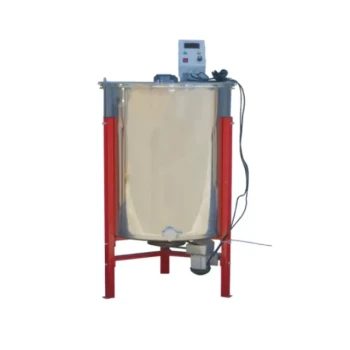
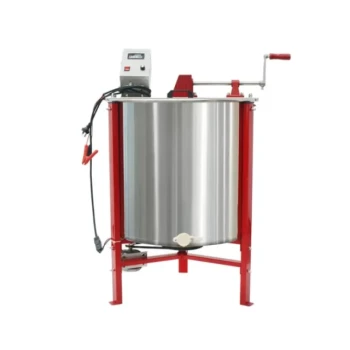
- Manual Hand Crank 4 Frame Honey Extractor Centrifuge for Beekeeping
- electric honey extractor honey centrifuge 3 frame honey extractor stainless steel honey frame extractor
- Professional 4 Frame Self Reversing Electric Honey Extractor for Beekeeping
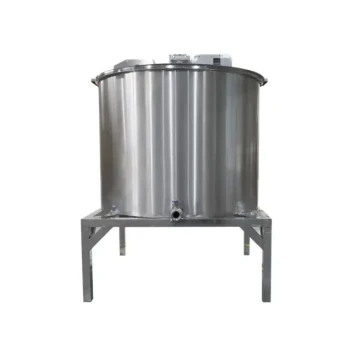
- HONESTBEE 72 Frame Industrial Electric Honey Extractor for Beekeeping
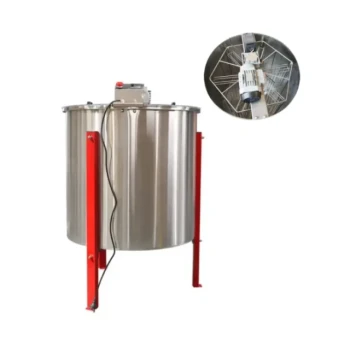
- HONESTBEE 6 Frame Self Reversing Electric Honey Extractor for Beekeeping
People Also Ask
- What is the proper procedure for maintaining a centrifuge honey extractor? Expert Tips for Longevity and Hygiene
- What are the advantages of using a centrifuge honey extractor? Maximize Yields and Protect Your Honeycombs
- Which type of honey extractor is generally more durable? Focus on Material & Build Quality for Longevity
- What is a manual honey extractor? The Essential Guide to Cost-Effective Beekeeping for Beginners
- Why are manual extractors popular among beginner beekeepers? A Guide to Starting Simple & Saving Money