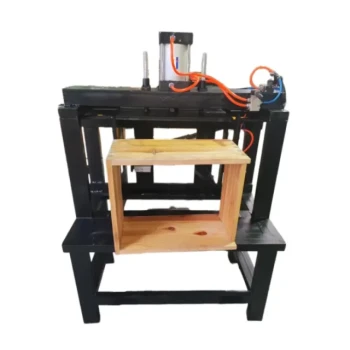
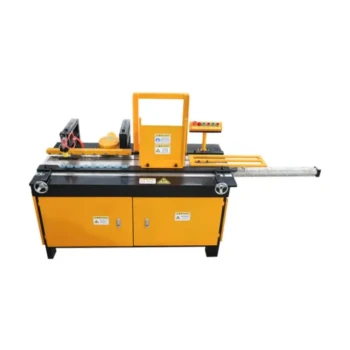
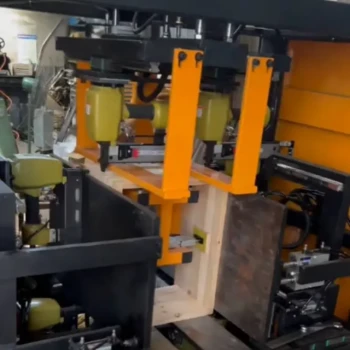
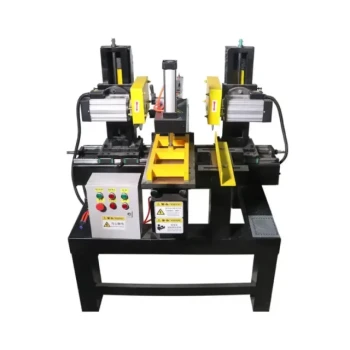
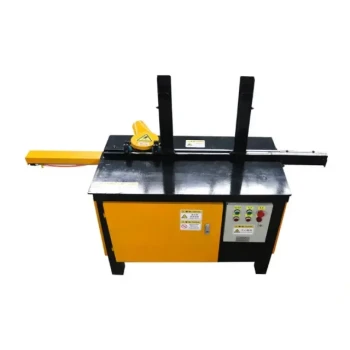
Specialized hive-making machinery drives the modernization of the beekeeping industry by enabling the mass production of standardized, high-precision components. By ensuring every hive part meets exact specifications, these machines establish the hardware infrastructure required for equipment interchangeability, large-scale management, and automated honey harvesting.
The widespread adoption of industrial beekeeping relies on the ability to treat hives as modular units rather than individual crafts. Specialized machinery guarantees the structural precision necessary for mechanized extraction, rapid apiary scaling, and cost-effective maintenance.
The Role of Standardization in Scalability
Achieving True Component Interchangeability
The primary contribution of this machinery is the production of uniform specifications across thousands of units.
Unlike manual construction, which often results in slight variations, machine-made components ensure a precise fit every time. This allows beekeepers to swap frames and boxes between different hives seamlessly, which is a prerequisite for managing large apiaries efficiently.
Enabling Mechanized Harvesting
Modern honey extraction relies on automation, such as uncapping machines and radial extractors.
These automated systems require hives and frames to have identical dimensions to function correctly. Specialized hive-making machinery provides the consistent hardware infrastructure that makes this subsequent mechanization possible.
Improving Durability and Fit
Machine-processed joints and cuts are tighter and more consistent than those made by hand.
This precise fit enhances the overall structural stability of the equipment. Durable equipment withstands the rigors of transport and mechanized handling, extending the lifespan of the hardware investment.
Precision and Biological Efficiency
Maintaining the Critical "Bee Space"
One of the most vital technical contributions of this machinery is the strict maintenance of "bee space"—the specific gap required for bees to move freely.
If this space is inaccurate, bees will fill gaps with wild wax (burr comb) or glue parts together with propolis. Specialized machinery achieves the high tolerances needed to preserve this space, ensuring frames remain mobile and minimizing disturbance to the colony during inspections.
Reducing Maintenance Labor
By preventing the buildup of excess propolis and wild wax, machine-made hives significantly reduce the labor required for hive maintenance.
Apiary managers spend less time scraping frames and cleaning boxes. This efficiency gain allows fewer workers to manage a larger number of colonies, directly boosting the operational capacity of the business.
Economic and Logistical Advantages
Rapid Expansion and Scalability
High-efficiency cutting technologies significantly reduce the manufacturing cycle and labor costs per unit.
This allows beekeeping operations to respond quickly to market demands. When a producer needs to expand their raw production capacity, machinery enables the rapid fabrication of new hives without the bottleneck of manual carpentry.
Localized Production and Self-Sufficiency
Specialized machinery allows operators to process hives using local materials tailored to specific climates.
This capability reduces procurement costs and dependence on external suppliers. It supports a self-sufficient, circular economy model where beekeepers can control their supply chain and reduce overhead.
Understanding the Trade-offs
The Risk of Systemic Error
While machinery ensures consistency, it also amplifies errors. If a machine is calibrated incorrectly, every component produced will be flawed.
This can lead to large batches of incompatible equipment that waste materials and disrupt operations. Rigorous quality control protocols are essential to prevent systemic manufacturing failures.
Capital Intensity vs. Labor Costs
Transitioning to specialized machinery requires a significant upfront capital investment.
While this reduces long-term labor costs, small-scale operations may find the initial financial barrier prohibitive compared to purchasing finished equipment or building manually.
Making the Right Choice for Your Goal
Whether you are manufacturing equipment or managing an apiary, understanding the impact of precision machinery is critical for growth.
- If your primary focus is Commercial Scaling: Prioritize machinery that guarantees 100% interchangeability to facilitate automated harvesting and rapid colony rotation.
- If your primary focus is Operational Efficiency: Focus on the precision of the "bee space" dimensions to minimize frame cleaning and colony disturbance.
- If your primary focus is Cost Control: Leverage machinery to utilize local timber resources, reducing your dependence on expensive, imported hive bodies.
Standardization is not just about convenience; it is the technical threshold that separates hobbyist beekeeping from modern industrial agriculture.
Summary Table:
| Contribution Area | Key Benefit | Impact on Operations |
|---|---|---|
| Standardization | Component Interchangeability | Allows seamless swapping of frames/boxes across large apiaries. |
| Precision | Maintaining 'Bee Space' | Prevents burr comb and propolis buildup, reducing maintenance labor. |
| Automation | Mechanized Harvesting Compatibility | Provides uniform dimensions required for automated extraction systems. |
| Economics | Rapid Scalability | Reduces manufacturing cycles and labor costs per unit for expansion. |
| Durability | Structural Stability | Tighter machine-cut joints extend the lifespan of hardware investments. |
Elevate Your Commercial Apiary with HONESTBEE
Transitioning to industrial-scale beekeeping requires more than just tools—it requires precision engineering. At HONESTBEE, we empower commercial apiaries and distributors with the hardware infrastructure needed for modern success. From high-precision hive-making machinery and honey-filling machines to a full spectrum of specialized beekeeping tools and industry consumables, we provide everything you need to scale efficiently.
Our value to you:
- Total Solutions: Access the complete range of beekeeping equipment from a single, reliable source.
- Industry Expertise: We cater specifically to the high-volume needs of distributors and large-scale operations.
- Market Growth: Enhance your operational efficiency and expand your product portfolio with our honey-themed cultural merchandise.
Ready to modernize your production and maximize your yield? Contact HONESTBEE today to discuss our comprehensive wholesale offerings!
References
- E. Yuyu Zaman, M. Joy Abdul. Contribution of Beekeeping and Honey Production to Household Income in Igabi Local Government Area of Kaduna State, Nigeria. DOI: 10.5281/zenodo.3991692
This article is also based on technical information from HonestBee Knowledge Base .
Related Products
- High-Efficiency Pneumatic Bee Hive Making Machine for Rapid Box Assembly
- Beehive Handle and Frame Rest Cutting Machine: Your Specialized Hive Machine
- Mini Desktop Bee Hive Frame Forming Making Machine
- Automatic High-Speed Bee Hive Box Stapling Machine
- Beehive Machine Double End Saw for Precision Hive Component Manufacturing
People Also Ask
- How does the introduction of professional beehive-making machinery benefit sustainable beekeeping? Scale Your Apiary
- Why is specialized beehive-making machinery critical for low-defense breeding? Enhance Selection with Precision Tools
- How does the introduction of specialized beehive making machinery contribute to increasing the scale of regional beekeeping industries?
- What is the importance of specialized beehive making machinery in a circular bio-economy? Build Local Sustainability
- Why is specialized beehive-making machinery essential? Scale Your Apiary with Precision Industrial Standards