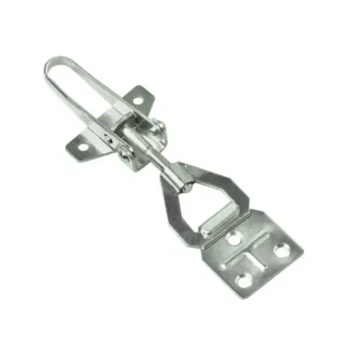
Specialized honeybee transport equipment serves as the logistical engine of the migratory beekeeping model. It enables the rapid, scalable relocation of massive numbers of hives to geographic areas with active blooming seasons. By physically moving colonies to follow nectar flows, commercial beekeepers can bypass local resource scarcity, thereby maintaining continuous production and significantly boosting honey yield per hive.
By transforming the apiary from a static asset into a mobile operation, transport equipment eliminates the "downtime" caused by local floral dearths. This ensures hives are constantly productive, maximizing the return on investment for commercial operations.
The Economic Logic of Mobility
Eliminating Resource Scarcity
In a static beekeeping model, production is limited by the local environment. When local flowers fade, honey production stops.
Specialized transport allows beekeepers to circumvent this limitation. By relocating hives to regions where nectar sources are just beginning to peak, the apiary avoids periods of floral scarcity.
This creates a continuous production cycle rather than a seasonal one.
Maximizing Yield Per Hive
The primary economic metric for a commercial apiary is the yield per hive.
Transport equipment allows a single colony to harvest from multiple "honey flows" in a single year.
Instead of one harvest season, a migratory hive may have three or four. This multiplication of harvest windows directly increases the revenue generated by each biological unit.
Strategic Resource Allocation
Effective use of transport equipment relies heavily on a honeybee floral calendar.
This calendar acts as a strategic map, identifying major flow periods and dearth periods across different regions.
Transport vehicles allow managers to execute this strategy, deploying hives exactly when and where nature offers the highest return on labor and capital.
Understanding the Operational Trade-offs
Increased Overhead Costs
While mobility increases revenue, it also introduces significant operational costs.
Fuel, vehicle maintenance, and labor for loading and unloading can cut into profit margins. The economic efficiency depends on the increased yield outweighing these logistical expenses.
Biological Stress on Colonies
Transport is physically stressful for bees.
Vibration, temperature changes, and confinement during transit can weaken colonies if not managed correctly.
Beekeepers must balance the economic need for relocation with the biological need for colony stability, often requiring additional tools and consumables to maintain health during moves.
Making the Right Choice for Your Goal
To maximize the value of transport equipment, align your logistics with your specific business objectives.
- If your primary focus is maximizing total volume: Prioritize routes based strictly on the intensity of nectar flows identified in your floral calendar, regardless of distance.
- If your primary focus is margin and efficiency: Select migration routes that offer moderate nectar flows with minimal travel distance to reduce fuel and labor overhead.
Ultimately, specialized transport equipment converts a local agricultural limitation into a scalable opportunity, allowing your operation to pursue efficiency wherever it blooms.
Summary Table:
| Economic Driver | Impact on Efficiency | Strategic Benefit |
|---|---|---|
| Resource Scarcity | Eliminates 'downtime' | Continuous production cycle across regions |
| Yield per Hive | Multiplies harvest windows | Higher revenue per colony via multiple flows |
| Logistics Management | Strategic colony deployment | Data-driven placement using floral calendars |
| Scalability | Moves massive hive numbers | Rapid expansion into high-potential bloom areas |
Scale Your Apiary Operations with HONESTBEE
Maximize your commercial efficiency by transforming your static hives into a high-yield mobile operation. As a dedicated partner to commercial apiaries and distributors, HONESTBEE provides the robust infrastructure you need to succeed in migratory beekeeping.
We offer a comprehensive wholesale range, including:
- Heavy-duty transport and loading machinery designed for rapid hive relocation.
- Precision honey-filling and hive-making machines to streamline your processing.
- Essential industry consumables and specialized hardware to maintain colony health during transit.
Ready to eliminate seasonal downtime and boost your honey production? Contact us today to discover how our wholesale tools and equipment can optimize your logistics and grow your business.
References
- Panuwan Chantawannakul, Siriwat Wongsiri. Conservation of honey bee species in South East Asia:<i>Apis mellifera</i>or native bees?. DOI: 10.1080/14888386.2004.9712726
This article is also based on technical information from HonestBee Knowledge Base .
Related Products
- Plastic Transporting Bee Packages and Nuc Boxes for Beekeeping
- Plastic Beekeeping Honey Bee Larvae Grafting Tools for Queen Rearing and Chinese Grafting
- Professional Queen Bee Introduction and Transport Cage
- Professional Queen Cage with Sliding Gate and Feeder Plug
- JZBZ Style Professional Battery Box with 20 Shipping Cages
People Also Ask
- What role do bee package boxes play in the commercial transport and expansion of honeybee colonies? - Logistic Essentials
- What are beekeeping boxes called? A Guide to Hive Bodies and Box Types
- How do standardized bee packages serve as a recovery mechanism for commercial beekeeping? Ensure Business Continuity
- What is the commercial value of using standardized bee packages? Drive Scalability in Large-Scale Apiaries
- Why is the timely introduction of high-quality bee packages critical? Save Your Apiary from Asian Hornet Invasions