Supplemental feeding serves as a critical biological bridge regarding colony management during periods of environmental scarcity. By introducing nutritional interventions such as sugar syrup or pollen patties when natural resources fail, you ensure the colony maintains the energy reserves and population density necessary to survive and thrive.
Supplemental feed acts as a strategic lever, decoupling the colony’s survival from the immediate availability of natural forage. This ensures a peak foraging workforce is available exactly when natural blooms return, prioritizing long-term productivity over mere short-term survival.
Maintaining Vitality During Scarcity
Preventing Colony Collapse
When natural nectar and pollen sources are depleted due to seasonal changes or land-use issues, colonies face the immediate risk of starvation. Without intervention, this resource gap can lead to rapid population decline or cause the bees to abscond (abandon the hive) in search of better resources.
Ensuring Continuous Brood Rearing
The primary goal of supplemental feeding is to maintain the Queen’s egg-laying consistency. If the colony perceives a famine, the Queen may reduce or stop laying eggs to conserve resources.
By providing pollen patties or substitutes (such as soy flour), you signal to the colony that resources are abundant. This allows the colony to maintain normal metabolic and brood-rearing activities even during forage-poor periods.
Optimization for Honey Production
Synchronizing Population with Nectar Flows
According to production models, the key to maximizing honey output is having a massive workforce ready before the main nectar flow begins. Natural buildup often lags behind the bloom if early spring resources are scarce.
Supplemental feeding bridges this timing gap. By stimulating population growth early, the apiary ensures a sufficient number of foraging bees are mature and ready to capitalize immediately on peak collection periods.
Seasonal Energy Management
Different seasons require specific nutritional strategies. During late autumn or winter, high-concentration sugar syrup (typically at a 2:1 ratio) provides the essential carbohydrate energy needed for thermoregulation and survival.
Conversely, during dry seasons or pre-flow periods, lighter syrups and protein supplements focus on brood expansion. This maintenance ensures the continuity of the honey supply chain by keeping the colony robust enough to exploit specific crops like rapeseed or lychee.
Operational Considerations and Trade-offs
Equipment Dependency
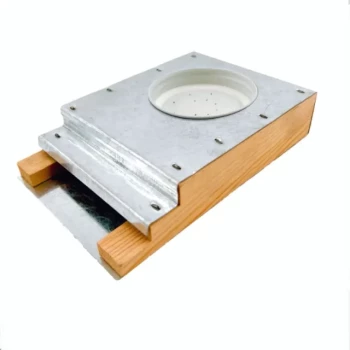
Effective supplemental feeding requires specialized infrastructure. Beekeepers must utilize internal devices such as frame feeders or top feeders to deliver nutrients directly to the hive's core.
While effective, this adds a layer of operational complexity. You must manage the logistics of mixing feeds (like industrial-grade sugar) and maintaining equipment to ensure precise delivery without inducing robbing behavior from other hives.
The Artificiality Factor
While essential for management, artificial feed is a substitute for, not a perfect replica of, natural forage. It is a tool to bridge gaps caused by climate change or poor weather, specifically designed to prevent loss rather than permanently replace natural diverse nutrition.
Making the Right Choice for Your Goal
To effectively manage your colonies, align your feeding strategy with your immediate objective:
- If your primary focus is Winter Survival: Utilize high-concentration sugar syrup (2:1 ratio) to build up heavy carbohydrate reserves that sustain the colony through extreme cold and dormant periods.
- If your primary focus is Honey Production: Administer pollen patties and syrup before the main bloom to stimulate brood rearing, ensuring a peak population of foragers is ready when the nectar flows.
Successful beekeeping relies on anticipating the colony's needs weeks in advance, using supplemental feed to smooth out the volatility of nature.
Summary Table:
| Feeding Goal | Recommended Supplement | Primary Benefit |
|---|---|---|
| Winter Survival | High-concentration sugar syrup (2:1) | Provides energy for thermoregulation |
| Brood Stimulation | Pollen patties / Protein substitutes | Maintains Queen egg-laying during scarcity |
| Spring Build-up | Light sugar syrup (1:1) | Prepares foragers for upcoming nectar flows |
| Scarcity Prevention | Internal frame/top feeders | Prevents starvation and hive absconding |
Scaling Your Beekeeping Operations? Partner with HONESTBEE
Maintaining strong colonies through seasonal gaps requires more than just feed—it requires the right infrastructure. HONESTBEE specializes in supporting commercial apiaries and distributors with a comprehensive range of professional beekeeping tools and machinery.
Whether you need precision honey-filling machines, durable hive-making equipment, or essential wholesale consumables, our portfolio is designed to enhance your efficiency and long-term profitability.
Maximize your honey production and secure your supply chain with our industry-leading solutions.
Contact HONESTBEE Today for Wholesale Inquiries
References
- Yidiat O. Aderinto, T O Aliu. Optimization of Honey Bee Production. DOI: 10.46300/9101.2020.14.13
This article is also based on technical information from HonestBee Knowledge Base .
Related Products
- In-Hive Dual Compartment Frame Bee Feeder for Targeted Colony Nutrition
- HONESTBEE Entrance Bee Feeder Professional Hive Nutrition Solution for Beekeeping
- HONESTBEE Professional Entrance Bee Feeder Hive Nutrition Solution
- HONESTBEE Round Hive Top Bee Feeder for Syrup
- Rapid Bee Feeder White Plastic 2L Round Top Feeder for 8 or 10-Frame Bee Hives
People Also Ask
- What are the advantages of using a frame feeder for bee colonies? Boost Growth and Prevent Robbing Efficiently
- Why should sugar syrup or dry sugar not be left out in the open when feeding bees? Avoid a Dangerous Feeding Frenzy
- What precautions should be taken when feeding bees inside the hive? Safeguard Your Colony from Robbing and Leaks
- How do in-hive feeders support honey bee colonies during autumn? Ensure Overwintering Success for Your Apiary
- How do high-quality in-hive feeders assist in managing bee colonies during pesticide contamination? Protect Your Apiary