Moving from traditional hives to standardized frame hives can materially increase commercial apiary yield, control, and scalability. Traditional bamboo, clay, branch, or log hives make inspection and non-destructive harvesting difficult, while modern frame hives provide removable combs, better colony management, and cleaner extraction. Reported yields vary by bee race, forage, climate, and management, but the references indicate that traditional yields are often below 10 kg per hive annually, while well-managed modern systems can approach 20 kg or more, with higher results possible in strong production regions.
The main gain is not the box alone; it is the management system enabled by removable frames. A commercial apiary needs standardized hives, frames and foundation, inspection and protection tools, hive-making capacity, and suitable honey-processing equipment to convert improved colony control into consistent marketable output.
Why Frame Hives Improve Commercial Apiary Performance
Removable frames enable routine inspection
Traditional hives generally restrict access to the colony and its comb. Beekeepers may have to disturb or destroy the structure to assess brood, food stores, queen performance, pests, or disease.
Modern frame hives allow individual frames to be removed and inspected. This supports earlier intervention and more systematic decisions about feeding, swarm control, colony strength, and hive placement.
Non-destructive harvesting protects colony productivity
In many traditional systems, honey extraction damages or removes comb. The colony must then rebuild it, consuming time and stored energy that could otherwise support brood production or honey collection.
With moveable frames, honey can be harvested while preserving the established comb structure. This reduces disruption and allows colonies to return more quickly to productive activity.
Better swarm and colony management supports yield
Frame access makes it easier to identify overcrowding, queen problems, weak colonies, and developing swarm conditions. Commercial beekeepers can then divide, combine, requeen, or reposition colonies according to operating needs.
These interventions help reduce avoidable colony losses and maintain a more uniform population across the apiary. Yield improvements therefore come from active management, not simply from replacing one hive body with another.
Standardization improves operational consistency
Traditional hives vary widely in size, shape, materials, and internal dimensions. That variation complicates inspection, equipment compatibility, transport, replacement, and harvesting.
Standardized frame hives create repeatable operating units. The same frame dimensions, supers, covers, tools, and extraction methods can be used across a larger apiary, making training and workflow more efficient.
What Yield Improvement Should a Commercial Apiary Expect?
Use yield ranges as planning benchmarks
The supplied references describe traditional hive yields commonly below 10 kg per hive per year, with some examples near 5.6–7 kg. Modern frame-hive results are described around 10.8–20 kg or more on average, with high-performing regions reporting figures approaching 35–45 kg per hive annually.
These numbers should not be treated as guaranteed outcomes. Forage availability, weather, bee genetics, disease pressure, colony strength, seasonal timing, and beekeeper skill can produce major differences between apiaries.
Separate hive potential from management performance
A modern hive provides access and standardization, but it does not automatically create a strong colony or abundant nectar supply. Poor inspection routines, incorrect spacing, inadequate pest control, or weak seasonal preparation can erase much of the expected benefit.
The most reliable comparison is therefore based on output per healthy colony under comparable forage and management conditions. Track yield, colony survival, comb replacement, labor time, and honey quality before and after conversion.
Quality and marketability also improve
Modern frame systems support cleaner separation of honey from brood areas and make harvesting more controlled. This improves sanitation and helps produce more uniform honey and beeswax for commercial buyers.
For distributors and wholesalers, the value extends beyond kilograms per hive. Standardized equipment can help customers meet more consistent processing, packaging, and market-quality requirements.
Equipment Required for the Transition
Standardized hive bodies and components
A commercial conversion normally begins with complete modern frame hives, such as standardized box-hive systems. The package should be selected around a consistent frame and hive format so replacement parts remain interchangeable.
Core components typically include:
- Hive bodies or brood boxes
- Honey supers
- Inner covers and outer covers
- Bottom boards and hive stands
- Entrance reducers or related entrance components
- Standardized frames
- Foundation sheets or suitable foundation-support components
The exact configuration depends on the selected hive design and local operating practices. The key purchasing principle is system compatibility, not isolated component price.
Frames and foundation
Frames provide the removable structure that distinguishes modern hives from traditional fixed-comb systems. Foundation sheets guide comb construction and help maintain consistent comb spacing.
Commercial apiaries should plan for more than the number of frames installed in active colonies. Additional frames are needed for replacement, expansion, seasonal management, damaged equipment, and honey-processing cycles.
Hive-making machinery
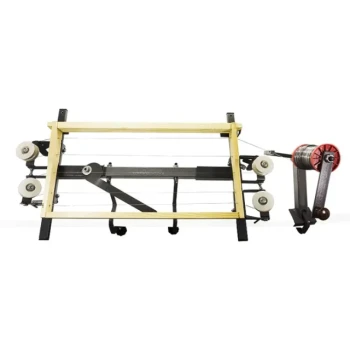
Where local production or large-volume supply is required, specialized hive-making machinery can support repeatable dimensions and faster output. This may include equipment for cutting, shaping, drilling, assembling, and finishing wooden hive components and frames.
For distributors and resellers, machinery should be evaluated alongside consumable and replacement-part availability. A machine that produces standardized components efficiently is more valuable than one that cannot be supported with dependable technical service or spare parts.
Inspection and colony-management tools
Modern frame hives require a practical field toolkit for safe, repeatable management. Essential items include:
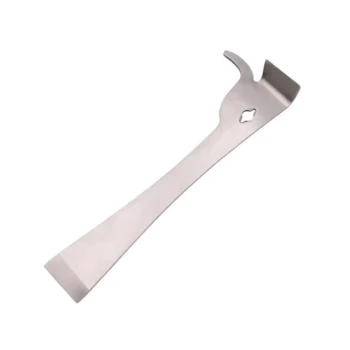
- Hive tools for separating and lifting frames
- Smokers and suitable fuel
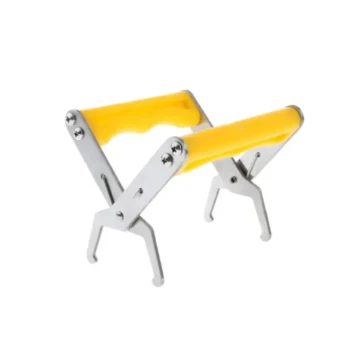
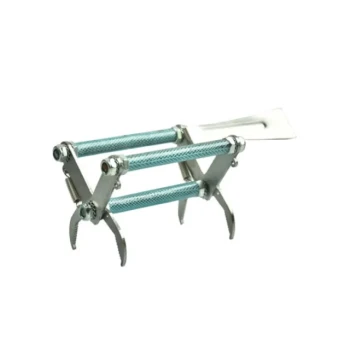
- Frame grips or lifting aids where appropriate
- Feeders when supplemental feeding is part of the management plan
- Queen-marking or queen-management accessories as required
- Pest and disease-monitoring supplies
These tools allow the beekeeper to use the access provided by the frame system. Without them, the apiary may own modern equipment but still operate with limited inspection capability.
Protective equipment
Personal protective equipment is necessary for routine inspections, harvesting, and training. A commercial setup should typically include:
- Protective bee suits or jackets
- Veils or integrated head protection
- Gloves
- Protective boots or suitable footwear
For wholesalers, supplying protective equipment with hive packages creates a more complete conversion solution. It also reduces the risk that new users delay inspections because they lack basic protection.
Honey harvesting and processing equipment
Frame hives make controlled extraction possible, but the apiary must also have the equipment to process the crop efficiently. Depending on scale, this can include:
- Uncapping knives or uncapping tools
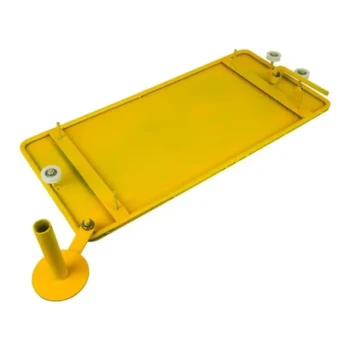
- Uncapping trays or workstations
- Honey extractors
- Strainers or filters
- Food-grade settling or storage tanks
- Honey pumps or transfer equipment
- Containers and packaging equipment
Processing capacity should match the number of colonies and the expected peak harvest volume. A large apiary with insufficient extraction capacity can create bottlenecks, storage delays, and unnecessary labor costs.
How to Plan a Commercial Conversion
Start with a compatible hive standard
Select one frame and hive format before purchasing at scale. Mixing incompatible dimensions increases replacement costs and makes training, frame movement, and inventory management more difficult.
For a distributor, this also supports a clearer product portfolio: complete hive kits, spare frames, foundation, tools, protective wear, machinery, and processing equipment can be offered as compatible packages.
Convert in controlled stages
A phased transition allows the beekeeper to train staff, test local equipment, and compare results. The operation can begin with a representative group of colonies before expanding across the full apiary.
During the pilot, record colony condition, inspection frequency, honey yield, labor input, comb damage, and processing time. These records provide a stronger basis for investment decisions than relying on general yield claims.
Train for management, not just assembly
The central operational change is the move from passive hive use to active colony management. Staff must learn how to inspect frames, recognize colony development, manage space, control swarming, identify problems, and harvest without damaging productive comb.
Equipment suppliers serving commercial customers should therefore pair products with clear specifications, usage guidance, responsive customer service, and practical technical support.
Build inventory around the production cycle
Commercial users need replacement parts and consumables during the season, not only at the initial installation. Frames, foundation, protective clothing, smoker fuel, hive tools, and packaging materials should be available when colonies and harvest volumes increase.
A one-stop supply model can reduce procurement delays by combining hive equipment, machinery, harvesting tools, and processing supplies through one coordinated order.
Understanding the Trade-offs
Higher capital requirements
Traditional hives can be made from locally available natural materials with minimal initial investment. Modern frame systems require standardized components, protective equipment, tools, and often extraction machinery.
The financial return depends on local honey prices, forage conditions, colony survival, labor costs, and utilization of the equipment. A conversion should be assessed as a complete operating system rather than as the cost of individual hive boxes.
More equipment and greater management responsibility
Modern hives make inspection possible, but they also make regular inspection more important. Neglecting the colonies can lead to missed swarming, disease, pest pressure, or inadequate space.
The transition therefore increases the need for trained labor, maintenance, spare parts, and a defined inspection schedule.
Yield claims are highly location-dependent
Figures such as 20 kg, 35 kg, or 45 kg per hive should be interpreted as reported benchmarks or high-performance outcomes, not universal expectations. Poor forage or unfavorable weather can limit production regardless of hive design.
Commercial planning should use conservative local projections and validate them through pilot results.
Standardization can reduce flexibility if poorly selected
A standardized system improves scale, but choosing a hive format that is not supported locally can create supply and repair problems. Frame dimensions, foundation availability, machinery compatibility, and beekeeper familiarity should be checked before committing to a large purchase.
How to Apply This to Your Project
A successful transition combines equipment, management training, processing capacity, and dependable supply support.
- If your primary focus is higher honey yield: Prioritize standardized frame hives, spare frames, foundation, inspection tools, and training in swarm control and colony management.
- If your primary focus is cleaner commercial honey: Invest in removable-frame systems, non-destructive harvesting equipment, food-grade processing tools, filters, settling tanks, and suitable storage containers.
- If your primary focus is scaling an apiary: Standardize one hive format and source compatible hive bodies, frames, foundation, machinery, replacement parts, and protective equipment through an integrated supply program.
- If your primary focus is serving distributors or B2B customers: Offer complete conversion packages with rapid quotations, clear compatibility information, technical support, and reliable fulfillment across both core equipment and consumables.
- If your primary focus is controlling investment risk: Begin with a measured pilot, compare output and operating costs against traditional hives, and expand only after local performance is confirmed.
The most dependable path to higher commercial output is a complete, standardized frame-hive system backed by disciplined colony management and reliable equipment supply.
Summary Table:
| Aspect | Traditional Hives | Modern Frame Hives |
|---|---|---|
| Yield | Below 10 kg/hive/year | 10.8–20 kg or more; high performers reach 35–45 kg |
| Inspection | Difficult, destructive | Removable frames allow routine checks |
| Harvesting | Destructive to comb | Non-destructive, preserves comb |
| Management | Limited | Full colony management (swarm control, requeening) |
| Standardization | Variable dimensions | Uniform dimensions, compatible parts |
| Capital & Equipment | Low initial, minimal equipment | Higher investment in hives, tools, processing equipment |
| Skill & Training | Minimal management | Requires active management training |
| Yield Determinants | Often low, unpredictable | Higher potential but depends on forage, genetics, skill |
Ready to Upgrade Your Apiary? Let HONESTBEE Supply Everything You Need
Transitioning to modern frame hives can significantly boost your yield and operational efficiency. As a comprehensive wholesale supplier for commercial apiaries and distributors, HONESTBEE offers the complete spectrum of beekeeping tools, machinery, and equipment—from hive-making and honey-filling machines to durable frame hives, essential consumables, and honey-themed cultural merchandise. Our one-stop sourcing capabilities ensure rapid response, dedicated customer service, and ultra-fast delivery, so you can focus on growing your business.
Why partner with HONESTBEE?
- Full-Spectrum Portfolio: Everything you need for a seamless transition, including hives, frames, foundation, protective gear, extraction equipment, and even packaging.
- Premium Trading Services: We support OEM/ODM requests, provide certifications, and ensure supply reliability to protect your margins.
- Expert Support: Leverage our deep professional expertise to plan your conversion and optimize your operations.
- Rapid Fulfillment: Efficient order processing and shipping to keep your apiary running without delays.
Take the next step — Contact us today to discuss your requirements and receive a tailored quotation. Our team is ready to help you maximize your apiary's potential!
Related Products
- Wooden Bee Hive Frames for Beekeeping and Wholesale
- Plastic Bee Frame Beekeeping Hive Frames for Wholesale
- Ergonomic High Visibility Plastic Frame Grip Handles
- Professional Galvanized Steel Frame Rest for Beehives
- Professional 3-Bar Frame Grip with Integrated Hive Tool
People Also Ask
- How does balancing the number of frames impact hive productivity? Optimize Your Apiary's Biological Output
- How do wooden and plastic hive frames compare in terms of durability? Wood vs. Plastic Longevity & Repairability
- What are the main considerations when choosing between wooden and plastic bee hive frames? Optimize Your Apiary's Efficiency
- How should beehive frames be maintained to prolong their lifespan? 5 Pro Tips for Durable Beekeeping Equipment
- Can I reuse old beehive frames? Save Money and Boost Hive Productivity