Understanding queen pheromones and colony structure turns equipment selection from a product decision into a management decision. Queen pheromones help coordinate worker behavior, suppress worker reproduction, and communicate the queen’s presence and condition. Commercial operators therefore need equipment that supports three linked tasks: raising strong queens, evaluating and replacing them safely, and maintaining stable colony organization.
Queen-rearing equipment should replicate the biological conditions that produce a viable queen, while hive-management tools should make queen health, colony cohesion, and swarm risk easier to monitor. The best commercial product portfolio connects both functions rather than treating them as separate categories.
Why Queen Pheromones Matter to Equipment Selection
Queen Substance Maintains Colony Organization
The queen’s chemical signals help workers recognize that the colony has a functioning reproductive center. These signals influence brood care, comb construction, foraging, food storage, and other coordinated activities.
When queen signals weaken or disappear, workers may begin emergency queen replacement, show signs of instability, or prepare for reproductive swarming. Equipment must therefore help beekeepers identify queen problems before colony disruption becomes severe.
Queen Mandibular Pheromone Has Several Functions
Queen mandibular pheromone, commonly associated with compounds such as 9-ODA and 9-HDA, contributes to colony cohesion and suppresses worker ovary development. It also participates in the chemical communication involved in queen-cell construction and swarm organization.
These effects do not mean pheromone products can replace sound management. Synthetic pheromone lures may support swarm-management programs, but they should complement inspections, queen evaluation, adequate space, and timely colony decisions.
Worker Alarm Pheromones Affect Inspection Procedures
Worker alarm pheromones can trigger defensive behavior when colonies are opened or disturbed. This explains why commercial hive-management programs commonly include bee smokers, protective clothing, veils, and efficient inspection tools.
A smoker temporarily reduces defensive responses and makes it easier to locate, assess, or introduce a queen. It does not eliminate the need for careful handling, appropriate protective equipment, or sound apiary safety procedures.
How Colony Structure Shapes the Product Portfolio
One Queen Creates a Central Management Point
A typical honeybee colony is organized around one reproductive queen, although colonies can temporarily contain more than one queen during transition or swarm-related events. Because the queen is the primary egg-layer, her performance has an outsized effect on colony population and productivity.
This makes queen-focused tools commercially important: queen-rearing kits, grafting tools, cell cups, mating equipment, queen cages, marking tools, and inspection accessories all support decisions that affect the entire hive.
Workers and Queens Begin With the Same Genetic Material
Queen and worker bees develop from fertilized eggs, but larval nutrition and the structure of the developing cell determine the outcome. A young larva placed in a vertically oriented queen cell and supplied with abundant royal jelly can develop as a queen.
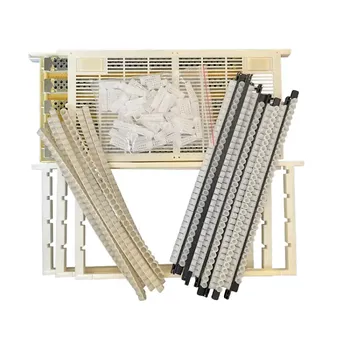
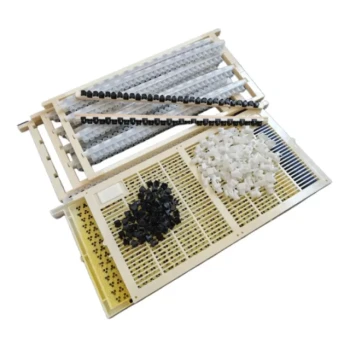
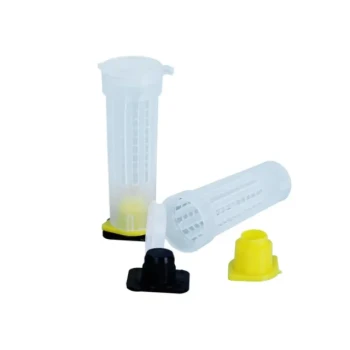
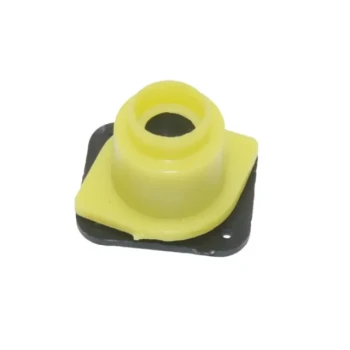
Commercial queen-rearing equipment is designed to reproduce this arrangement. Artificial cell cups, grafting frames, grafting needles, and cell-finishing systems allow operators to transfer young larvae into controlled queen-rearing units and scale production across many colonies.
Queen Rearing Is a Biological Process, Not Just a Hardware Process
Equipment can improve consistency, capacity, and handling accuracy, but it cannot compensate for poor-quality larvae, weak nurse colonies, inadequate nutrition, poor mating conditions, or unsuitable timing.
Distributors and resellers should therefore present queen-rearing equipment as part of a system that includes strong support colonies, mating-management tools, introduction cages, and inspection supplies.
Matching Tools to Commercial Workflows
For Producing Replacement Queens
Commercial operators need equipment that supports repeatable grafting and cell handling. A suitable product set may include:
- Artificial queen cell cups
- Grafting frames and bars
- Larvae grafting tools
- Queen-cell protectors
- Nursery or finishing equipment
- Queen cages for transport and introduction
The key selection criteria are repeatability, durability, compatibility, and ease of cleaning. Products that reduce larval damage and simplify batch handling are particularly valuable in larger operations.
For Monitoring Queen Age and Performance
A marked queen is easier to find among thousands of workers, which reduces inspection time and lowers the risk of accidental injury. Standardized color conventions can help managers identify the queen’s introduction year, although marking color should be treated as an identification aid rather than a substitute for accurate records.
Useful tools include:
- Queen-marking pens or marking tubes
- Queen-catching devices
- Inspection boards and hive tools
- Recordkeeping systems
- Introduction and isolation cages
Queen age alone does not determine replacement timing. Commercial decisions should also consider brood pattern, population growth, temperament, disease status, productivity, and overwintering performance.
For Introducing or Replacing a Queen
A new queen should generally be introduced in a controlled manner so workers have time to accept her pheromonal profile. Introduction cages and slow-release candy cages provide a practical transition period and reduce the risk of immediate rejection.
The correct cage and introduction method depend on colony condition, queen origin, season, and whether the colony is queenless or contains a failing queen. Product guidance and customer support are therefore important parts of the commercial offering.
For Controlling Queen Movement
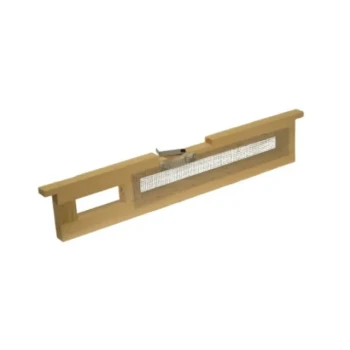
Queen excluders restrict the queen’s movement between selected hive sections. They can help keep the queen in the brood area while allowing workers to move into honey supers.
However, an excluder is not a complete swarm-control tool and does not directly regulate pheromone distribution throughout the colony. Poor placement, inadequate colony space, or excessive restriction can create management problems, so excluders should be selected and positioned according to the hive configuration and production objective.
For Managing Swarm Risk
Swarming is influenced by colony population, available space, queen condition, season, brood organization, and pheromonal communication. Strong queen-rearing programs can provide timely replacement queens, but swarm prevention still requires regular inspections and appropriate colony management.
Commercial tool portfolios may include queen cells, mating equipment, queen excluders, swarm lures, nucleus-hive supplies, and additional brood or honey-super equipment. Synthetic lures can support swarm capture, but they do not prevent every colony from swarming.
What This Means for Distributors and B2B Resellers
Build Around Complete Operating Systems
A beekeeper rarely needs only a grafting needle or only a queen cage. The purchasing decision usually belongs to a workflow: produce queens, introduce them, identify them, monitor them, and replace them when necessary.
A one-stop supplier can create more value by grouping compatible products into practical categories such as queen-rearing systems, queen introduction systems, inspection kits, swarm-management supplies, and protective equipment.
Prioritize Compatibility and Fulfillment Reliability
Commercial apiaries often operate on narrow seasonal windows. Delays in cell cups, grafting frames, cages, marking tools, or protective equipment can interrupt an entire queen-rearing cycle.
For wholesale and distribution customers, product compatibility, inventory visibility, rapid response, consolidated ordering, and dependable delivery may matter as much as the individual product specification.
Support Selection With Professional Expertise
Customers need help choosing equipment based on colony scale, hive format, production goals, and operator experience. Technical support should clarify which products work together and which biological conditions must be present for the equipment to deliver useful results.
This is where dedicated customer service and professional expertise become commercial advantages. The supplier is helping the customer build a functioning queen-management program, not simply fill a purchase order.
Understanding the Trade-offs
Equipment Improves Control but Does Not Guarantee Queen Quality
Artificial cups and grafting tools make production more systematic, but queen quality still depends on larval age, nutrition, nurse-bee strength, mating success, genetics, and colony health.
A larger equipment purchase does not automatically create better queens. Capacity should be matched to the number of strong finishing and mating colonies the operation can support.
Queen Excluders Improve Separation but Add Restrictions
An excluder can organize brood and honey-storage areas, but it may also slow worker movement or create congestion if used incorrectly. It should be viewed as a selective management tool, not a universal solution for swarm prevention or colony stability.
Synthetic Pheromones Are Support Tools
Pheromone lures may assist swarm capture or attract bees to a target location. They cannot replace queen evaluation, colony inspections, adequate space, or timely replacement of failing queens.
Treating a lure as a substitute for biological management can produce unreliable results and unnecessary product dissatisfaction.
Frequent Replacement Is Not Always the Correct Policy
Replacing queens on a regular schedule can help maintain reproductive performance and reduce the risk of sudden queen failure. However, a fixed two-year replacement rule is not appropriate for every operation or environment.
Replacement decisions should combine age records with observed queen performance, colony health, local conditions, and the availability of well-mated queens.
Making the Right Choice for Your Goal
The most effective purchasing strategy begins with the colony-management outcome and then selects the equipment needed to achieve it.
- If your primary focus is scalable queen production: Choose compatible grafting frames, cell cups, grafting tools, cell protection, and finishing equipment that support repeatable batch handling.
- If your primary focus is queen replacement: Stock reliable introduction cages, queen-marking tools, queen-catching equipment, and inspection supplies supported by clear handling guidance.
- If your primary focus is colony stability: Combine queen-health monitoring with appropriate excluders, hive-configuration equipment, inspection tools, and timely replacement planning.
- If your primary focus is swarm management: Use swarm lures and queen-management products as part of a broader program covering space, inspections, colony strength, and queen condition.
- If your primary focus is commercial distribution: Build a full-spectrum portfolio with compatible products, rapid response, consolidated sourcing, dedicated support, and dependable seasonal fulfillment.
Understanding pheromones and colony structure enables beekeepers and their suppliers to choose equipment that supports the biology of the colony while improving operational consistency, queen turnover, and long-term productivity.
Summary Table:
| Aspect | Role in Equipment Selection |
|---|---|
| Queen Pheromones | Guide tools for queen detection, introduction, and swarm control (e.g., cages, marking kits, lures). |
| Colony Structure | Dictate equipment for queen rearing (e.g., grafting tools), monitoring (e.g., inspection boards), and management (e.g., excluders). |
| Workflow Alignment | Ensure compatibility with production goals, such as scalable rearing or efficient replacement. |
| Biological Limits | Emphasize that equipment cannot replace proper nutrition, mating conditions, or colony health. |
Ready to streamline your queen-rearing and colony management with professional equipment? At HONESTBEE, we understand the biological complexities of beekeeping. Our comprehensive wholesale portfolio includes queen-rearing kits, grafting tools, introduction cages, marking supplies, and more—all designed to support your operational workflows. For distributors and B2B resellers, we offer one-stop sourcing, OEM/ODM support, competitive margins, and rapid fulfillment to keep your business moving. Contact us today to discuss your needs and discover how our expertise can boost your profitability and reliability.
Related Products
- Retractable Chinese Queen Rearing Grafting Tools Equipment
- HONESTBEE Improved No Grafting Queen Rearing Kit For Queen Rearing and Royal Jelly Production
- No Grafting Queen Rearing Kit: System for Royal Jelly Production and Queen Rearing
- Stainless Steel Queen Grafting Tool for Beekeeping and Bee Queen Grafting
- Nicot Queen Rearing Kit for Beekeeping and Grafting in Nicot System
People Also Ask
- Which specialized tools are necessary for implementing standardized queen rearing? Scale Your High-Yield Apiary
- How does selective queen rearing benefit an apiary? Discover Essential Tools for High-Quality Queen Bees
- Why are specialized queen rearing tools necessary to mitigate winter hive losses? Boost Apiary Survival and Recovery
- What operational workflows and queen rearing tools are required for implementing instrumental insemination and isolated mating in commercial queen breeding programs?
- How do queen-rearing tools facilitate the sustainability and expansion of a commercial apiary? Drive Scalable Growth