Wax dipping acts as a deep cellular preservation method rather than a simple surface shield. By submerging hive components in hot wax, the process literally "cooks" the wood, boiling out internal moisture and replacing it entirely with wax. This creates a saturated barrier that offers superior longevity compared to traditional surface paints.
The core mechanism of wax dipping is displacement. The intense heat expels the water naturally found in wood fibers and immediately fills the resulting void with wax, effectively waterproofing the material from the inside out.
The Mechanism of Protection
The "Cooking" Process
Unlike painting, which is applied cold, wax dipping relies on heat. The wood is submerged in hot wax, which acts as a heating medium.
This temperature is critical because it forces the wood to release its contents. It does not merely cover the grain; it treats the material.
Water Displacement
Wood naturally holds moisture within its cells. When submerged in the hot wax, this water turns to steam and escapes.
As the moisture leaves the pores of the wood, the hot wax flows in to take its place. This physical displacement ensures the wood is not just dry, but permanently occupied by a preservative.
Saturation vs. Coating
Traditional paints sit on top of the wood's surface. Over time, these coatings can crack, allowing water to seep underneath and rot the timber.
Wax dipping, however, impregnates the wood. Because the wax is "cooked into" the grain, there is no surface layer to flake off.
Durability and Performance
All-Weather Resilience
The primary reference notes that this method is effective in all weather climates.
Because the wood's pores are filled with wax, ambient moisture, rain, and snow cannot penetrate the timber. The wood becomes hydrophobic throughout its structure.
Long-Term Preservation
By removing water—the primary catalyst for rot—and blocking its return, the wood remains stable for much longer periods.
This drastically reduces maintenance, as there is no need to scrape or repaint the hives annually.
Understanding the Trade-offs
Process Intensity
This is not a simple dip; it is a thermal process. The reference emphasizes that the wax is "cooked" into the wood.
This implies the need for equipment capable of sustaining high temperatures safely. It is more resource-intensive upfront than applying a coat of paint.
Impregnation is Permanent
Once wood is wax-dipped, the treatment is integral to the material.
You cannot easily reverse this process or apply water-based treatments on top of it later, as the wax will repel them.
Making the Right Choice for Your Goal
- If your primary focus is maximum longevity: Choose wax dipping to completely displace moisture and prevent rot from the inside out.
- If your primary focus is low maintenance: Opt for this method to avoid the cycle of scraping, priming, and repainting associated with traditional finishes.
Wax dipping transforms the wood from a porous material into a preserved, weather-resistant composite.
Summary Table:
| Feature | Wax Dipping | Traditional Painting |
|---|---|---|
| Mechanism | Internal displacement & saturation | Surface-level coating |
| Moisture Resistance | Hydrophobic from the inside out | Prone to seepage if cracked |
| Maintenance | Extremely low (no repainting) | High (regular scraping/painting) |
| Durability | Decades of rot protection | 3-5 years average life |
| Climate | Effective in all weather extremes | Vulnerable to peeling and UV |
Maximize Your Apiary’s Lifespan with HONESTBEE
At HONESTBEE, we specialize in empowering commercial apiaries and distributors with the highest-grade beekeeping infrastructure. Whether you are looking for specialized hive-making machinery to implement professional wax dipping or need a bulk supply of durable beekeeping tools and consumables, we have you covered.
Our comprehensive wholesale offerings ensure your operations remain efficient and your timber remains rot-free. Contact us today to discuss how our industrial equipment and honey-themed cultural products can add value to your business. Let's build a more resilient beekeeping future together!
Related Products
- Solar Beeswax Melter Easy Solar Wax Melter for Beeswax
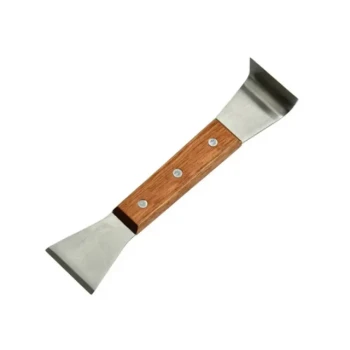
- Stainless Steel J Hook Hive Tool for Beekeeping
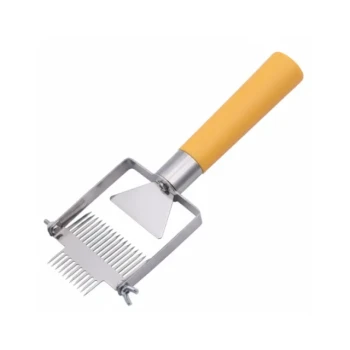
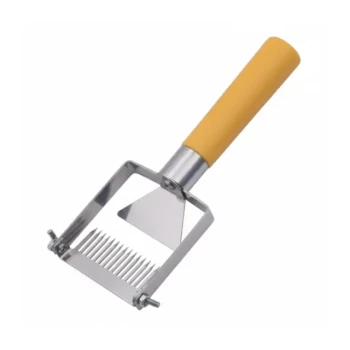
- Double Sided Adjustable Honey Uncapping Fork with Plastic Handle
- Precision Stainless Steel Frame Cleaner for Hive Grooves and Corners
- Professional Plastic Honey Dipper for Easy Honey Drizzling
People Also Ask
- How does a solar melter work to process beeswax? The Eco-Friendly Way to Pure Wax
- What is a solar wax melter and how does it work? Harness the Sun for Pure Beeswax
- What are the benefits of using a solar wax melter? Harness the Sun for Pure, Cost-Effective Beeswax
- What is the purpose of a solar wax melter in beekeeping? Sustainable Wax Processing for Modern Apiaries
- How does a solar-powered frame wax melter work? Harness the Sun for Sustainable Beekeeping