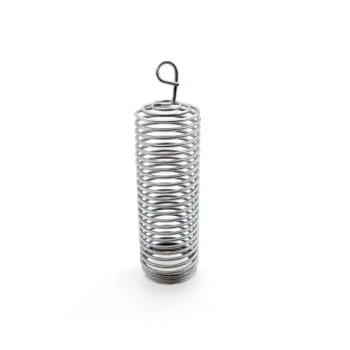
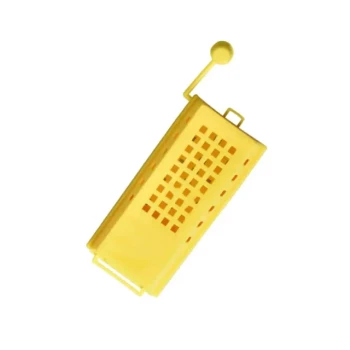
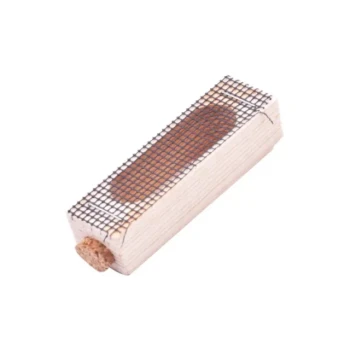
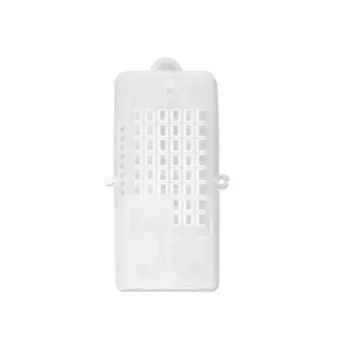
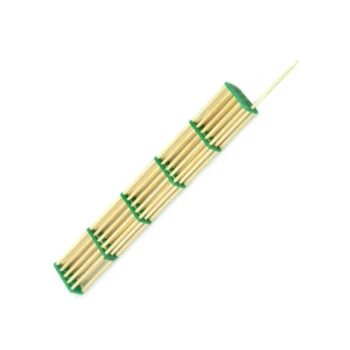
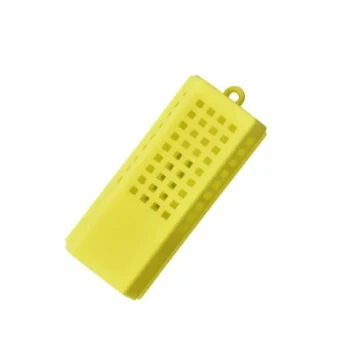
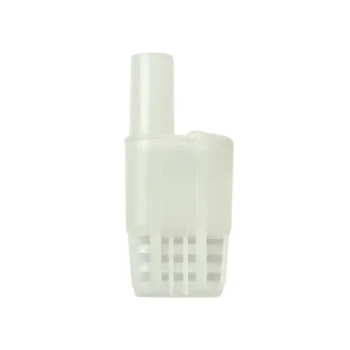
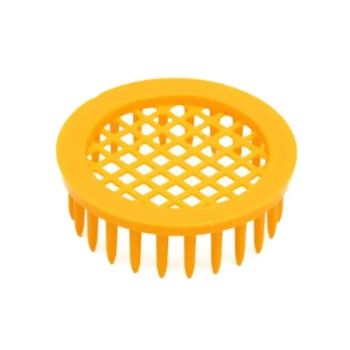
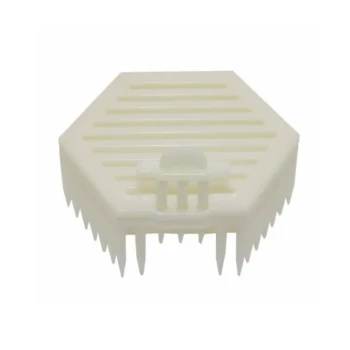
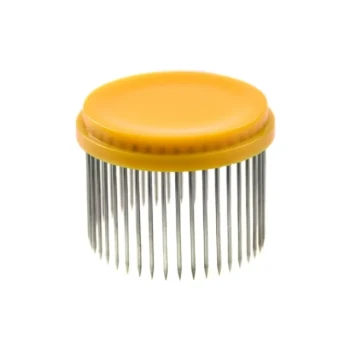
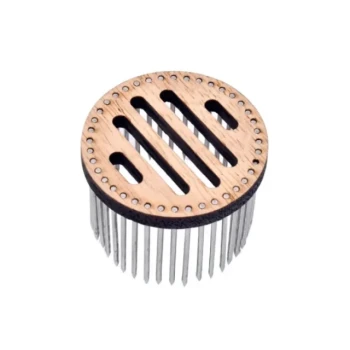
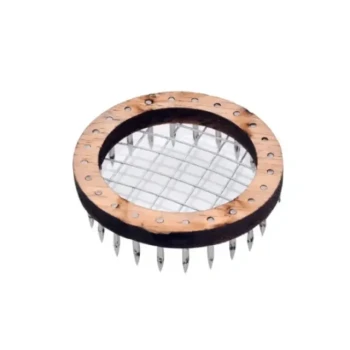
To properly install a queen bee cage, place the cage between two frames in the center of the brood box, ensuring the mesh screen is exposed to the colony so worker bees can interact with the queen. You must enable the delayed release mechanism by removing the cork covering the candy plug; if no candy is present, replace the cork with a mini marshmallow. Secure the cage firmly using the pressure of the frames, or assist with a rubber band or thumbtack, to keep it suspended while the colony acclimates to her pheromones.
Core Takeaway A successful queen introduction relies on a "slow release" strategy that balances physical protection with olfactory exposure. The goal is to keep the queen caged long enough for the colony to accept her unique pheromone signature, yet accessible enough for workers to feed her through the mesh before she is fully released.
Preparing the Release Mechanism
Managing the Candy Plug
Most queen cages come with a candy plug blocked by a cork or plastic cap. You must remove this physical barrier (the cork) to expose the candy.
The Marshmallow Alternative
If your cage does not have a candy plug, or if the candy has hardened, you must create a manual delay. Remove the cork and insert a mini marshmallow into the hole. This mimics the candy plug, giving the bees a barrier they can eat through over the course of a few days.
Why Delayed Release Matters
Do not release the queen immediately. The time it takes for the workers to eat through the candy or marshmallow—typically a few days—is critical for pheromone acceptance, preventing the colony from rejecting or killing the new queen.
Positioning the Cage in the Hive
Optimal Placement
The cage must be located in the center of the brood box, where the cluster of bees is densest. Suspend the cage between two middle frames to ensure the queen stays warm and well-fed by nurse bees.
Ensuring Worker Access
Orientation is vital for survival. The mesh screens of the cage must remain accessible to the worker bees. Ensure the screen faces toward the gap between frames (or toward the front of the colony) so bees can feed the queen through the wire; never press the screen flush against the wax comb, as this will suffocate or starve her.
Securing the Cage
You can often hold the cage in place simply using frame pressure by pushing the two center frames together against the cage. For added security, use a rubber band or a thumbtack to attach the cage to a frame bar. It is critical that the cage does not fall to the bottom board, where the queen could perish from cold.
Creating Space
To accommodate the width of the cage without crushing bees or damaging the comb, you may need to remove one frame from the brood box temporarily. This ensures the cage fits comfortably between the remaining frames.
Common Pitfalls to Avoid
Inspecting Too Early
A major error is disturbing the hive immediately after the queen is released. You must leave the hive undisturbed for at least 10 days after installation. Early inspections can stress the colony, causing them to "ball" (attack and kill) the newly released queen.
Misinterpreting Bee Behavior
While the queen is caged, monitor how the workers interact with the mesh. If they are clinging tightly or biting the cage, this indicates aggression and the queen is not yet accepted. A successful introduction is signaled by workers calmly feeding the queen through the screen.
Squishing the Queen
When using frame pressure to secure the cage, be extremely gentle. Applying too much force can distort the cage or injure the queen inside.
Making the Right Choice for Your Goal
- If your primary focus is standard installation: Rely on the candy plug method and frame pressure, ensuring the cork is removed before closing the hive.
- If your primary focus is a cage without candy: Utilize a mini marshmallow to create a temporary, edible barrier that ensures a multi-day release delay.
- If your primary focus is maximum acceptance: Wait to expose the candy/marshmallow until you verify that workers are feeding the queen through the mesh rather than biting the cage.
The process requires patience; allow the colony the time and quiet they need to integrate the new queen into the hive's pheromone network.
Summary Table:
| Feature | Recommended Action | Purpose |
|---|---|---|
| Placement | Center of the brood box | Ensures warmth and dense cluster access |
| Orientation | Mesh screen exposed to workers | Allows bees to feed and bond with the queen |
| Release Mechanism | Candy plug or mini marshmallow | Provides a delayed release for pheromone acceptance |
| Security | Frame pressure or rubber bands | Prevents the cage from falling to the bottom board |
| Follow-up | Leave undisturbed for 10 days | Prevents stress-induced queen rejection (balling) |
Maximize Your Apiary’s Success with HONESTBEE
Successful beekeeping starts with the right tools and expert knowledge. At HONESTBEE, we specialize in supporting commercial apiaries and distributors with a complete range of professional-grade equipment. From precision beekeeping tools and queen cages to industrial honey-filling machines and hive-making equipment, our wholesale solutions are designed to scale your operations efficiently.
Whether you are restocking essential consumables or upgrading your machinery, our team is committed to delivering quality and value to help your business thrive. Contact us today to explore our full catalog and wholesale pricing!
Related Products
- Durable Galvanized Steel Spring Queen Bee Cage
- Professional Queen Bee Introduction and Transport Cage
- Professional Queen Cage with Sliding Gate and Feeder Plug
- Classic Wooden and Mesh California Queen Cage
- Professional Multi-Functional Queen Bee Cage
People Also Ask
- Why are specialized queen bee cages used for the banking of mated queen bees? Maximize Commercial Apiary Storage Efficiency
- What is the mechanism of action for using temporary queen bee cages? Master Successful Queen Introduction
- What is the step-by-step process for installing a queen bee's cage onto a frame? Ensure Hive Acceptance Safely
- What is the optimal placement for a queen bee cage? Essential Strategies for Successful Re-queening
- What are the advantages and disadvantages of introducing a queen bee by embedding the cage? Boost Your Queen Acceptance