Industrial weighing equipment ensures data accuracy by isolating the precise net weight of mature honey produced by specific bee colonies. This process involves weighing honey-filled supers and rigorously subtracting the tare weight of the empty supers to generate a definitive quantitative measure of production efficiency.
Accurate yield measurement is the critical link between biological resistance and commercial viability. It allows breeders to verify that mite-resistant traits do not come at the expense of the high honey productivity required for economic success.
The Mechanics of Accurate Yield Measurement
Calculating Net Weight
To determine the true yield, operators utilize industrial scales to measure the total mass of honey-filled supers.
From this gross weight, the known tare weight of the empty super is subtracted.
The resulting figure provides the net weight of the mature honey, eliminating variables caused by equipment weight differences.
Integration with Extraction Processes
High-precision weighing is often paired with industrial-grade honey extractors.
These devices use centrifugal force to separate honey from the comb without damaging the structure.
When combined with weighing, this allows for the accurate determination of actual honey yield per colony, rather than just an aggregate field estimate.
Why Precision Matters for Breeding Programs
Validating Economic Indicators
Honey yield is a primary economic indicator for commercial beekeeping.
Weighing equipment provides the data necessary to determine if a mite-resistant variety is commercially viable.
If a variety resists parasites but fails to produce sufficient honey, precise weighing data will reveal this lack of productivity immediately.
Comparing Genetic Populations
Accurate weighing facilitates fair comparisons between different geographic populations or color morphs (such as black, yellow, and brown varieties).
It transforms subjective observations into hard data.
This informs targeted breeding programs, ensuring that only the most efficient and resistant lines are selected for propagation.
Ensuring Data Integrity
The Importance of Variable Control
While weighing provides the final metric, the accuracy of the experiment depends on controlled starting conditions.
Using standardized hive bottom boards ensures that all colonies begin with identical physical environments.
Without this standardization, variations in weight could be attributed to environmental advantages rather than the genetic efficiency of the bees.
Isolating Variables
Precise weighing helps isolate the impact of specific genetic backgrounds.
It ensures that the measured yield reflects the colony's natural industry and resistance, not external inconsistencies.
Making the Right Choice for Your Goal
To effectively utilize industrial weighing in your breeding or production program, consider your primary objective:
- If your primary focus is Commercial Viability: Prioritize the calculation of net weight to ensure mite-resistant traits do not negatively impact the total marketable honey volume.
- If your primary focus is Genetic Research: Ensure weighing is paired with standardized hive environments to validate that yield differences are strictly due to genetic lineage.
Precision measurement converts biological potential into actionable economic data.
Summary Table:
| Metric Type | Calculation Method | Purpose in Breeding Programs |
|---|---|---|
| Gross Weight | Total mass of honey-filled super | Baseline measurement of harvest output. |
| Tare Weight | Mass of empty super & frames | Ensures equipment variance doesn't skew data. |
| Net Weight | Gross Weight - Tare Weight | Defines the actual commercial yield per colony. |
| Yield Efficiency | Net Weight / Colony Population | Determines economic viability of mite-resistant lines. |
Maximize Your Apiary's Commercial Success with HONESTBEE
At HONESTBEE, we understand that precision is the foundation of a profitable beekeeping enterprise. Whether you are a commercial apiary manager or a distributor, we provide the industrial-grade machinery and tools necessary to turn biological potential into measurable economic growth.
Our comprehensive wholesale portfolio includes:
- High-Precision Machinery: Advanced honey-filling and hive-making machines for seamless production.
- Extraction Solutions: Industrial-grade honey extractors designed for maximum yield and comb preservation.
- Essential Consumables: A full spectrum of beekeeping tools and equipment to support colony health and data integrity.
- Cultural Merchandise: Unique honey-themed products to expand your brand's market reach.
Ready to elevate your production efficiency? Contact our expert team today to discover how our tailored equipment solutions can support your breeding programs and wholesale needs.
References
- Kenneth E Ward, Rufina Ward. Comparative Performance of Two Mite-Resistant Stocks of Honey Bees (Hymenoptera: Apidae) in Alabama Beekeeping Operations. DOI: 10.1093/jee/101.3.654
This article is also based on technical information from HonestBee Knowledge Base .
Related Products
- HONESTBEE Adjustable Voltage Wire Embedder with Digital Display
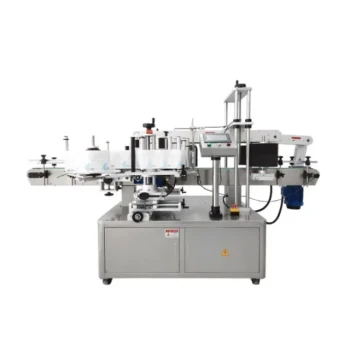
- Automatic Dual Sided In Line Labeling Machine
- Professional Bee Frame Machine for Side Bar Shaping
- Wide Adjustable Stainless Steel Honey Uncapping Fork with Scraper
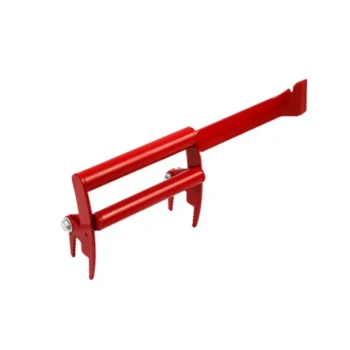
- Heavy-Duty Lever-Action Frame Grip with Hive Tool
People Also Ask
- How can combs be further strengthened? Embed Wires for Durable, High-Yield Hives
- What is an embedder in beekeeping? Essential Tool for Strengthening Wax Foundation & Hive Frames
- Why must honeybee colonies be selected based on specific breed standards for nutritional studies? Key to Data Integrity
- Why record environmental factors for Varroa tolerance? Separate Genetics from Climate to Identify Resilient Bee Colonies
- How does geographic location and temperature affect the timing of honeybee delivery? Ensure Successful Installation