Oil-impregnated cotton yarn serves as a dual-action barrier designed to isolate stingless bee colonies from ground-based predators. By wrapping yarn soaked in grease or waste motor oil around the base of hive stands, beekeepers create a formidable physical and chemical blockade. This simple method effectively stops crawling insects, particularly Tracuá Carpenter ants, from ascending the stand and invading the hive.
This technique leverages the high viscosity of grease and the strong chemical odor of oil to establish a defensive perimeter at the hive's foundation. It is a critical, traditional physical control measure that safeguards colony stability by severing the access route for crawling pests.
Creating the Defensive Perimeter
The Application Process
The defense mechanism relies on placing a physical obstacle between the ground and the hive. Cotton yarn is thoroughly impregnated with a sticky, oily substance—typically grease or waste motor oil.
Strategic Placement
This treated yarn is wrapped securely around the base of the beehive stands or support pillars. This placement ensures that any pest attempting to climb the stand must traverse the treated material.
Mechanical Obstruction
The primary defense is physical. The viscosity of the grease creates a sticky surface that traps small insects or makes locomotion impossible. This creates an effective isolation barrier that physically prevents predators from crossing the threshold.
Chemical Deterrence
Beyond the physical trap, the barrier utilizes chemical warfare. The strong, distinct chemical odor of the waste motor oil acts as a repellent, discouraging pests from even attempting to cross the barrier.
Target Pests and Protection
Stopping Crawling Predators
This method is specifically engineered to target crawling pests. It is particularly effective against aggressive species like Tracuá Carpenter ants, which are a major threat to stingless bee colonies.
Safeguarding Production
By preventing these predators from entering the hive, the colony remains free from external interference. This protection is essential for maintaining the stability of honey production and the overall health of the hive.
Operational Considerations and Trade-offs
Necessity of Maintenance
While effective, this is not a "set and forget" solution. The efficacy of the barrier relies on the viscosity and scent of the oil. Over time, the oil may dry out or become coated in dust, requiring re-application to maintain the defensive perimeter.
Material Availability
The use of waste motor oil and cotton yarn makes this a highly accessible solution. However, beekeepers must ensure the application is precise to avoid contaminating the immediate environment beyond the hive stand.
Implementing Effective Pest Control
To ensure the safety and productivity of your stingless bee colonies, apply this barrier method based on your specific maintenance goals:
- If your primary focus is immediate pest exclusion: Wrap the base of all hive stands with grease-impregnated yarn to create an instant physical block against carpenter ants.
- If your primary focus is long-term production stability: Establish a routine schedule to refresh the oil or grease on the yarn, ensuring the chemical odor remains potent enough to repel invaders.
By establishing this foundational barrier, you effectively neutralize ground-based threats before they can reach the hive entrance.
Summary Table:
| Feature | Description | Benefit |
|---|---|---|
| Material | Cotton yarn soaked in grease or motor oil | Highly accessible and low-cost setup |
| Mechanism | Physical stickiness + chemical odor | Dual-action deterrent for crawling pests |
| Target Pests | Tracuá Carpenter ants and crawling insects | Prevents hive invasion and colony loss |
| Placement | Base of hive stands or support pillars | Severs the access route at the foundation |
| Maintenance | Periodic re-application required | Ensures long-term efficacy and scent potency |
Secure Your Apiary with HONESTBEE Professional Solutions
Protecting your colonies requires the right tools and expertise. HONESTBEE caters to commercial apiaries and distributors with a comprehensive wholesale offering. From specialized beekeeping tools and hive-making machinery to essential consumables, we provide everything needed to safeguard your production and scale your operations.
Why partner with HONESTBEE?
- Full Spectrum Supply: We offer a complete range of beekeeping equipment and honey-themed cultural merchandise.
- Commercial Grade Quality: Our machinery, including honey-filling machines, is designed for high-efficiency commercial use.
- Global Distribution: We specialize in supporting distributors and large-scale apiaries with reliable bulk supplies.
Ready to enhance your apiary's efficiency and security? Contact HONESTBEE today to discuss our wholesale solutions and how we can add value to your beekeeping business!
References
- Mikail Olinda de Oliveira, Felipe Andrés León Contrera. Practical meliponiculture: use of trap boxes to control Tracuá Carpenter ants (Camponotus atriceps Smith, 1858), an important natural enemy. DOI: 10.4025/actascianimsci.v44i1.54128
This article is also based on technical information from HonestBee Knowledge Base .
Related Products
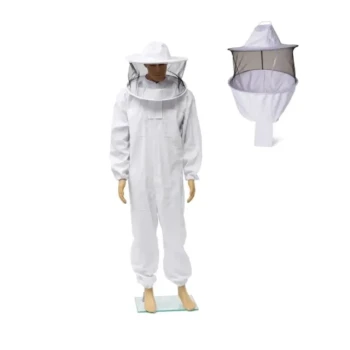
- Premium Cotton Beekeeper Suit with Reinforced Fencing Veil
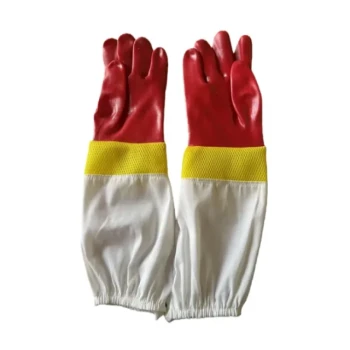
- Beekeeping Gloves Goatskin Leather with Long Cotton Sleeve for Beekeepers
- White Cotton Beekeeping Jacket and Veil for Bee Keepers
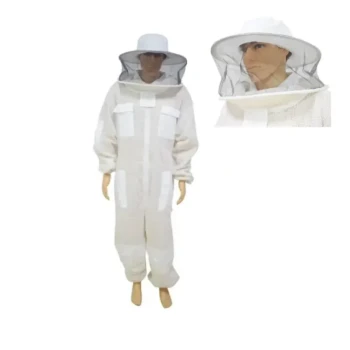
- Professional Cotton Beekeeper Suit with Round Veil Design for Commercial Apiaries
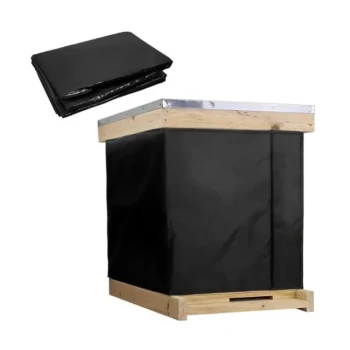
- Inner Beehive Cover for Beekeeping Bee Hive Inner Cover
People Also Ask
- What material and design specifications are recommended for a high-quality beekeeper suit? Top Gear Selection Guide
- How to Pre-treat Propolis Stains on Beekeeping Suits? Master Advanced Fabric Care and Soil Removal
- What features should be considered for sting protection in a beekeeping suit? Ensure Total Safety and Comfort
- What are the differences between full suits and jackets with veils in beekeeping? Choose Your Best Protection
- What features should be looked for in a beekeeping suit for maximum comfort? Prioritize Ventilation and Fit