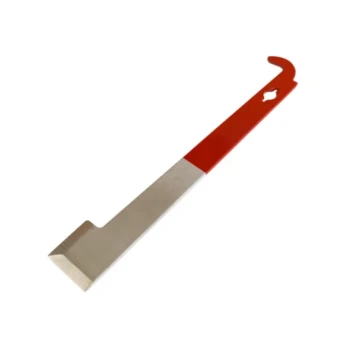
Proper maintenance of beekeeping gear begins with a complete disassembly of the hives followed by a thorough washing of all components using warm water and non-toxic soap. After rinsing well and allowing the parts to dry completely, equipment should be stored in a cool, dry location under breathable covers to protect against dust and debris.
To effectively prevent the spread of diseases and pests, hygiene is non-negotiable. Thorough cleaning combined with dry, covered storage ensures your equipment remains contaminant-free and ready for future use.
The Cleaning Protocol
Disassembly is Essential
Effective cleaning requires you to disassemble the hives completely. You cannot adequately clean the equipment while it is fully constructed, as tight spaces may harbor contaminants.
Washing the Components
Once disassembled, wash every part of the equipment. Use warm water and non-toxic soap to scrub away residue. Avoid harsh chemicals that could be harmful to the bees later.
Rinsing and Drying
After washing, rinse the equipment well to remove all soap residue. Finally, it is critical to let every piece dry completely before attempting to store it. Moisture left on the equipment can lead to issues during storage.
Strategic Storage
Selecting the Right Environment
Storage location matters as much as the cleaning process. You should keep your equipment in a dry, cool area. This environment helps preserve the structural integrity of the hives and frames.
Protective Covering
While in storage, hives and frames should not be left exposed. Cover them with tarps or breathable materials. This barrier protects the equipment from accumulating dust and debris during the off-season.
Common Pitfalls to Avoid
Neglecting the "Non-Toxic" Requirement
A common mistake is using aggressive cleaning agents to save time. You must strictly use non-toxic soap. Standard industrial cleaners may leave residues that are dangerous to your colony.
Incomplete Drying
Storing equipment while it is still damp is a significant error. You must ensure the gear is completely dry before covering it. Trapping moisture under a tarp can counteract your cleaning efforts.
Making the Right Choice for Your Goal
Consistent maintenance is the best insurance for your apiary.
- If your primary focus is disease prevention: Prioritize disassembling and washing all parts with non-toxic soap to remove potential pathogens.
- If your primary focus is equipment longevity: Ensure you store your gear in a cool, dry area covered with breathable material to prevent environmental damage.
Treat your equipment with care today to ensure a healthy, productive hive tomorrow.
Summary Table:
| Maintenance Stage | Key Action | Benefit |
|---|---|---|
| Cleaning | Disassemble & wash with non-toxic soap | Prevents disease spread & removes pathogens |
| Drying | Air-dry completely before storage | Prevents mold growth & structural decay |
| Environment | Store in a cool, dry, ventilated area | Preserves material integrity |
| Protection | Use breathable covers (tarps) | Keeps equipment free from dust & pests |
Elevate Your Beekeeping Operation with HONESTBEE
Maintaining your equipment is just the beginning. At HONESTBEE, we empower commercial apiaries and distributors with high-performance tools and machinery designed for long-term reliability. From professional hive-making and honey-filling machines to a comprehensive range of beekeeping hardware and industry consumables, we provide the wholesale solutions you need to scale your business efficiently.
Ready to upgrade your apiary’s productivity? Contact our expert team today to explore our full spectrum of beekeeping equipment and merchandise tailored to your professional needs.
Related Products
- Stainless Steel J Hook Hive Tool for Beekeeping
- HONESTBEE 15-in-1 Beekeeper Multi-Tool with Hammer and Pliers for Beekeeping
- HONESTBEE Classic Pry Bar Hive Tool with High Visibility Finish for Beekeeping
- Multi-Function Plier-Style Frame Grip Hive Tool
- HONESTBEE Professional Mini J-Hook Hive Tool for Beekeeping
People Also Ask
- What specific challenges do beekeeping hive tools address during hive maintenance? Essential Solutions for Apiaries
- What is a J-hook hive tool and why is it favored by some beekeepers? Master Gentle Frame Handling
- What are the features of a J-hook hive tool? Effortlessly Lift Frames with Superior Leverage
- What is the purpose of the J-hook hive tool? Effortlessly Lift Frames with Superior Leverage
- How is a J-hook hive tool designed and what is its primary use? Master Effortless Hive Inspections