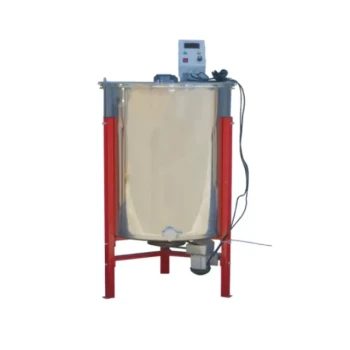
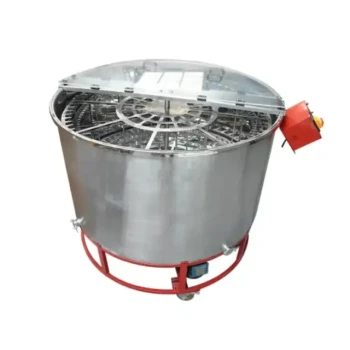
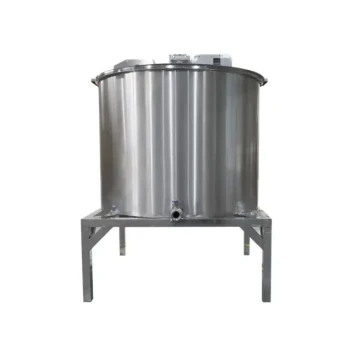
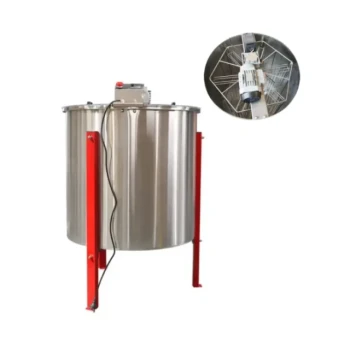
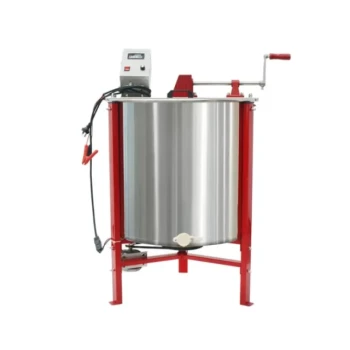
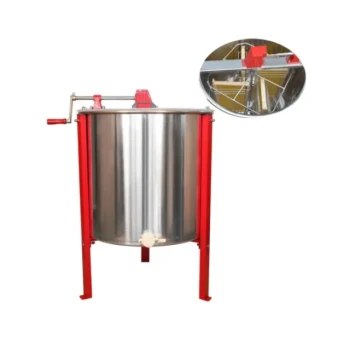
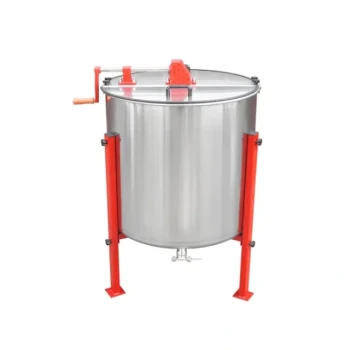
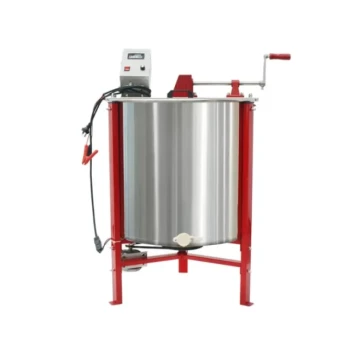
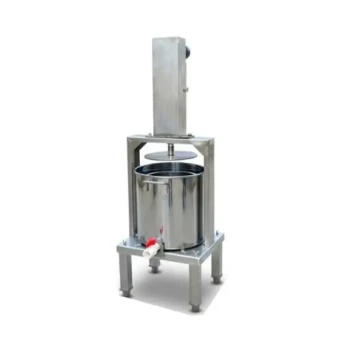
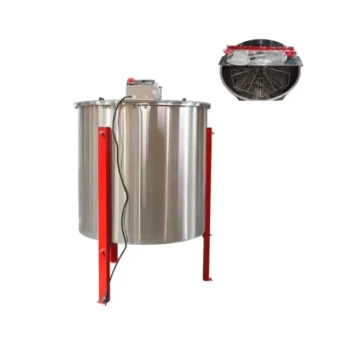
Proper handling and maintenance of a centrifuge honey extractor requires a disciplined cycle of balanced operation and meticulous post-use sanitation. You must disassemble and wash the unit with warm soapy water after every session to prevent bacterial growth, while ensuring electric components remain strictly dry to avoid mechanical failure.
Core Takeaway The longevity of your extractor hinges on rigorous moisture management: using warm water to remove wax and bacteria from the drum, while aggressively protecting the gearbox and bearings from water ingress to prevent rust.
Operational Handling for Efficiency
Proper maintenance begins with how you use the machine. Reducing mechanical stress during extraction extends the lifespan of the equipment.
Preparation and Loading
Before placing frames in the extractor, you must ensure they are properly uncapped and free of bees.
Balance is critical. Always load frames symmetrically to distribute weight evenly. An unbalanced load causes excessive vibration, which can damage the extractor's legs, bearings, and shaft over time.
Managing Spin Speed and Direction
If using an electric model, you must control the speed carefully. Excessive centrifugal force can break the delicate wax combs, contaminating the honey with debris.
Spin the frames for approximately 5 to 6 minutes in one direction. Afterwards, reverse the spinning direction to extract honey from the opposite side. If using a tangential extractor without a reversible motor, you must manually flip the frames.
Post-Extraction Filtering
Once extraction is complete, filter the honey before bottling. This removes wax particles and impurities that settle during the spinning process, ensuring the final product remains high quality.
Cleaning and Sanitation Procedures
The primary reference dictates that the extractor must be cleaned and sanitized after each use. Neglecting this leads to the growth of bacteria and mold.
The Necessity of Disassembly
Do not simply rinse the drum. You must disassemble the equipment to access all crevices. Honey and wax residue can accumulate in hidden areas, creating a breeding ground for contaminants.
Removing Beeswax Residue
Beeswax is notoriously sticky and water-resistant. Use warm water to soften the wax, making it significantly easier to wipe away. Cold water will cause the wax to harden and adhere more stubbornly to the stainless steel.
Washing Protocol
Wash all disassembled non-mechanical parts thoroughly with warm soapy water. A quick surface wipe with a damp towel is acceptable for minor spot cleaning, but a deep clean is required before storage.
Protecting Mechanical Components
While the drum requires water for cleaning, the mechanical components have different requirements.
Motor and Gearbox Care
If you are using an electric extractor, you must prevent water from reaching the bearings and gearbox.
After cleaning the drum, wipe the mechanical exterior with a dry cloth. Moisture intrusion here is the leading cause of mechanical failure and rust in the drive train.
Lubrication Requirements
Contrary to common assumptions, the gearbox and shaft often do not require additional lubrication. Do not apply oil or grease to these components unless specified by the manufacturer, as this can attract dust and gum up the mechanism.
Storage and Preservation
Proper storage is just as important as cleaning for preventing degradation.
Environmental Control
Store the reassembled extractor in a dry, cool, and clean area. Humidity is the enemy of the metal components and will lead to rusting over time.
Dust Protection
Ensure the area is clean to prevent dust accumulation inside the drum, which would contaminate the next batch of honey. Covering the extractor with a breathable cloth or plastic sheet is a recommended precaution.
Common Pitfalls to Avoid
Understanding the trade-offs in cleaning and operation will help you avoid costly mistakes.
The Risk of Imbalance
Running an extractor with an unbalanced load is the fastest way to destroy the bearings. Even a slight wobble can escalate into damaging vibration; stop the machine immediately and redistribute the frames if this occurs.
Moisture in the Wrong Places
While warm water is essential for hygiene, it is destructive to the drive mechanism. The trade-off is clear: you must be liberal with water in the drum but clinically dry around the motor. Failure to separate these zones results in seized bearings.
Making the Right Choice for Your Goal
Adhering to specific protocols ensures your equipment serves your specific priorities.
- If your primary focus is Equipment Longevity: Prioritize checking frame balance before every spin and keeping the storage environment strictly dry to prevent rust.
- If your primary focus is Honey Quality: Disassemble the unit completely after every use to eliminate bacterial growth and filter the yield immediately to remove wax debris.
- If your primary focus is Comb Preservation: Monitor the spin speed closely; start slow and only increase speed enough to extract the honey without fracturing the wax cells.
Treat your extractor as a food-grade instrument: keep the honey surfaces sterile and the mechanical surfaces dry.
Summary Table:
| Maintenance Aspect | Key Action | Frequency |
|---|---|---|
| Loading | Symmetrical frame placement to ensure balance | Every use |
| Cleaning | Disassemble and wash with warm soapy water | After every session |
| Mechanical Care | Keep motor, gearbox, and bearings strictly dry | During cleaning |
| Operation | Monitor spin speed (5-6 mins per side) | During extraction |
| Storage | Store in a cool, dry place with dust protection | Post-season/Idle |
| Lubrication | Only apply as specified by the manufacturer | As needed |
Maximize Your Harvest Efficiency with HONESTBEE
At HONESTBEE, we understand that high-performance equipment is the backbone of a successful apiary. Whether you are a commercial beekeeping operation or a global distributor, our comprehensive wholesale solutions are designed to meet your specific needs.
We provide a full spectrum of professional-grade tools, including:
- Advanced Machinery: Precise hive-making and honey-filling machines.
- Industrial Equipment: High-capacity centrifuge extractors and specialized hardware.
- Essential Consumables: A wide array of industry-standard supplies and honey-themed merchandise.
Our team is dedicated to supporting your growth with durable equipment and expert industry insights. Contact us today to discuss how our wholesale offerings can enhance your productivity and streamline your operations!
Related Products
- electric honey extractor honey centrifuge 3 frame honey extractor stainless steel honey frame extractor
- Manual Hand Crank 4 Frame Honey Extractor Centrifuge for Beekeeping
- Professional 4 Frame Self Reversing Electric Honey Extractor for Beekeeping
- Electric 4 Frame Tangential Honey Extractor
- HONESTBEE 72 Frame Industrial Electric Honey Extractor for Beekeeping
People Also Ask
- What are the characteristics of electric honey extractors? Boost Your Apiary Efficiency with Automated Technology
- What are the disadvantages of using an electric honey extractor? Weighing Cost, Power, and Comb Safety
- What are the advantages of an electric honey extractor? Boost Efficiency and Scale Your Honey Production
- What are the technical advantages of electric honey extractors? Maximize Yield and Protect Your Bee Colony
- How does an electric honey extractor affect the quality of honey? Preserve Flavor & Purity with Precision Extraction