Effective apiary management now requires dynamic responsiveness. You must integrate monitoring software with high-precision meteorological stations to track environmental shifts in real-time. This data allows you to deploy protective equipment only when necessary and pivot resources toward intensive honey processing during identified low-risk windows.
Modern beekeeping demands a strategic balance between defense and production. By utilizing environmental data to identify risk levels, you can alternate between deploying protective gear in high-suitability areas and maximizing machine output during safe periods.
Integrating Technology for Dynamic Defense
The Role of Precision Monitoring
Static pest management schedules are no longer sufficient. You must implement monitoring software linked to local meteorological stations. This integration allows you to track specific environmental changes that signal an increase in pest activity.
Responsive Equipment Deployment
Rather than keeping protective equipment deployed permanently, use your environmental data to guide dynamic deployment. When weather conditions favor pest proliferation, immediately deploy defensive gear. When conditions stabilize, you can conserve these resources.
Managing Risk Amidst Changing Predictions
Interpreting Range Reductions
Do not assume safety even if climate models predict a reduction in pest range. While the overall territory of a pest may shrink, the density and impact in remaining areas can be severe.
High-Suitability Area Vigilance
Focus your defensive resources on high-suitability areas. Regardless of broader climate trends, these specific zones retain significant risk and require constant monitoring and readiness.
Optimizing Production During Low-Risk Windows
Shifting to High-Load Operations
When your monitoring systems identify a low-risk window, you must immediately pivot to production. Redirect your labor and resources toward intensive production activities to maximize yield while the colony is safe.
Maximizing Processing Efficiency
Use these safe periods to run honey-filling machines and processing equipment at high-load capacity. This approach ensures you achieve maximum production efficiency during the short windows when pest mitigation is not the primary focus.
Understanding the Trade-offs
The Risk of Data Reliance
Shifting to a dynamic model relies heavily on the accuracy of your meteorological data and monitoring software. If your sensors fail or the software misinterprets a micro-climate change, you may leave your apiaries exposed to a sudden pest surge without adequate protection.
production vs. Protection Balance
Focusing heavily on high-load processing during low-risk windows can strain machinery and staff. There is a risk that rapidly switching operational focus—from defense to intensive production—may lead to equipment burnout or logistical bottlenecks if not managed carefully.
Making the Right Choice for Your Goal
To adapt your operations effectively, consider your immediate priorities:
- If your primary focus is Colony Health: Prioritize the investment in high-precision meteorological stations to ensure you never miss a critical environmental shift in high-suitability areas.
- If your primary focus is Maximizing Yield: Structure your workflow to rapidly scale up honey-filling and processing operations the moment your data indicates a low-risk window.
Success lies in using data to turn uncertainty into a schedule, ensuring every piece of equipment is used exactly when it is most effective.
Summary Table:
| Strategy Component | Focus Area | Key Action |
|---|---|---|
| Monitoring | Meteorological Data | Integrate software with weather stations for real-time risk alerts. |
| Equipment | Dynamic Deployment | Deploy protective gear in high-risk zones; conserve during low-risk. |
| Production | Processing Efficiency | Run honey-filling machines at high-load during identified safe windows. |
| Risk Control | High-Suitability Areas | Maintain vigilant defense even if overall pest ranges are predicted to shrink. |
Scaling Your Commercial Apiary with HONESTBEE
In an era of shifting environmental risks, HONESTBEE empowers commercial apiaries and distributors with the robust machinery and tools needed to maintain high-load production. Whether you are scaling up during low-risk windows or reinforcing your defenses, we provide the full spectrum of equipment—from automated honey-filling machines and hive-making hardware to essential industry consumables and honey-themed merchandise.
Maximize your yield and streamline your operations today.
Contact HONESTBEE for Wholesale Solutions
References
- K. Eid, Hossam F. Abou‐Shaara. Predicting with the pest status of two main insects that attacking honey bee colonies in Africa based on the future climatic changes. DOI: 10.21608/jppp.2021.198240
This article is also based on technical information from HonestBee Knowledge Base .
Related Products
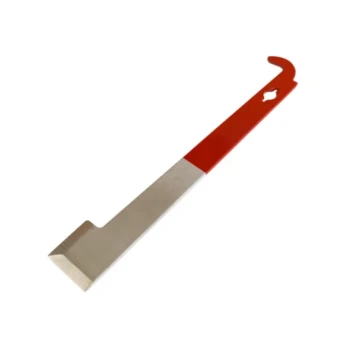
- Stainless Steel J Hook Hive Tool for Beekeeping
- HONESTBEE 15-in-1 Beekeeper Multi-Tool with Hammer and Pliers for Beekeeping
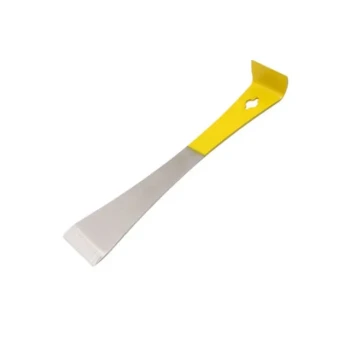
- HONESTBEE Classic Pry Bar Hive Tool with High Visibility Finish for Beekeeping
- Multi-Function Plier-Style Frame Grip Hive Tool
- Stainless Steel Queen Grafting Tool for Beekeeping and Bee Queen Grafting
People Also Ask
- What specific challenges do beekeeping hive tools address during hive maintenance? Essential Solutions for Apiaries
- What are the features of a J-hook hive tool? Effortlessly Lift Frames with Superior Leverage
- What is a J-hook hive tool and why is it favored by some beekeepers? Master Gentle Frame Handling
- What is the purpose of the J-hook hive tool? Effortlessly Lift Frames with Superior Leverage
- How is a J-hook hive tool designed and what is its primary use? Master Effortless Hive Inspections