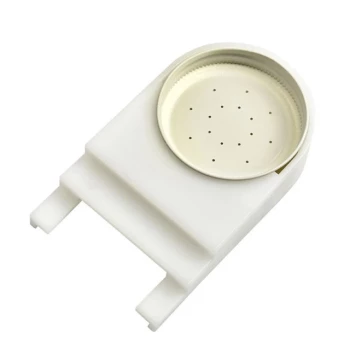
Efficiency drives scalability. As a beekeeping operation expands from a single colony to a larger apiary, feeding methods must shift from low-volume techniques to high-capacity systems. A feeder suitable for a first-year hive is often inefficient for a mature operation, requiring a transition to equipment that can handle increased food demands and significantly reduce labor time.
Beekeeping feeding strategies are not static; they must evolve alongside your apiary. As colony numbers and sizes grow, successful beekeepers transition to larger capacity systems to meet nutritional demands without being overwhelmed by the frequency of refilling.
The Evolution of Feeding Requirements
The Limitations of Early Methods
Feeder styles designed for a small colony in its first year are often optimized for precision rather than volume.
While effective for starting out, these methods become a bottleneck as the operation grows. Using small-capacity equipment on a large scale creates unsustainable labor demands due to the constant need for refilling.
Meeting Increased Food Demands
As a colony matures, its biological requirements change drastically.
A colony in its tenth year has a significantly higher population and metabolic rate than a new split. Consequently, the feeding system must provide a substantially larger volume of food to support the hive's health and productivity.
The Necessity of Flexibility
Operational success requires the flexibility to adapt.
Beekeepers must be willing to abandon methods that worked in the past in favor of those that serve the present. This involves physically transitioning to different feeder types that align with the scale of the current operation.
Understanding the Trade-offs
Equipment Obsolescence
As you transition to larger capacity systems, previous equipment may become obsolete.
The small feeders that were essential during the establishment phase may no longer serve a purpose in a commercial or large-scale hobbyist setup. This represents a financial shift where initial investments are replaced by more efficient, scalable infrastructure.
Balancing Capacity with Monitoring
Larger systems prioritize volume, which changes how you interact with the hive.
While high-capacity feeders reduce labor, they may reduce the frequency of hive visits. This requires the beekeeper to remain vigilant, ensuring that the push for efficiency does not compromise the observation of colony health.
Making the Right Choice for Your Goal
To maintain a healthy and efficient apiary, assess your current stage of growth and choose your equipment accordingly.
- If your primary focus is establishing new colonies: Utilize smaller, lower-capacity feeders that are appropriate for the lower food demands of first-year hives.
- If your primary focus is operational efficiency: Transition to large-capacity feeder systems that satisfy the high food demands of mature colonies and minimize maintenance trips.
Successful scaling requires the foresight to upgrade your infrastructure before the demands of the apiary outpace your ability to manage them.
Summary Table:
| Operation Stage | Feeding Priority | Recommended System Type | Key Benefit |
|---|---|---|---|
| Early/Small Scale | Precision & Establishment | Low-volume / Precision Feeders | Cost-effective for new colonies |
| Growth Phase | Scalability & Volume | Mid-range Capacity Systems | Reduced refilling frequency |
| Commercial/Large Scale | Efficiency & Automation | High-capacity / Bulk Systems | Minimal labor and maximum hive support |
Elevate Your Commercial Apiary with HONESTBEE
Transitioning to large-scale beekeeping requires more than just technique—it requires the right infrastructure. HONESTBEE specializes in supporting commercial apiaries and distributors with a comprehensive range of professional beekeeping tools, machinery, and essential consumables.
Whether you need high-capacity feeding solutions, advanced hive-making machinery, or automated honey-filling systems, our wholesale offerings are designed to drive your operational efficiency and profitability.
Ready to scale your production? Contact us today to discover how our industry-leading equipment and specialized hardware can transform your beekeeping business.
Related Products
- HONESTBEE Entrance Bee Feeder Efficient Hive Front Liquid Feeding Solution for Beekeeping
- Professional Hive Top Bee Feeder for Beekeeping
- HONESTBEE Entrance Bee Feeder Professional Hive Nutrition Solution for Beekeeping
- Professional In-Hive Bee Feeder HONESTBEE Frame for Beekeeping
- White Plastic 0.5L Beekeeping Entrance Feeder for Bees
People Also Ask
- What types of bee feeders are available for beginners? Start with the Simple Entrance Feeder
- What are the advantages and disadvantages of using an entrance feeder for bees? Balance Convenience and Hive Security.
- What is a bee entrance feeder and what are its drawbacks? Essential Guide to Hive Security and Feeding Efficiency
- How does a bee entrance feeder work? A Simple Guide to Convenient Hive Feeding
- How to make an entrance feeder for bees? A DIY Guide for Safe & Effective Feeding