The ideal storage solution for honey-filled frames is to place them directly into a freezer. This method halts pest development and preserves the honey indefinitely. If freezing is not feasible, the second-best option is to leave the honey supers on the hive, allowing the bees to protect the resources themselves until you are ready to harvest.
Preserving honey frames is less about managing the honey and more about managing pests. Freezing is the definitive way to stop wax moths, while leaving frames on the hive leverages the colony's natural defense mechanisms.
The Primary Strategy: Freezing
Eliminating Pests
The greatest threat to stored frames is the wax moth. Freezing the frames immediately after removal effectively kills wax moth eggs and larvae, preventing them from destroying the comb during the off-season.
Long-Term Containment
Once the frames have been frozen, they must be isolated to maintain their condition. Place the frames in airtight bags or containers to keep them secure.
Environmental Control
Store these airtight containers in a cool, dry area. This prevents moisture buildup, which protects the frames from mold and denies access to any new pests.
Regular Inspections
Passive storage still requires active monitoring. You should periodically inspect your stored frames for signs of mold or compromised seals that could allow pests to re-enter.
Alternative Storage Options
The "On-Hive" Method
If you do not have freezer space, you can leave the honey supers on the colony until they are needed for harvest or winter feeding. The bees are naturally very effective at protecting their stores; this relieves the beekeeper of the immediate burden of pest management.
Short-Term Weatherproof Storage
If you have harvested the frames but cannot extract the honey on the same day, do not leave them exposed. Store them in weatherproof containers to maintain the integrity of the honey and protect it from robbers or environmental debris until processing can occur.
Understanding the Trade-offs
Temperature vs. Viscosity
While freezing is excellent for preservation, it creates a challenge for extraction. Warm honey flows much more easily than cold honey. If you freeze frames that you intend to extract later, you must account for the thawing time required to get the honey back to a flowable state.
Immediate Processing
If your goal is extraction, avoiding the freezer is often preferred for workflow efficiency. Using temporary weatherproof containers allows you to keep the honey relatively warm and fluid, ensuring a smoother extraction process than working with thawed frames.
Making the Right Choice for Your Goal
The "best" method depends entirely on when you plan to use the honey.
- If your primary focus is long-term preservation: Prioritize freezing immediately to neutralize wax moths and store in airtight containers.
- If your primary focus is ease of extraction: Use weatherproof containers for short-term holding, keeping the honey warm so it flows freely during processing.
- If your primary focus is colony support: Leave the supers on the hive so the bees can guard the honey and consume it as needed.
By matching your storage method to your specific timeline, you ensure your hard-earned honey remains pristine and usable.
Summary Table:
| Storage Method | Best Used For | Primary Advantage | Main Challenge |
|---|---|---|---|
| Freezing | Long-term preservation | Kills wax moth eggs/larvae | Honey becomes viscous/requires thawing |
| On-Hive | Colony support | Natural protection by bees | Increases hive maintenance |
| Airtight Containers | Post-freezing storage | Prevents re-infestation | Requires cool, dry environment |
| Weatherproof Bins | Short-term holding | Maintains honey flow for extraction | Vulnerable to pests if left too long |
Maximize Your Harvest Efficiency with HONESTBEE
Preserving your honey harvest is just the first step. At HONESTBEE, we empower commercial apiaries and distributors with the professional-grade tools needed to transition from storage to sale seamlessly. From high-capacity honey-filling machines to durable hive-making equipment and essential consumables, our comprehensive wholesale portfolio is designed to scale your operations.
Ready to upgrade your beekeeping infrastructure? Contact us today to discover how our specialized machinery and premium beekeeping supplies can optimize your production and protect your investment.
Related Products
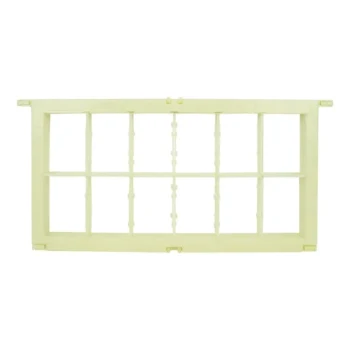
- Plastic Honey Comb Frames Cassette Box for Honey
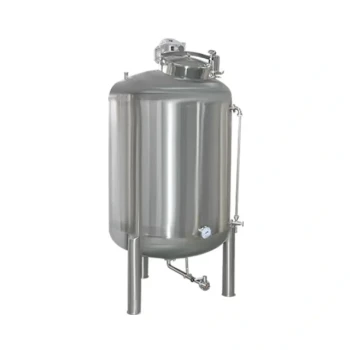
- Stainless Steel Honey Storage Tank with Lid for Honey
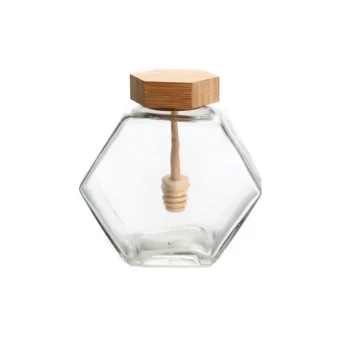
- Hexagonal Glass Honey Jar with Wooden Lid Integrated Dipper Elegant Functional Storage
- Professional Honey Storage Tank with Agitation System
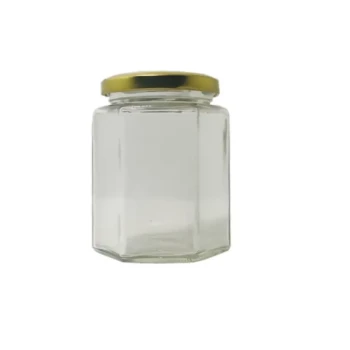
- Classic Glass Honey Jar with Metal Lug Cap for Beehive Storage
People Also Ask
- How are honeybee combs utilized for non-destructive colony monitoring? Master Population Density Tracking
- What is the significance of sampling honeycomb frames and hive bottoms? A Guide to Scientific Sanitation Monitoring
- What is a honeycomb frame? The Key to Modern, Sustainable Beekeeping
- What is the technical purpose of exchanging honeycomb frames? Master Apiary Equalization for Growth
- What frame to use for honeycomb? Choose the Right System for Pure, Edible Comb