If immediate installation is not possible, you must store package honey bees in a dark, quiet location with an ambient temperature maintained between 50°F and 70°F. Throughout this holding period, you are required to actively feed the colony three to four times daily by spraying or brushing a 1:1 sugar-water syrup directly onto the screen sides of the package.
The primary objective during storage is to induce a state of calm to minimize energy consumption. By eliminating light and regulating temperature, you reduce the bees' metabolic rate, while frequent feeding prevents the rapid onset of dehydration and starvation.
Creating the Optimal Environment
Controlling the Temperature
Strict adherence to the temperature range of 50°F to 70°F is critical for survival.
If the temperature drops significantly below 50°F, the bees may cluster too tightly and lose the ability to access their feed. Conversely, temperatures above 70°F can cause the bees to become overactive and overheat, depleting their energy reserves.
Managing Light and Sound
The storage location must be kept dark and quiet.
Light acts as a stimulant for bees, encouraging them to fly and consume resources. Keeping them in darkness mimics night or the interior of a hive, which keeps the colony calm and reduces the consumption of the supplied syrup.
Nutrition and Hydration Protocols
The Feeding Solution
You must prepare a syrup mixture using a 1:1 ratio of sugar to water or use a high fructose corn syrup mix.
This ratio mimics natural nectar flow, providing the necessary carbohydrates for energy.
Application Frequency
Hydration is the single biggest factor in bee survival during storage; you should feed the bees three to four times daily.
While some sources suggest twice daily is sufficient, the primary requirement for healthy bees is preventing dehydration. More frequent applications ensure the screen remains accessible as a food source throughout the day.
Application Method
Apply the syrup by spraying or brushing it directly onto the wire screen of the package.
Do not soak the bees directly; the goal is to coat the screen mesh so the bees can extend their tongues through the wire to feed.
Understanding the Trade-offs
The Risk of Extended Storage
While these methods allow you to delay installation, every hour the bees spend in the package is stressful.
Extended confinement, even with feeding, slowly depletes the colony's internal protein reserves (pollen is not usually provided in syrup). This can slightly delay brood rearing once they are finally installed in the hive.
Temperature vs. Humidity Balance
Spraying syrup increases the humidity around the package.
In a cool, stagnant room (near the 50°F mark), excessive spraying without ventilation can lead to dampness, which is detrimental to bee health. Ensure the storage area has enough airflow to prevent mold or sogginess while maintaining the required temperature.
Making the Right Choice for Your Goal
When managing a delay in package installation, tailor your approach based on your specific situation:
- If your primary focus is maximizing survival duration: Keep the temperature closer to 50°F and ensure absolute darkness to lower their metabolic rate as much as possible.
- If your primary focus is preparing for immediate release: Ensure a heavy feeding session occurs shortly before installation to ensure the bees are full, which makes them calmer and easier to handle.
A cool, dark environment combined with aggressive hydration is the only reliable way to protect your investment until the hive is ready.
Summary Table:
| Storage Factor | Ideal Requirement | Purpose |
|---|---|---|
| Temperature | 50°F - 70°F (10°C - 21°C) | Prevents clustering from cold or overheating |
| Light Level | Dark and Quiet | Minimizes activity and metabolic energy loss |
| Feeding Ratio | 1:1 Sugar-Water Syrup | Mimics nectar flow for optimal carbohydrate intake |
| Frequency | 3 to 4 times daily | Prevents dehydration and maintains colony health |
| Method | Spraying or brushing mesh | Safe delivery of nutrition without soaking the bees |
Scaling Your Beekeeping Operation with HONESTBEE
Properly storing your bees is just the first step in maintaining a productive apiary. At HONESTBEE, we support commercial apiaries and distributors by providing the industrial-grade tools and equipment necessary for large-scale success. From precision honey-filling machines to durable hive-making machinery and essential consumables, our comprehensive wholesale catalog is designed to optimize your workflow.
Ready to upgrade your equipment or stock high-quality beekeeping supplies? Contact us today to discover how our professional solutions can enhance your efficiency and yield.
Related Products
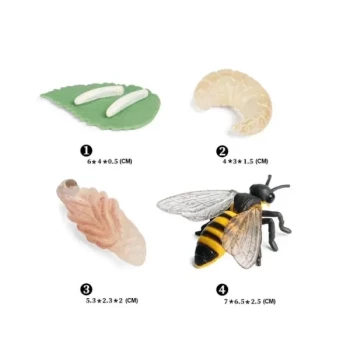
- Honey Bee Life Cycle Model 4 Stage Educational Set for Kids Learning
- Assembled Wooden Bee Frames with Beeswax Foundation Ready to Use by HONESTBEE
- Durable 16 Way Circular Bee Escape for Efficient Honey Harvesting
- Australian Langstroth Beehive Boxes for Beekeeping Wholesales
- HONESTBEE Anatomy Bee Model Detailed Anatomical Display for Education and Study
People Also Ask
- How do honey bees utilize water to regulate the internal temperature of the hive? Master Evaporative Cooling Methods
- What criteria should be considered in the selection process for honey bee breeding? Top Traits for Sustainable Apiaries
- Is it good to have honey bees in your yard? A Guide to Boosting Your Garden's Health
- What should be considered when learning the behavior of honey bees and their queens? Master Colony Management
- What activities require a lot of energy for honey bees? Understanding the Colony's Energy Budget