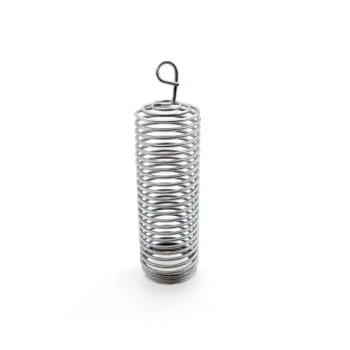
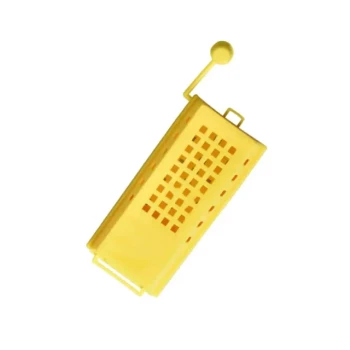
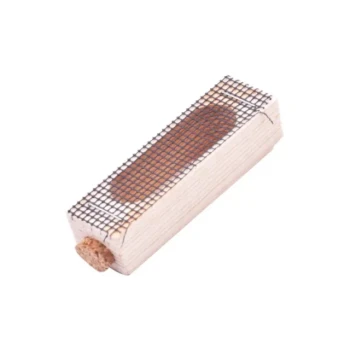
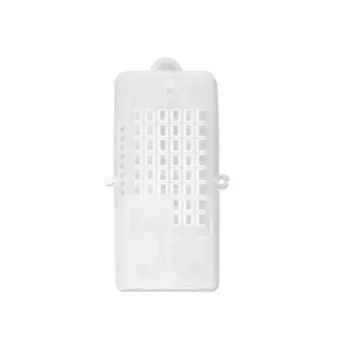
To maximize winter survival in cold regions, specialized queen cages within multi-queen colonies must be configured to keep queens in close physical contact at the precise center of the bee cluster. This centralized configuration ensures that every queen benefits from the colony's natural thermoregulation, preventing the cold stress that typically leads to high mortality rates during dormant periods.
By grouping queens together within the hive's thermal core, you leverage the colony's collective warmth to maintain optimal metabolic rates for multiple queens, ensuring they receive consistent care throughout the winter.
The Mechanics of Winter Configuration
Centralizing the Queen Cluster
The primary requirement for wintering multiple queens is positioning. The specialized cages must be placed in the geometric center of the hive body where the bee cluster naturally forms.
If cages are placed on the periphery or separated by frames, the queens risk being left outside the warmth of the cluster as the bees contract during extreme cold.
Facilitating Close Physical Contact
The configuration must allow the queens to maintain close physical proximity to one another.
While queens are naturally solitary and territorial, winter confinement requires them to share heat. The cages should be arranged so that the queens form a tight "cluster within a cluster," minimizing heat loss between individual cages.
Utilizing Specialized Enclosures
Standard shipping cages are often insufficient for this specialized task.
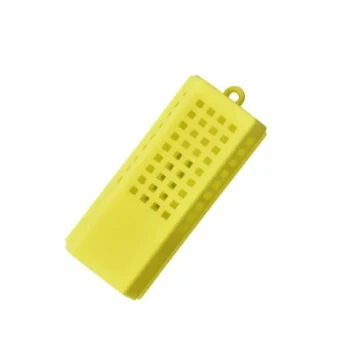
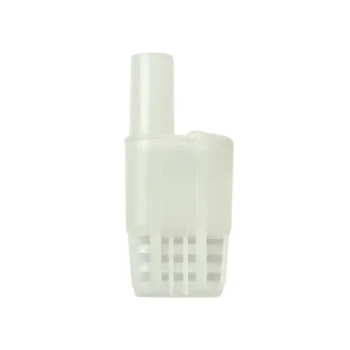
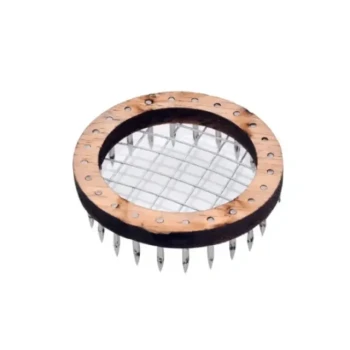
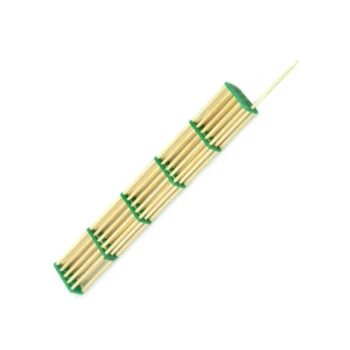
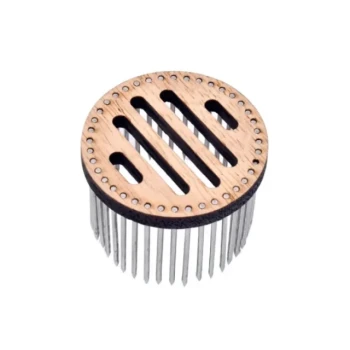
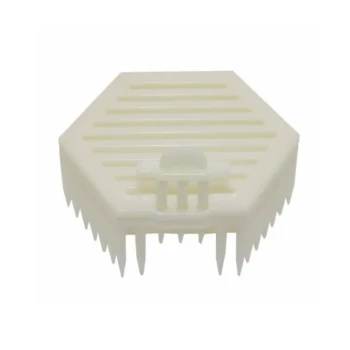
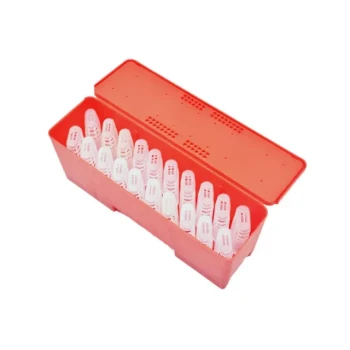
You should utilize specialized queen cages or cluster frames designed specifically for this purpose. These apparatuses are engineered to hold multiple queens securely while maximizing the surface area available for the worker bees to interact with and warm them.
Leveraging Natural Thermoregulation
Harnessing Collective Body Heat
The bee colony survives winter by vibrating wing muscles to generate heat, creating a microclimate within the cluster.
By locating the queen cages at the center, you place the queens in the warmest part of the hive. This reduces the metabolic energy the queens must expend individually to stay alive.
Ensuring Continuous Care
Queens cannot feed themselves; they rely on attendants.
A centralized configuration ensures that the queens remain in the highest density of worker bees. This guarantees that all queens receive adequate care and nutrition, regardless of the plummeting external temperatures.
Understanding the Trade-offs
The Risk of Cluster Movement
A stationary cage system has one major vulnerability: the bee cluster moves.
As the colony consumes honey stores, the cluster moves upward or sideways. If the specialized cages are fixed in a position that the cluster eventually migrates away from, the queens may be abandoned and freeze, causing total failure.
Complexity of Management
Maintaining a multi-queen system requires more precision than a standard single-queen hive.
The beekeeper must accurately predict where the cluster will settle. Misjudging the center of the winter cluster by even a few inches can result in the queens being on the thermal fringe, leading to chilled brood or dead queens.
Making the Right Choice for Your Goal
When configuring your hives for winter, consider your specific objectives:
- If your primary focus is reducing mortality: Prioritize placing the queen bank in the absolute center of the hive body to maximize heat absorption.
- If your primary focus is colony resource management: Ensure the central cage configuration is surrounded by ample honey stores to prevent the cluster from migrating away from the queens.
Properly centralized queen placement effectively turns the colony's survival instinct into a life-support system for your valuable queens.
Summary Table:
| Configuration Key | Wintering Requirement | Benefit to Colony |
|---|---|---|
| Placement | Geometric center of the hive body | Ensures queens stay within the thermal core |
| Proximity | Close physical contact (cluster within a cluster) | Minimizes heat loss between individual queens |
| Equipment | Specialized queen banks or cluster frames | Maximizes worker interaction and heat transfer |
| Resources | Surrounding honey stores | Prevents cluster migration away from queens |
| Maintenance | High precision cluster prediction | Guarantees continuous care and nutrition |
Secure Your Apiary’s Future with HONESTBEE
Successfully managing multi-queen colonies in cold climates requires precision-engineered equipment and a deep understanding of colony thermoregulation. HONESTBEE is dedicated to supporting commercial apiaries and distributors by providing the industry's most reliable beekeeping tools and machinery.
From specialized queen-rearing hardware to high-capacity honey-filling machines, our comprehensive wholesale offering ensures your operation has the essential consumables and hardware needed to thrive. Whether you are scaling your commercial colony count or supplying the next generation of beekeepers, we bring the expertise and equipment to help you succeed.
Ready to upgrade your beekeeping operations?
Contact HONESTBEE today to explore our full spectrum of professional-grade equipment and wholesale solutions.
References
- Huoqing Zheng, Vincent Dietemann. Maintenance and application of multiple queen colonies in commercial beekeeping. DOI: 10.3896/ibra.1.48.4.10
This article is also based on technical information from HonestBee Knowledge Base .
Related Products
- Durable Galvanized Steel Spring Queen Bee Cage
- Professional Queen Cage with Sliding Gate and Feeder Plug
- Classic Wooden and Mesh California Queen Cage
- Professional Queen Bee Introduction and Transport Cage
- Professional Multi-Functional Queen Bee Cage
People Also Ask
- Why are specialized queen bee cages used for the banking of mated queen bees? Maximize Commercial Apiary Storage Efficiency
- What is the mechanism of action for using temporary queen bee cages? Master Successful Queen Introduction
- What is the step-by-step process for installing a queen bee's cage onto a frame? Ensure Hive Acceptance Safely
- What is the optimal placement for a queen bee cage? Essential Strategies for Successful Re-queening
- What are the advantages and disadvantages of introducing a queen bee by embedding the cage? Boost Your Queen Acceptance