Using a honey filtering machine extends shelf life primarily by eliminating physical impurities that act as catalysts for spoilage and crystallization. By removing particulate matter such as wax, pollen, and organic debris, the machine reduces the biological load that can lead to fermentation and preserves the honey's optimal texture.
The Core Mechanism Honey spoilage and degradation are often triggered by foreign particles trapped within the liquid. Filtration acts as a stabilization process, removing the contaminants that harbor yeast or serve as "nucleation sites" for sugar crystals, thereby keeping the honey fresh, clear, and liquid for a significantly longer duration.
The Mechanics of Preservation
Eliminating Biological Contaminants
Raw harvested honey naturally contains debris, including wax fragments, larval remains, and bee parts. These organic impurities are not just unsightly; they can introduce moisture or harbor yeasts.
If left in the honey, these contaminants increase the risk of fermentation, which causes the honey to sour and spoil. Filtration removes this organic matter, effectively sanitizing the product environment without chemical additives.
Delaying Natural Crystallization
While crystallization is a natural process, it is often perceived by consumers as "spoilage" or a loss of quality. Crystals form around microscopic particles suspended in the honey.
Filtering equipment removes these particles, known as "nucleation sites." By stripping away the solid matter that sugar crystals need to latch onto, the filtration process significantly delays the onset of solidification, maintaining the honey in a desirable liquid state for months or years longer than unfiltered varieties.
How the Process Optimizes Quality
Progressive Filtration
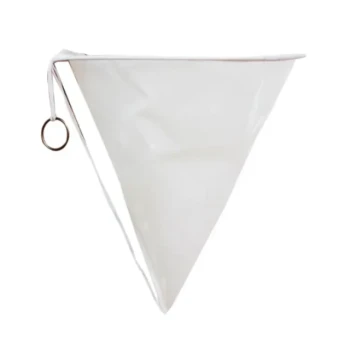
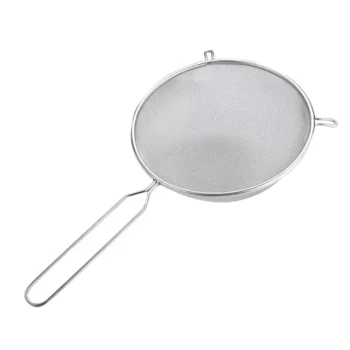
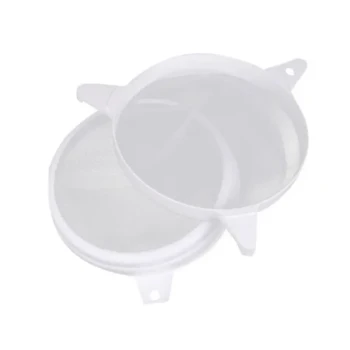
High-precision machines do not simply rely on a single screen. They typically employ a series of filters that move from coarse to fine mesh.
This stepwise approach ensures that large debris (like wax caps) is caught first, followed by finer particulate matter. This results in a highly transparent, "polished" product that meets strict commercial visual standards.
Thermal Integration
Many filtering machines incorporate a heating element. The honey is gradually warmed in a tank before passing through the filters.
This serves two purposes: it liquefies any pre-existing sugar crystals and lowers the viscosity of the honey. This ensures a smoother flow through the fine mesh, preventing clogging and ensuring a more consistent removal of impurities.
Understanding the Trade-offs
"Raw" Status vs. Shelf Stability
There is a delicate balance between extending shelf life and maintaining a "raw" classification. Aggressive filtration that uses high heat or extremely fine mesh (ultra-filtration) can remove beneficial pollen and natural enzymes.
While this maximizes shelf life and clarity, it may alienate consumers looking for the health benefits of raw honey.
The Risk of Over-Processing
If the goal is purely shelf life, one might be tempted to use high pressure and heat to speed up filtration. However, excessive heat degrades the quality of the honey, damaging its flavor profile and nutritional value.
A high-quality filtering machine allows for the removal of macro-impurities while preserving the delicate enzymes that define premium honey.
Making the Right Choice for Your Goal
To maximize the benefits of filtration, align your process with your target market:
- If your primary focus is Mass Market Retail: Prioritize finer filtration and thermal integration to maximize clarity and delay crystallization, as shelf aesthetics drive these sales.
- If your primary focus is the Health/Organic Market: Utilize a coarser filtration setting to remove visible debris (wax/bee parts) while intentionally retaining pollen to preserve the "raw" label and nutritional value.
Ultimately, a honey filtering machine is not just a cleaning tool; it is a critical asset for stabilizing your product against the natural forces of fermentation and physical degradation.
Summary Table:
| Feature | Impact on Shelf Life | Preservation Mechanism |
|---|---|---|
| Debris Removal | Prevents Fermentation | Eliminates organic matter (wax, bee parts) that harbors wild yeasts. |
| Fine Filtration | Delays Crystallization | Removes microscopic nucleation sites that trigger sugar solidification. |
| Thermal Control | Ensures Consistency | Liquefies existing crystals and lowers viscosity for thorough impurity removal. |
| Graded Mesh | Enhances Clarity | Provides a polished, transparent appearance preferred by mass-market retailers. |
Elevate Your Honey Production with HONESTBEE Professional Solutions
Maximize your product's shelf stability and commercial appeal with HONESTBEE. As a premier partner for commercial apiaries and distributors, we offer a comprehensive wholesale range of specialized beekeeping equipment—from high-precision honey-filling machines to advanced filtering systems.
Whether you are scaling a commercial operation or supplying the industry, our portfolio includes everything from specialized hardware to essential consumables and honey-themed cultural merchandise. Contact us today to discover how our professional-grade machinery can streamline your processing and deliver premium quality honey to your target market.
Related Products
- Professional Stainless Steel Honey Filtering Machine with Water Bath Heating for Beekeeping
- Electric Double Wall Honey Filtering Machine Purifier Equipment for Honey Processing Plant
- Automatic Honey Filling and Filtering Machine for Beekeeping Bottle Filling
- Honey Concentrating and Filtering Dehumidifier Machine 2T Capacity for Honey
- 0.5T Capacity Honey Dehumidifier Dryer with Vacuum Heating and Thickening Filtering Machine
People Also Ask
- Why is filtering honey an important step in honey processing? Ensure Purity, Clarity & Marketability
- Why do people filter honey? For Clarity, Stability, and Consumer Appeal
- Is it necessary to filter honey after extraction? A Guide to Straining vs. Raw Honey
- What is the best way to filter honey? A Guide to Quality, Clarity, and Raw Preservation
- What are the benefits of using honey filters? Achieve Purity, Efficiency, and Market Appeal