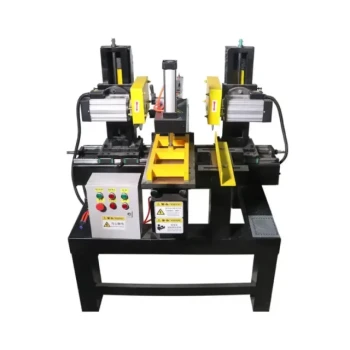
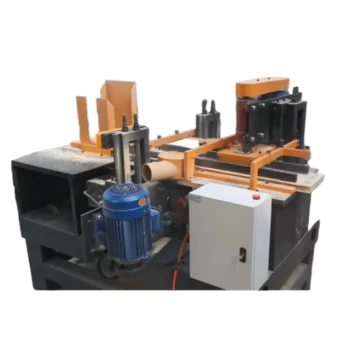
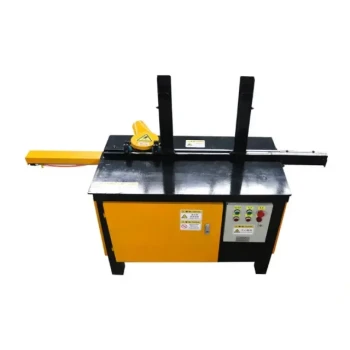
Modern beehive manufacturing machinery fundamentally transforms commercial beekeeping from a manual craft into a scalable industrial operation. By producing standardized, highly durable hives with superior thermal sealing, this technology directly enables the use of automated honey extraction systems and supports the rigorous logistics of migratory beekeeping, thereby drastically reducing labor costs and operational complexity.
Core Takeaway The shift to mechanized production is not simply about manufacturing speed; it is about establishing a reliable, uniform infrastructure. By ensuring total dimensional consistency and structural integrity, modern machinery creates the physical foundation required for automation, mass logistics, and rapid colony scaling.
The Role of Precision Standardization
Enabling Automated Extraction
The primary catalyst for commercial scale is the interoperability between the hive and extraction equipment. Industrial machinery ensures that hive bodies and frames meet exact dimensional specifications. This uniformity allows automated honey extraction lines to uncap and spin frames rapidly without jamming or requiring manual adjustment, a critical factor in high-volume production.
Universal Component Interchangeability
In a large-scale apiary, managing thousands of unique components is impossible. Precision woodworking tools utilize specific slotting and cutting processes to ensure every frame fits every box. This total interchangeability allows beekeepers to swap frames between colonies instantly during inspections or swarm management, significantly streamlining daily operations.
Biosecurity and Disease Management
Standardized construction does more than fit together; it protects the colony. High-precision manufacturing creates tighter seals and consistent internal volumes. This standardized environment helps maintain biosecurity, minimizing disease transmission vectors and allowing for more controlled application of treatments compared to irregular, manually built hives.
Durability in Migratory Operations
Withstanding Transport Stress
Commercial beekeeping often relies on migratory pollination services, where hives are frequently loaded onto trucks and moved long distances. Mechanically produced hives feature machine-cut joints and uniform assembly that offer superior structural stability. This durability reduces physical wear and tear during transit, preventing hive collapse and lowering the costs associated with equipment repair.
Superior Thermal Regulation
Machinery enables the production of hives with superior sealing and thermal insulation properties. Unlike manually constructed hives which may have gaps, machine-made hives provide a stable, controlled climate. This allows the colony to regulate temperature more efficiently, reducing stress on the bees during transport and overwintering, which directly correlates to lower colony loss rates.
Economic and Operational Efficiency
Economies of Scale
By utilizing mechanized processing, producers can significantly reduce the unit cost of infrastructure. This reduction in the cost of physical assets allows professional beekeepers to rapidly expand their colony counts without a prohibitive initial investment. It also helps domestic producers remain competitive against low-priced imports by optimizing production workflows.
Reducing Labor Dependency
The standardization provided by these machines removes the need for skilled carpentry in the field. Furthermore, because the hardware is consistent, management complexity is reduced. Beekeepers spend less time fixing equipment or struggling with stuck frames, allowing a smaller workforce to effectively manage a larger number of hives.
Understanding the Trade-offs
The Requirement for Rigorous Calibration
While mechanization offers consistency, it introduces a dependency on machine calibration. If the manufacturing equipment drifts even slightly out of specification, it can result in large batches of non-compliant components. In a system reliant on total interchangeability, a minor manufacturing error can disrupt the entire workflow of an automated extraction line.
Initial Capital vs. Long-term Gain
Implementing industrial-grade machinery requires a shift in business modeling. It demands an upfront investment in technology to replace manual labor. Smaller operations may find this cost prohibitive, meaning this advantage is heavily skewed toward operations aiming for rapid, volume-based expansion rather than artisanal, small-batch honey production.
Making the Right Choice for Your Goals
To leverage modern manufacturing technology effectively, align your equipment choice with your primary operational objective:
- If your primary focus is Migratory Pollination: Prioritize machinery that guarantees structural stability and joint precision to withstand the mechanical stress of frequent transport.
- If your primary focus is Commercial Honey Production: Ensure your machinery produces components with strict dimensional tolerance to prevent jams in automated extraction lines.
- If your primary focus is Rapid Expansion: Look for systems that offer the lowest unit production cost while maintaining basic biosecurity standards to maximize your budget.
Ultimately, the value of modern hive machinery lies in its ability to turn the hive from a variable craft product into a reliable, standardized industrial asset.
Summary Table:
| Feature | Impact on Commercial Beekeeping | Key Benefit |
|---|---|---|
| Precision Standardization | Ensures total interoperability with automated extraction lines. | Reduces labor and prevents jams. |
| Machine-Cut Joints | Enhances structural integrity for migratory transport. | Minimizes equipment loss during transit. |
| Thermal Sealing | Provides superior insulation and consistent internal climates. | Lower colony stress and overwinter loss. |
| Unit Cost Reduction | Lowers the capital investment required for infrastructure. | Facilitates rapid colony expansion. |
Scale Your Apiary Operations with HONESTBEE
Transitioning from manual crafts to industrial efficiency requires a partner who understands the demands of commercial scale. HONESTBEE specializes in serving commercial apiaries and distributors with a comprehensive range of high-precision beekeeping tools, machinery, and essential consumables.
From industrial hive-making and honey-filling machines to durable hardware and honey-themed cultural merchandise, we provide the standardized infrastructure you need to eliminate operational complexity. Our solutions ensure your components are perfectly interchangeable, your hives are transport-ready, and your honey production is fully optimized for automation.
Ready to transform your productivity? Contact HONESTBEE today to discuss our wholesale offerings and discover how our specialized equipment can drive your business growth.
References
- Kawan Sirwan, Hemin Neima. The Constrains and Challenges of Beekeeping in Sulaymaniyah Governorate, Kurdistan Region, Iraq. DOI: 10.21608/jaess.2019.67526
This article is also based on technical information from HonestBee Knowledge Base .
Related Products
- HONESTBEE Top Bar & Bottom Bar Forming Machine | Bee Frame Machine
- Mini Desktop Bee Hive Frame Forming Making Machine
- Beehive Handle and Frame Rest Cutting Machine: Your Specialized Hive Machine
- Beeswax Machine Press Embosser Wax Foundation Mold Printer Bee Hive Equipment Making Sheet
- Beehive Machine Double End Saw for Precision Hive Component Manufacturing
People Also Ask
- What is the primary function of the Top Bar and Bottom Bar Forming Machine? Automate Hive Frame Production Excellence
- How does the Top Bar and Bottom Bar Forming Machine process wooden strips? High-Precision Frame Component Production
- What is the operational sequence of the Top Bar and Bottom Bar Forming Machine? Precision Beekeeping Frame Manufacturing
- What are the key benefits of investing in the Top Bar and Bottom Bar Forming Machine? Scale Your Hive Production Now
- What customization options are available for the Top Bar and Bottom Bar Forming Machine? Engineered for Any Hive Standard