Heating honey before extraction is not required and is generally discouraged. While keeping the extraction room warm facilitates flow, applying direct heat to the honeycomb is unnecessary and can compromise the quality of your harvest.
Core Takeaway You do not need to heat honey to extract it; doing so risks damaging delicate enzymes and flavor compounds. Instead of heating the frames, focus on maintaining a warm ambient room temperature (80-90°F) and low humidity to ensure proper viscosity and preservation.
The Role of Temperature in Extraction
Ambient Warmth vs. Direct Heat
There is a distinct difference between working in a warm environment and heating the honey itself.
While not strictly essential, an ambient room temperature of roughly 80-90°F is considered ideal.
This ambient warmth naturally lowers the honey's viscosity, allowing it to flow freely from the comb without the risks associated with thermal processing.
The Risks of Heating
Applying direct heat before extraction is counterproductive to quality.
Excessive heat can degrade the chemical structure of the honey, destroying beneficial enzymes and altering the flavor profile.
For the highest quality product, extraction should rely on mechanical force (centrifugal or pressing) rather than thermal liquefaction.
Critical Environmental Factors
Controlling Humidity
The moisture content of the air is often more critical than the temperature.
Honey is hygroscopic, meaning it readily absorbs moisture from the surrounding atmosphere.
You should avoid extracting on rainy or highly humid days, as excess moisture absorption can lead to fermentation and spoil the honey during storage.
Maintaining a Dry Workspace
To prevent contamination and spoilage, the extraction location must be completely dry.
Ensure all equipment, including the extractor and bottling tools, is free of moisture before beginning the process.
Isolation is also key; the space should be sealed off from bees, which will be attracted to the scent of the exposed honey.
Tools and Methods
Cold Uncapping
The tools used to prepare frames for extraction are designed to work effectively without heat.
Uncapping scratchers and cold knives are standard tools used to remove the wax cappings that seal the honey cells.
These tools mechanically breach the comb, allowing the honey to be spun or pressed out without thermal intervention.
Extraction Techniques
The physical removal of honey relies on mechanics, not temperature.
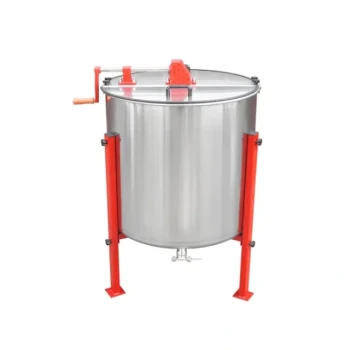
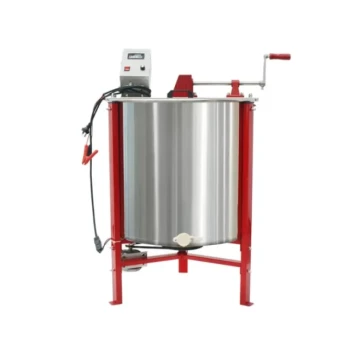
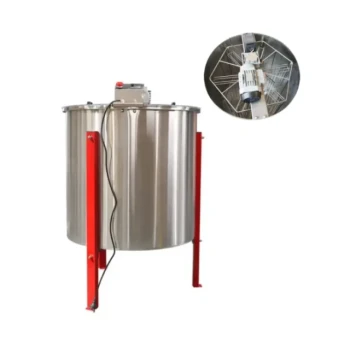
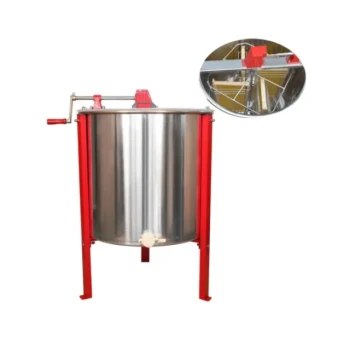
Centrifugal extractors spin the frames to throw the honey out, while presses physically squeeze the honey from the comb.
If using the pressing method, it is best performed immediately after harvesting while the comb retains the natural warmth of the hive.
Understanding the Trade-offs
Flow Rate vs. Quality
Working with cold honey (below 70°F) will result in slower extraction and more honey left behind in the comb.
However, choosing to work at cooler temperatures guarantees the preservation of the honey's raw properties.
The trade-off is a slight loss in yield or speed in exchange for a superior, unaltered product.
Processing vs. Preservation
Some methods suggest warming honey in a water bath after extraction to facilitate straining or bottling.
While this helps remove impurities like wax bits, it is a post-extraction step, not a pre-extraction requirement.
Every time you apply heat, even gently, you move further away from the classification of "raw" honey.
Making the Right Choice for Your Goal
To achieve the best results, tailor your approach to your specific environmental constraints.
- If your primary focus is Maximum Quality: Avoid all heat sources, extract at room temperature, and prioritize low humidity to keep the honey raw.
- If your primary focus is Efficiency/Yield: Raise the ambient temperature of the room to 90°F to maximize flow without applying direct heat to the frames.
The best extraction process respects the chemistry of the honey by controlling the environment, not the temperature of the comb.
Summary Table:
| Factor | Recommended Condition | Why It Matters |
|---|---|---|
| Direct Heat | Not Recommended | Prevents damage to delicate enzymes and flavor. |
| Room Temperature | 80-90°F (27-32°C) | Lowers viscosity for faster flow without degrading quality. |
| Humidity Level | Low / Dry | Honey is hygroscopic; high humidity leads to fermentation. |
| Extraction Method | Mechanical (Spin/Press) | Relies on centrifugal force rather than thermal liquefaction. |
| Uncapping Tools | Cold Knives / Scratchers | Safely removes wax cappings without thermal intervention. |
Elevate Your Beekeeping Operation with HONESTBEE
At HONESTBEE, we understand that professional beekeeping requires precision and the right equipment to maintain the integrity of your harvest. Whether you are a commercial apiary or a distributor, we provide a comprehensive wholesale range of specialized hardware, including high-efficiency honey-filling machines, hive-making machinery, and industrial-grade extractors.
From essential consumables to honey-themed cultural merchandise, we equip you with everything needed to scale your production and maintain superior quality. Contact us today to discuss how our professional-grade tools and machinery can optimize your facility's performance!
Related Products
- Electric 8 Frame Honey Spinner Extractor Equipment for Beekeeping
- 6 Frame Manual Stainless Steel Honey Extractor Beekeeping Equipment
- HONESTBEE 2 Frame Manual Acrylic Honey Extractor Beekeeping Equipment
- HONESTBEE 72 Frame Industrial Electric Honey Extractor for Beekeeping
- 32 Frame Commercial Electric Honey Extractor for Beekeeping and Honey Production
People Also Ask
- What are the advantages of an electric honey extractor? Boost Efficiency and Scale Your Honey Production
- What are the characteristics of electric honey extractors? Boost Your Apiary Efficiency with Automated Technology
- What are the disadvantages of using an electric honey extractor? Weighing Cost, Power, and Comb Safety
- What are the features of an electric honey extractor? Boost Your Apiary's Productivity with Motorized Efficiency
- What are the technical advantages of electric honey extractors? Maximize Yield and Protect Your Bee Colony