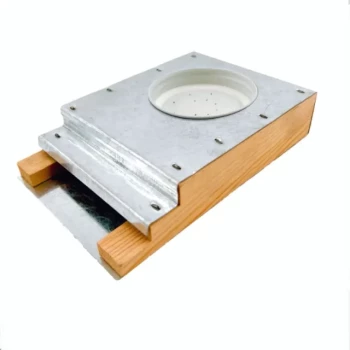
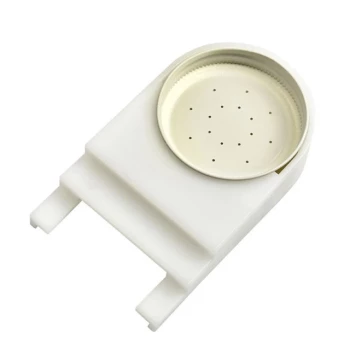
No, keeping a feeder on your hive year-round is likely not necessary. Honey bees are naturally industrious and largely self-sufficient creatures. Feeders are designed to serve as a temporary "helping hand" during specific environmental challenges, rather than a permanent fixture of the apiary.
Beekeeping requires balancing support with natural behavior. Feeders are intervention tools intended for difficult periods or food shortages, not for continuous use in a healthy, established colony.
The Principle of Hive Self-Sufficiency
Bees as Natural Foragers
Under normal circumstances, a bee colony is fully capable of sustaining itself.
They are biologically driven to forage for nectar and pollen in their surrounding environment to build their own winter stores.
The Purpose of the Feeder
You should view the feeder as a supplement, not a staple.
Its primary function is to bridge the gap when natural resources are temporarily unavailable or insufficient for the colony's survival.
When Intervention is Actually Required
Identifying "Difficult Periods"
The primary reference highlights that feeders are for "difficult periods."
This typically refers to times of drought, seasonal transitions, or "dearths" when blooming plants are scarce.
Monitoring Before Acting
The decision to feed should never be automatic.
You must actively monitor the hive for food shortages by inspecting their honey stores before deciding to install a feeder.
Understanding the Trade-offs
Risk of Dependency
By feeding year-round, you may inadvertently discourage the bees from their natural foraging duties.
Over-reliance on provided food can disrupt the colony's natural instincts to seek out diverse local nutrition.
Redundant Effort
If the environment is providing ample nectar, a feeder is simply unnecessary equipment.
Using one when bees are self-sufficient is a waste of resources and adds unnecessary complexity to your hive management.
Making the Right Choice for Your Hive
To manage your colony effectively, focus on observation rather than routine feeding.
- If your primary focus is maintaining a healthy, established colony: Only use a feeder after an inspection confirms that food stores are critically low.
- If your primary focus is supporting bees during a dearth: Install the feeder temporarily as a "helping hand" and remove it once natural resources return.
Trust in your bees' ability to provide for themselves, but remain vigilant to support them when nature cannot.
Summary Table:
| Aspect | Recommendation | Purpose |
|---|---|---|
| Usage Period | Temporary / Seasonal | Bridge gaps during nectar dearths or droughts |
| Core Goal | Self-Sufficiency | Encourage natural foraging and hive health |
| Trigger | Inspection Findings | Feed only when honey stores are critically low |
| Risk of Overfeeding | Dependency | May disrupt natural instincts and hive management |
Maximize Your Apiary's Productivity with HONESTBEE
At HONESTBEE, we understand that professional beekeeping requires the right tools at the right time. Whether you are managing a large-scale commercial apiary or supplying the industry as a distributor, we provide the high-quality equipment you need to ensure colony success.
From precision honey-filling machines and hive-making equipment to a full spectrum of beekeeping tools and essential consumables, our wholesale solutions are designed for durability and efficiency. Let us help you support your bees' natural honey production with the best hardware in the industry.
Ready to upgrade your equipment? Contact us today to explore our comprehensive catalog and see how our expertise can benefit your business!
Related Products
- Rapid Bee Feeder White Plastic 2L Round Top Feeder for 8 or 10-Frame Bee Hives
- White Plastic 0.5L Beekeeping Entrance Feeder for Bees
- HONESTBEE Entrance Bee Feeder Professional Hive Nutrition Solution for Beekeeping
- HONESTBEE Professional Entrance Bee Feeder Hive Nutrition Solution
- Boardman Entrance Bee Feeder Durable Galvanized Steel and Wood Construction for Beekeeping
People Also Ask
- What should be done with feeders and equipment after feeding bees? Essential Steps for Apiary Health
- What should be done if feed in a feeder is not consumed by the bees? Prevent Hive Mold with Prompt Feed Management
- What is the necessity of specialized internal or entrance feeders? Secure Your Hive with Professional Feeding Tools
- How do bee feeders work to preserve colony health during nectar shortages? Essential Guide for Beekeepers
- How quickly does a medium to strong colony usually empty a feeder? A Beekeeper's Guide to Hive Health