The necessity of removing a queen excluder during winter is entirely dependent on your local climate. In regions with harsh, freezing winters, removing the excluder is a critical safety measure to prevent the queen from freezing to death. However, in milder climates like most parts of Australia where brood rearing continues year-round, removal is generally not required.
Core Takeaway: The danger of leaving a queen excluder on during a freezing winter is isolation. As the bee cluster moves upward to access honey stores and stay warm, the queen may be physically blocked by the excluder, leaving her trapped below to freeze or starve while the colony survives above her.
Surviving Long, Bitter Winters
In the Northern Hemisphere and other regions with deep freezes, winter survival is a mechanical challenge. The hive's priority shifts from production to heat generation.
The Dynamics of the Cluster
To survive the cold, honey bees form a tight cluster. They vibrate their wing muscles to generate heat, protecting the queen at the center of this ball.
Upward Migration
Heat rises, and honey stores are typically located in the upper boxes (supers) of the hive. As the colony consumes the honey in the lower boxes, the entire cluster—queen included—must slowly migrate upward to stay with the food source.
The Fatal Barrier
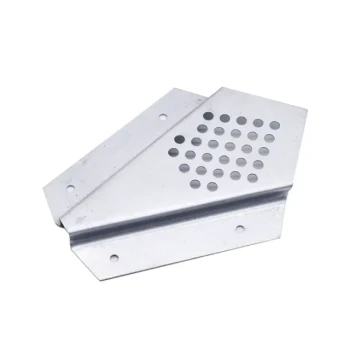
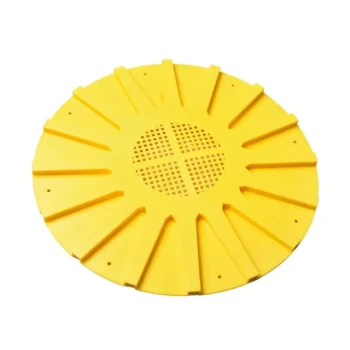
If a queen excluder is left in place, it acts as a filter. The smaller worker bees can easily pass through the mesh to follow the heat and food upward.
The larger queen, however, cannot pass through. She becomes trapped below the excluder. Once the cluster moves up out of her reach, she loses her heat source and will perish from exposure or starvation, ultimately dooming the colony.
Beekeeping in Milder Climates
The rules change significantly for beekeepers in temperate zones, such as most of Australia.
Continuous Activity
In these regions, the winters are not severe enough to force the bees into a permanently tight, immobile cluster. Brood rearing often continues at low levels throughout the year.
Reduced Isolation Risk
Because the colony remains relatively active and does not need to migrate vertically as a single, desperate unit to survive freezing temperatures, the risk of the queen being left behind is minimal. Consequently, removing the excluder is usually unnecessary in these environments.
Understanding the Trade-offs
While the decision is largely climate-driven, it is important to understand the broader implications of using excluders, which can influence your winter prep strategy.
Artificial Separation
A queen excluder forcibly separates honey stores from the brood chamber. In transitional seasons, this can cause long-term colony issues if the bees perceive a barrier between their food and their young.
Physical Wear on Bees
Beyond winter survival, excluders present a physical challenge. The mesh openings can damage the wings of worker and drone bees as they squeeze through, potentially shortening their lifespan or reducing their foraging efficiency.
Making the Right Choice for Your Apiary
Your decision should be based on the severity of your winter season.
- If your location experiences freezing temperatures (Northern Hemisphere): Remove the excluder to ensure the queen can migrate freely with the cluster to food and warmth.
- If your location has mild winters (e.g., Australia): You may leave the excluder in place, as the risk of queen isolation is low due to continuous brood rearing.
Prioritize the queen's access to the cluster's heat above all other hive management goals during the dormant season.
Summary Table:
| Winter Climate Type | Removal Necessary? | Primary Risk to Colony |
|---|---|---|
| Freezing / Harsh | Yes | Queen trapped below, freezing/starvation |
| Mild / Temperate | No | Minimal; brood rearing often continues |
| Transitional | Recommended | Reduced cluster mobility and wing wear |
Optimize Your Apiary for Winter Survival with HONESTBEE
Protecting your queen is the first step toward a productive spring. At HONESTBEE, we understand the unique challenges faced by commercial apiaries and distributors. Whether you need specialized hive-making machinery to build more insulated hives or premium beekeeping tools to manage your colonies, we provide the full spectrum of wholesale equipment and consumables tailored to your needs.
From honey-filling machines to honey-themed cultural merchandise, we help you scale your business with quality you can trust. Contact us today to discuss your wholesale requirements and let us help you grow your beekeeping operation.
Related Products
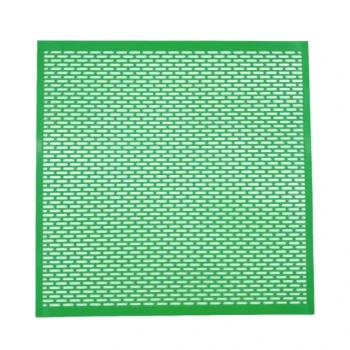
- High Performance Plastic Queen Excluder for Beekeeping and Apiary Management
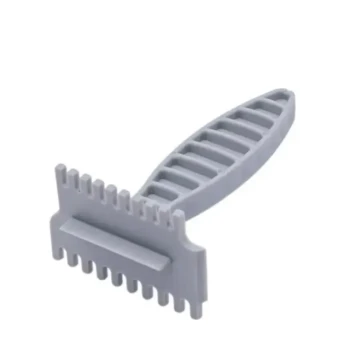
- Lightweight Durable Plastic Queen Excluder Scraper for Beekeeping
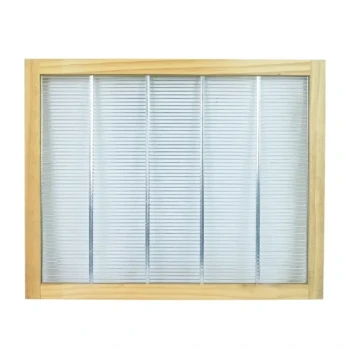
- Premium Wood Framed Metal Wire Queen Bee Excluder
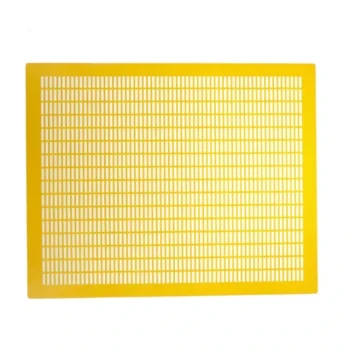
- Professional Plastic Queen Excluder for Modern Beekeeping
- Metal Queen Bee Excluder for Beekeeping
People Also Ask
- What are the characteristics of a plastic queen excluder? Key Benefits for Cost-Effective Beekeeping
- What are the operational and cost advantages of using plastic queen excluders over metal or wire excluders in commercial hive management? Discover how they reduce labor, prevent wing damage, and lower total costs.
- What types of queen excluders are available for beekeepers? Choose the Right Tool for Your Hive
- Why are standardized hive frames and queen excluders essential for maintaining honey purity and quality? Scale Your Purity
- Do plastic queen excluders work? A Cost-Effective Solution for Modern Apiaries