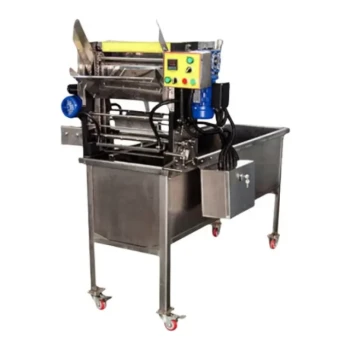
Automatic honey-filling machines provide the critical infrastructure necessary to scale beekeeping operations from artisanal production to industrial competitiveness.
These systems primarily streamline downstream processing by significantly increasing the speed of packaging while maintaining absolute precision in filling weight. By automating this stage, cooperatives can convert bulk honey into retail-ready units with a level of consistency and hygiene that manual processing simply cannot match.
Core Insight While the immediate benefit is operational speed, the deeper value lies in market access and sustainability. By enabling the production of high-margin, standardized retail products, these machines generate the economic returns required to fund upstream honeybee conservation and sustainable apiary management.
Driving Operational Efficiency
Handling Seasonal Production Surges
Beekeeping is inherently seasonal, often resulting in massive influxes of raw product that must be processed quickly.
Industrial-grade filling machines enable cooperatives to manage these volume spikes efficiently. They replace labor-intensive manual tasks with continuous, high-speed workflows that prevent bottlenecks during peak harvest times.
Minimizing Raw Material Loss
Manual filling inevitably leads to inconsistencies, spillage, and overfilling.
Automated systems utilize high-precision metering to control the exact volume and net weight of every container. This strict volumetric control minimizes physical honey loss, ensuring that maximum revenue is extracted from every harvest.
Elevating Product Quality and Safety
Eliminating Secondary Contamination
One of the greatest risks in honey processing is microbial or physical contamination during the bottling phase.
Automatic machines often feature enclosed or aseptic operations that drastically reduce direct human contact with the product. This prevents "secondary contamination," ensuring the final product meets the rigorous food safety standards required for commercial distribution.
Achieving Retail Standardization
Modern retail markets demand absolute consistency in product specifications and aesthetic quality.
An integrated line often combines cleaning, precision filling, vacuum capping, and labeling. This ensures that every unit on the shelf looks identical and meets commercial net weight standards, a prerequisite for building a trusted consumer brand.
The Economic Cycle of Conservation
From Bulk Commodity to Brand Premium
The primary reference highlights a critical strategic advantage: the shift from bulk sales to high-value goods.
By processing honey into finished commodities, cooperatives capture the brand premium typically lost to third-party packers. This creates a stronger economic foundation for the cooperative members.
Supporting Upstream Sustainability
The efficiency of downstream processing is directly linked to the health of the apiary.
The increased economic returns generated by automated processing provide the capital necessary to invest in upstream honeybee conservation. This creates a virtuous cycle where efficient processing supports the biological sustainability of the hives.
Understanding the Trade-offs
Capital Investment vs. Labor Flexibility
While automation reduces long-term labor costs, it requires significant upfront capital. Cooperatives must weigh the cost of the machinery against the flexibility of manual labor, which may be more cost-effective for very small or highly variable batch sizes.
Maintenance and Technical Skill
Transitioning to automated lines shifts the skill requirement from general labor to technical maintenance.
Cooperatives must ensure they have access to personnel capable of maintaining high-precision equipment. A machine breakdown during a harvest surge can be more disruptive than a labor shortage if technical support is not readily available.
Strategic Implementation for Cooperatives
## Making the Right Choice for Your Operation
To maximize the benefits of automation, prioritize your investment based on your cooperative's specific strategic goals:
- If your primary focus is Market Expansion: Prioritize machines with integrated capping and labeling to ensure your product meets the aesthetic and standardization requirements of major retailers.
- If your primary focus is Food Safety: specificy equipment with enclosed, aseptic filling capabilities to strictly minimize the risk of secondary contamination.
- If your primary focus is Profit Maximization: Focus on high-precision volumetric metering to eliminate product giveaway (overfilling) and reduce raw material waste.
Automation is not just about filling jars faster; it is the bridge that connects sustainable beekeeping with the economic reality of the modern marketplace.
Summary Table:
| Feature | Manual Filling | Automatic Filling Machine |
|---|---|---|
| Processing Speed | Slow, labor-dependent | High-speed, continuous workflow |
| Filling Precision | Variable (high waste) | High-precision metering (minimal loss) |
| Hygiene Standard | High contamination risk | Enclosed/Aseptic (low risk) |
| Consistency | Inconsistent units | Standardized retail-ready units |
| Economic Value | Low-margin bulk sales | High-margin brand premium |
Scale Your Honey Production with HONESTBEE
Transitioning from artisanal production to industrial competitiveness requires the right tools. HONESTBEE specializes in supporting commercial apiaries and distributors by providing a comprehensive range of professional beekeeping machinery, including high-precision honey-filling and hive-making equipment.
Our industrial-grade solutions allow you to capture brand premiums, ensure food safety, and reinvest in sustainable apiary management. Whether you need specialized hardware or essential industry consumables, we provide the full spectrum of equipment to grow your business.
Ready to elevate your cooperative's efficiency? Contact our experts today to find the perfect automated solution for your honey processing needs.
References
- Pilar De la Rúa, José Serrano. Biodiversity, conservation and current threats to European honeybees. DOI: 10.1051/apido/2009027
This article is also based on technical information from HonestBee Knowledge Base .
Related Products
- Fully Automatic Honey Filling Packaging Machine for Processing Line
- Automatic Honey Filling and Filtering Machine for Beekeeping Bottle Filling
- Precision Durable Efficient HONESTBEE Rotary Honey Filling Machine
- Automatic Single-Dose Snap & Squeeze Honey Sachets Packing Machine
- Semi Automatic Small Honey Bottle Filling Machine Honey Filler
People Also Ask
- Why are fully automatic honey filling and packaging lines essential? Boost Your Honey's Market Value and Quality
- What is a fully-automatic honey filler? Streamline Your Production with High-Precision Automation
- How do automated honey filling and packaging machines affect profitability? Boost Margins with HONESTBEE Technology
- How do automated honey filling and packaging machines contribute to the market value of honey products? Maximize Your ROI
- How do industrial-grade automated honey filling and packaging machines mitigate the risk of physical contamination?