A dedicated cappings press is a fundamental component for maximizing yield and efficiency in honey processing. It functions by mechanically squeezing the beeswax byproducts generated during the uncapping phase to recover high-quality honey that would otherwise remain trapped in the wax.
By transforming a wet, sticky byproduct into two distinct, valuable resources, a cappings press maximizes total honey yield and significantly reduces the effort required for beeswax refining.
The Role of the Cappings Press
Managing Uncapping Byproducts
During the honey harvesting process, frames must be uncapped to release the honey. This creates a significant volume of "cappings"—beeswax mixed with a substantial amount of residual honey.
Without intervention, this honey is difficult to separate from the wax structure. A cappings press addresses this specific bottleneck.
Mechanical Extraction
The press utilizes mechanical squeezing to compress the cappings. This physical force separates the liquid honey from the solid wax.
Unlike gravity draining, which leaves considerable honey behind, mechanical pressing extracts the maximum possible amount of fluid.
Economic and Operational Benefits
Increasing Total Honey Yield
The primary economic driver for installing a press is the recovery of high-quality honey. The honey trapped in cappings is often some of the best quality in the hive.
By extracting this residue completely, you directly increase the total volume of marketable product. For small to medium operations, this recovered percentage can represent a significant portion of the profit margin.
Optimizing Beeswax Processing
Beyond honey recovery, the press performs a crucial function known as preliminary de-honeying. It leaves the beeswax relatively dry and free of sticky residue.
This creates favorable conditions for subsequent wax refining. Dry wax is easier to handle, melt, and recycle, streamlining the secondary revenue stream of beeswax sales.
Comprehensive Resource Utilization
The primary reference identifies the cappings press as a "key piece of processing equipment." Its value lies in improving the comprehensive resource utilization of the operation.
It ensures that neither the honey nor the wax is wasted, treating the entire harvest as a valuable resource rather than treating cappings as mere waste.
Understanding the Trade-offs
Equipment Footprint and Cost
While beneficial, a cappings press adds another machine to your processing line. For very small or hobbyist setups with limited floor space, the physical footprint may be a constraint.
Operational Complexity
Adding a press introduces an additional mechanical step to the workflow. It requires its own cleaning and maintenance routine to ensure the machinery functions correctly and remains sanitary.
Operators must weigh the volume of cappings generated against the time required to operate and clean the specific press model.
Making the Right Choice for Your Operation
For small to medium-sized projects, the decision usually comes down to volume and efficiency goals.
- If your primary focus is maximizing revenue: A cappings press is essential because it captures high-quality honey that directly adds to your bottom line.
- If your primary focus is beeswax production: The press is highly recommended as it automates the de-honeying process, significantly reducing the labor required to refine your wax.
Integrating a cappings press turns a processing bottleneck into an opportunity for increased efficiency and profit.
Summary Table:
| Feature | Benefit | Impact on Operation |
|---|---|---|
| Mechanical Extraction | Recovers honey trapped in wax | Increases total marketable honey volume |
| Preliminary De-honeying | Produces dry, non-sticky beeswax | Reduces labor and time for wax refining |
| Resource Utilization | Minimizes byproduct waste | Maximizes ROI per hive harvest |
| Workflow Automation | Replaces manual gravity draining | Enhances overall processing efficiency |
Maximize Your Harvest Potential with HONESTBEE
Don't let valuable honey go to waste in your cappings. HONESTBEE specializes in supporting commercial apiaries and distributors with high-performance honey processing machinery and essential beekeeping tools. Whether you are looking for advanced honey-filling machines or professional-grade cappings presses, our comprehensive wholesale offering is designed to scale your business efficiency.
Ready to optimize your production line? Contact our expert team today to discover how our specialized hardware and industry consumables can transform your honey processing workflow and increase your bottom line.
References
- Alfio Strano, Gıovannı Gulısano. Profitability Analysis of Small-Scale Beekeeping Firms by Using Life Cycle Costing (LCC) Methodology. DOI: 10.3844/ajabssp.2015.116.127
This article is also based on technical information from HonestBee Knowledge Base .
Related Products
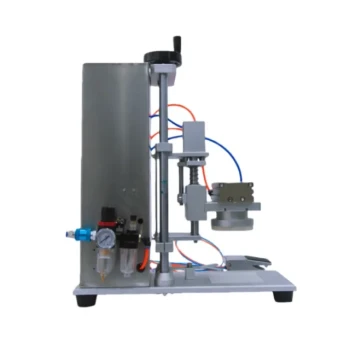
- HONESTBEE Professional Benchtop Pneumatic Bottle Capping Machine Capper
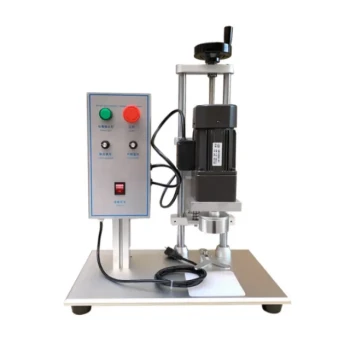
- Semi Automatic Electric Bottle Capping Machine
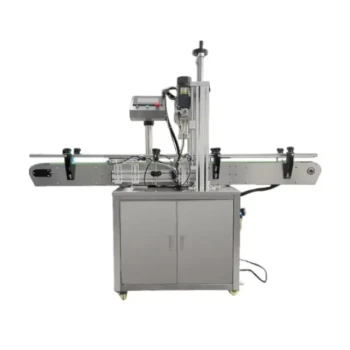
- Automatic Inline Spindle Bottle Capping Machine for Honey Production
- Professional Honey Uncapping Roller for Efficient Harvesting
- Stainless Steel Honey Press Wax Press with Tank
People Also Ask
- How does a bottle capping machine work? Unlock Efficient, Consistent Sealing for Your Production Line
- What is the purpose of a bottle capping machine? Boost Efficiency and Ensure Product Integrity
- What are the categories of bottle capping machines? Choose the Right Automation for Your Line
- What is a bottle cap sealing machine? The Key to Automated, Tamper-Evident Packaging
- What is the purpose of bottle capping equipment and what types are available? Professional Sealing Solutions