The Langstroth hive represents the global standard for movable frame beekeeping, yet it is far from the only option available to the modern apiarist. Depending on regional history and environmental needs, beekeepers utilize several distinct designs, including the National hive in the UK, smaller Scottish variants, and larger European models. While these hives differ significantly in dimension and capacity, they all share the critical architectural feature of holding comb in frames that can be removed without destroying the colony.
The core value of any modern hive is not its specific dimensions, but its utilization of the movable frame system. Whether using a global standard like the Langstroth or a regional specialist like the Scottish Smith hive, the goal is identical: to enable non-destructive inspection and efficient, high-yield honey extraction.
The Universal Standard: Why Movable Frames Matter
Before selecting a specific hive body, it is vital to understand the technological leap provided by the movable frame system itself.
Preservation of Infrastructure
In traditional fixed-comb beekeeping, harvesting often destroyed the nest. Movable frames allow you to remove honeycomb directly from the rear or top of the hive without damaging the colony's structure.
This enables extraction via centrifugal force, which keeps the beeswax combs intact. Bees can immediately reuse this comb, significantly increasing honey yield by saving the energy otherwise required to secrete new wax.
Enhanced Management Capability
Modern hives are designed for intervention. The frame system facilitates detailed colony inspections and efficient pest monitoring.
Furthermore, this structural optimization supports large-scale migratory beekeeping, allowing hives to be transported to different forage areas safely.
Common Hive Configurations
While the principle is universal, the execution varies based on geography and usage requirements.
The Langstroth Hive
This is the most widely used design in the world. It serves as the international benchmark for movable frame beekeeping.
Its ubiquity means equipment, frames, and accessories are standardized and easily sourced globally.
The National Hive
In the United Kingdom, the National hive is the dominant standard.
While it utilizes the same movable frame concept, the dimensions differ from the Langstroth to suit local preferences and bee handling methods.
The Smith Hive (Scottish Variant)
A smaller hive design is frequently utilized in Scotland.
This unit is specifically favored when bees are transported to Heather moors. Its compact footprint makes it lighter and easier to handle during transport over rough terrain compared to larger alternatives.
Large European Designs
Historically, a larger hive design was prevalent across much of continental Europe.
These hives provide greater internal volume for the brood nest, differing in frame count and size from the American or British standards.
Understanding the Trade-offs
Choosing a hive type involves balancing standardization against specific environmental needs.
Equipment Compatibility
The primary trade-off is interchangeability. If you choose a regionally specific hive (like the Smith or National), you may find it difficult to source parts or extractors if you move to a region dominated by Langstroth equipment.
Mobility vs. Volume
Larger European hives offer immense capacity for prolific colonies but can be physically demanding to inspect or move.
Conversely, smaller hives like the Scottish variant offer excellent mobility for migratory beekeeping but may require more intensive management to prevent swarming due to limited space.
Making the Right Choice for Your Goal
Select your hive type based on your geographic location and your physical capacity to manage the equipment.
- If your primary focus is global standardization: The Langstroth hive is the definitive choice due to universal parts availability and support.
- If your primary focus is keeping bees in the UK: The National hive is the most practical option, aligning with local equipment standards and supplier networks.
- If your primary focus is mobility in rough terrain: The Smith hive (or similar smaller variants) offers the compact size necessary for transport to locations like Heather moors.
Ultimately, the specific dimensions of the box matter less than the efficiency and stewardship allowed by the movable frame system inside it.
Summary Table:
| Hive Type | Primary Region | Key Feature | Best For |
|---|---|---|---|
| Langstroth | Global / International | Universal standardization | Commercial scale & parts availability |
| National | United Kingdom | Local UK standard | British beekeeping networks |
| Smith Hive | Scotland | Compact & lightweight | Migratory beekeeping (e.g., Heather moors) |
| European Models | Continental Europe | Large internal volume | High-capacity brood nests |
Scale Your Beekeeping Operation with HONESTBEE
As a dedicated partner to commercial apiaries and distributors, HONESTBEE provides the professional-grade tools you need to maximize efficiency. Whether you are managing thousands of colonies or supplying the next generation of beekeepers, we offer a comprehensive wholesale portfolio including:
- High-Precision Machinery: From hive-making equipment to automated honey-filling lines.
- Full-Spectrum Supplies: All major hive types, frames, and essential industry consumables.
- Custom Merchandise: Unique honey-themed cultural products to diversify your brand.
Take advantage of our global supply chain and industrial expertise. Contact HONESTBEE today to discuss wholesale pricing and how we can streamline your honey production and equipment sourcing.
Related Products
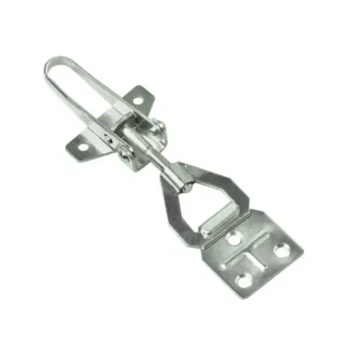
- Heavy Duty Adjustable Hive Connector
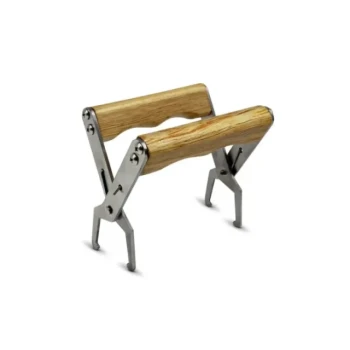
- Professional Grade Foldable Beehive Handles
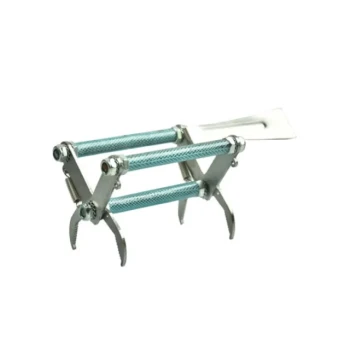
- Multi-Function Plier-Style Frame Grip Hive Tool
- Plastic Bee Frame Beekeeping Hive Frames for Wholesale
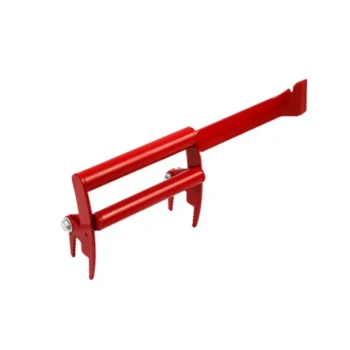
- Heavy-Duty Lever-Action Frame Grip with Hive Tool
People Also Ask
- Under what circumstance are beehive connectors particularly beneficial? Optimize Handling for Full Beehive Attachments
- What is the advantage of using the beehive connector when handling full attachments? Achieve Safe and Efficient Hive Transport
- What are the primary functions of a beehive connector? Ensure Hive Stability and Safe Colony Transport
- How can the connection length and strength of a beehive connector be adjusted? Master Tension with Threaded Mechanics
- What is the purpose of the beehive connector? Secure Your Hive for Safe Transport