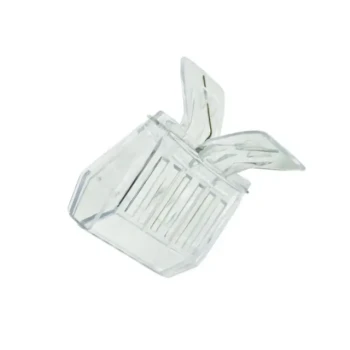
To use a queen excluder effectively, you must prioritize regular inspections and careful observation of bee behavior. Practical success relies on checking the device for physical damage to ensure it is free of blockages and monitoring the colony's traffic flow to prevent congestion.
Core Takeaway Queen excluders are powerful tools for separating brood from honey stores, ensuring cleaner harvests and improved hive organization. However, they are not "set and forget" devices; they require active monitoring of bee throughput and hive-specific adjustments to maintain colony efficiency.
Operational Maintenance and Introduction
Regular Inspection for Damage
The primary requirement for using a queen excluder is consistent maintenance. You must frequently inspect the device to ensure it is free of physical damage or bent wires.
Clearing Blockages
Bees will often bridge gaps with propolis or burr comb. Ensure the excluder remains free of blockages so that worker bees can pass through easily without injury or delay.
Gradual Introduction
Do not abruptly force a hive to adapt to a restricted flow. It is recommended to introduce the excluder gradually, allowing the bees time to adjust to the new barrier.
Monitoring Throughput
Watch the bee activity at the excluder level closely. If you notice a bottleneck or reduced movement into the supers, you may need to make adjustments to maximize efficiency.
Optimizing Hive Configuration
Utilizing Upper Entrances
To assist foraging bees, you can add an upper entrance to the hive positioned above the queen excluder. This provides a direct entry point for foragers, reducing the need for them to squeeze through the excluder repeatedly.
Reducing Physical Stress on Bees
By providing an upper entrance and minimizing traffic through the excluder, you can mitigate issues such as wing wear. This helps preserve the longevity of your foraging workforce.
Leveraging for Queen Management
Beyond honey production, use excluders for specific management tasks. They confine the queen to a smaller area, making her significantly easier to locate for re-queening, disease checks, or breeding operations.
Understanding the Trade-offs
Adaptability is Essential
There is no "one size fits all" approach to using excluders. Being flexible is key, as a configuration that works for one hive may cause congestion or rejection in another.
Separation vs. Integration
While excluders excel at keeping honey clean by preventing brood and pollen impurities in the supers, they physically separate the colony. You must ensure that this separation does not negatively impact the hive's cohesive operation or the queen's laying space.
Swarm Prevention Dynamics
Excluders can assist in swarm prevention by keeping the queen in check and managing overcrowding in specific zones. However, restricting the queen too tightly without providing ample room in the brood chamber can sometimes have the opposite effect if not monitored.
Making the Right Choice for Your Goal
Using a queen excluder is a strategic decision that depends on your specific objectives for the apiary.
- If your primary focus is Commercial Honey Production: Use an excluder to guarantee brood-free supers, cleaner honey with less pollen, and faster harvest times.
- If your primary focus is Queen Breeding: Utilize the excluder to isolate the queen for grafting or to house multiple queens within a single hive structure.
- If your primary focus is Hive Health: Monitor the excluder closely to ensure it does not damage worker wings or cause congestion that hampers the colony's workflow.
Success with a queen excluder ultimately comes down to observation—let the bees' behavior dictate your management strategy.
Summary Table:
| Tip Category | Practical Action | Benefit to Beekeeper |
|---|---|---|
| Maintenance | Clear propolis & check for bent wires | Prevents bottlenecks and worker injury |
| Configuration | Add an upper entrance above the excluder | Reduces wing wear and speeds up storage |
| Management | Use to confine queen to specific boxes | Simplifies re-queening and brood inspection |
| Observation | Monitor traffic flow through the grid | Prevents congestion and swarm triggers |
Elevate Your Apiary with HONESTBEE
Are you looking to scale your honey production or optimize your distribution? At HONESTBEE, we specialize in supporting commercial apiaries and beekeeping distributors with high-performance equipment and industry-essential consumables.
From precision-engineered queen excluders and specialized hardware to industrial-grade honey-filling machines and hive-making machinery, our comprehensive wholesale portfolio is designed to enhance your operational efficiency. We also offer a diverse range of honey-themed cultural merchandise to help you expand your retail reach.
Ready to upgrade your beekeeping operations? Contact us today to discover how our premium tools and machinery can drive your business success.
Related Products
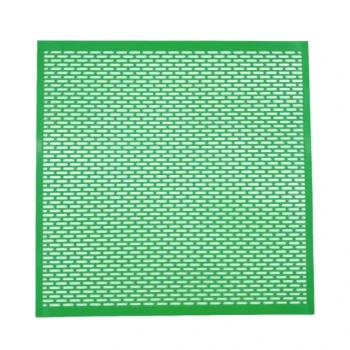
- High Performance Plastic Queen Excluder for Beekeeping and Apiary Management
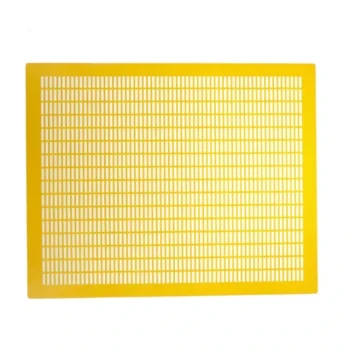
- Professional Plastic Queen Excluder for Modern Beekeeping
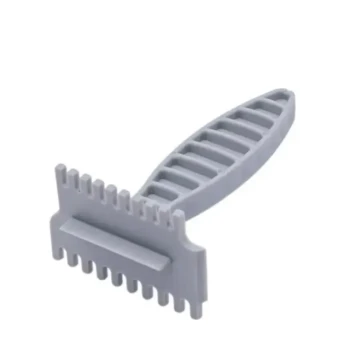
- Lightweight Durable Plastic Queen Excluder Scraper for Beekeeping
- Metal Queen Bee Excluder for Beekeeping
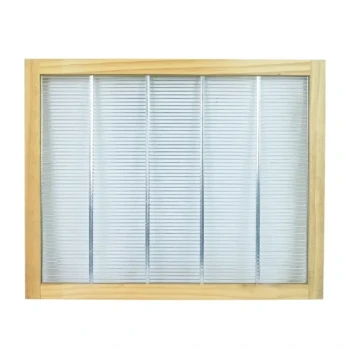
- Premium Wood Framed Metal Wire Queen Bee Excluder
People Also Ask
- What are the characteristics of a plastic queen excluder? Key Benefits for Cost-Effective Beekeeping
- What are the operational and cost advantages of using plastic queen excluders over metal or wire excluders in commercial hive management? Discover how they reduce labor, prevent wing damage, and lower total costs.
- What types of queen excluders are available for beekeepers? Choose the Right Tool for Your Hive
- Why are standardized hive frames and queen excluders essential for maintaining honey purity and quality? Scale Your Purity
- Do plastic queen excluders work? A Cost-Effective Solution for Modern Apiaries