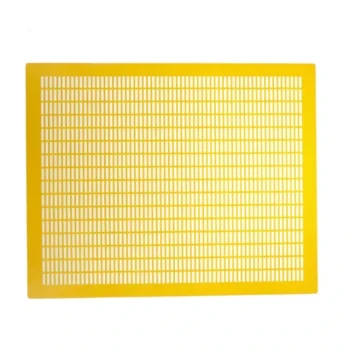
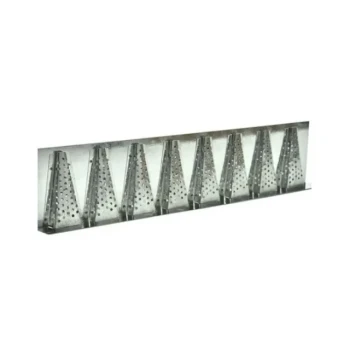
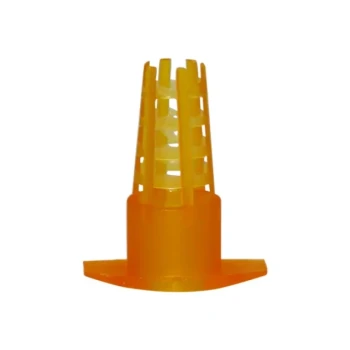
Metal queen excluders represent a long-term investment in hive management, prioritizing durability and bee safety over low cost and light weight. Their primary advantages lie in their ability to withstand rigorous cleaning and years of use without deforming, though they require beekeepers to manage issues related to weight and thermal conductivity.
The Bottom Line: Metal excluders are the superior choice for beekeepers who prioritize equipment longevity and hygiene. While they demand a higher upfront cost and physical effort to handle, they eliminate the sagging and roughness often associated with plastic alternatives, ensuring better bee health and consistent "bee space" over decades of use.
Why Professionals Choose Metal
Unmatched Durability and Lifespan
Longevity is the standout feature of metal excluders. Unlike plastic versions that become brittle or warp, a robust metal excluder can remain functional for many years, often spanning decades.
Superior Bee Safety
High-quality metal excluders feature smooth, rounded wire edges. This design is critical because it allows worker bees to squeeze through the grid with minimal friction, significantly reducing the risk of wing damage or injury compared to stamped materials with sharper edges.
Structural Integrity
Metal excluders are rigid and sit perfectly flat on the brood box. They do not sag under the weight of bees or heavy honey supers. This rigidity ensures the "bee space" between boxes remains constant, preventing bees from building unwanted bridge comb that makes frame removal difficult.
Rigorous Sterilization Options
Metal is the only material compatible with high-intensity sterilization methods. You can safely subject metal excluders to gamma irradiation to eliminate disease spores without damaging the equipment.
Ease of Cleaning
Maintenance is straightforward and aggressive methods are permitted. Beekeepers can scrape off burr comb and apply heat (such as a torch or boiling water) to melt away wax and propolis. These cleaning methods would destroy plastic excluders.
Understanding the Trade-offs
Increased Weight and Cost
The most immediate downsides are physical and financial. Metal excluders are significantly heavier than plastic, adding to the total weight of the hive stack. They also command a higher purchase price, representing a larger initial capital expense.
Small Hive Beetle Harborage
The design of the frame matters. Models that feature folded metal edges created to bind the wires can inadvertently create hiding spots (harborages) for small hive beetles (Aethina tumida), making pest management slightly more difficult in affected regions.
Thermal Conductivity Issues
Metal is a highly effective conductor. In extreme weather, the excluder can conduct heat or cold into the hive environment. This thermal bridge may disrupt the internal temperature regulation of the colony more than a non-conductive material would.
Susceptibility to Rust
Not all metal is created equal. While stainless steel is resistant, galvanized metal types may eventually rust. This corrosion can degrade the equipment over time and potentially introduce contaminants into the hive environment.
Making the Right Choice for Your Goal
To decide if metal excluders fit your apiary management style, consider your specific constraints:
- If your primary focus is Equipment Longevity: Choose metal to avoid the cycle of replacing warped or brittle plastic gear every few seasons.
- If your primary focus is Disease Management: Choose metal for the ability to use heat and gamma irradiation to fully sterilize equipment between colonies.
- If your primary focus is Budget or Weight Reduction: You may prefer plastic alternatives to reduce initial costs and the physical burden of lifting heavy components.
By accepting the higher weight and cost of metal, you gain a professional-grade tool that protects your bees' wings and withstands the harshest maintenance routines.
Summary Table:
| Feature | Advantages | Disadvantages |
|---|---|---|
| Durability | Long lifespan (decades), resists warping/brittleness | Prone to rust if not stainless steel |
| Bee Welfare | Smooth wires prevent wing damage; maintains bee space | Metal conducts heat/cold into the hive |
| Maintenance | Supports heat cleaning and gamma sterilization | Heavier to lift and handle manually |
| Cost | High long-term value; infrequent replacement | Higher initial purchase price |
| Pest Control | Rigid structure prevents bridge comb | Folded edges can hide small hive beetles |
Elevate Your Apiary with Professional-Grade Equipment
Are you looking to upgrade your commercial beekeeping operation with equipment built to last? HONESTBEE specializes in providing commercial apiaries and distributors with high-performance wholesale beekeeping solutions. From durable metal queen excluders and hive-making machinery to specialized honey-filling systems and cultural merchandise, we supply the full spectrum of tools you need to succeed.
Why partner with HONESTBEE?
- Wholesale Excellence: Comprehensive inventory of essential industry consumables and hardware.
- Built for Professionals: Our equipment is designed to withstand rigorous cleaning and heavy use.
- Global Distribution: Reliable supply chains for large-scale operations.
Don't settle for gear that needs frequent replacement. Contact us today to discuss how our premium beekeeping tools and machinery can improve your efficiency and honey production.
Related Products
- Metal Queen Bee Excluder for Beekeeping
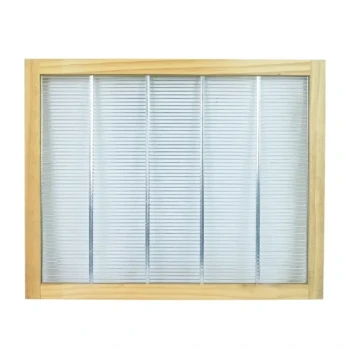
- Premium Wood Framed Metal Wire Queen Bee Excluder
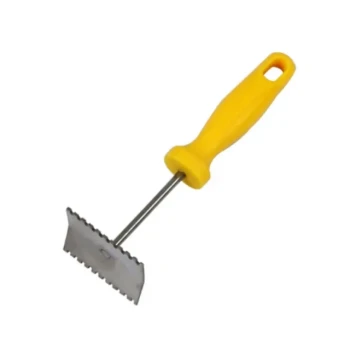
- Stainless Steel Scraper for Metal Queen Bee Excluders
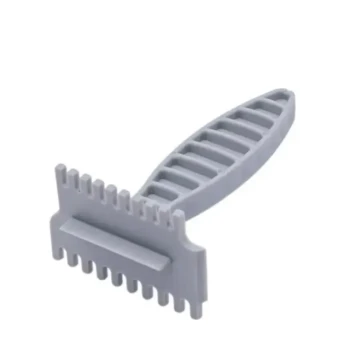
- Lightweight Durable Plastic Queen Excluder Scraper for Beekeeping
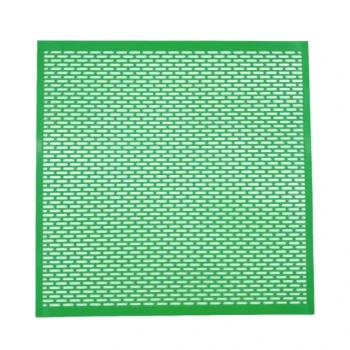
- High Performance Plastic Queen Excluder for Beekeeping and Apiary Management
People Also Ask
- Why are standardized hive frames and queen excluders essential for maintaining honey purity and quality? Scale Your Purity
- What types of queen excluders are available for beekeepers? Choose the Right Tool for Your Hive
- How does a queen-bee excluder function as a defense against Small Hive Beetles? Protect Your Honey with Resource Denial
- What is the primary function of a queen excluder within a commercial beehive? Ensure Purity in Honey Production
- Can a queen excluder be used as a propolis trap? Understand Bee Space for Better Hive Management