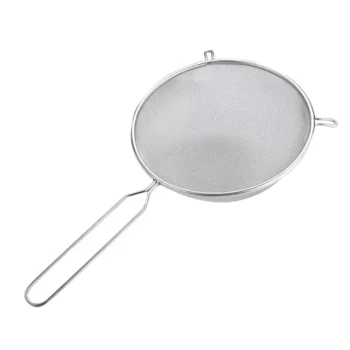
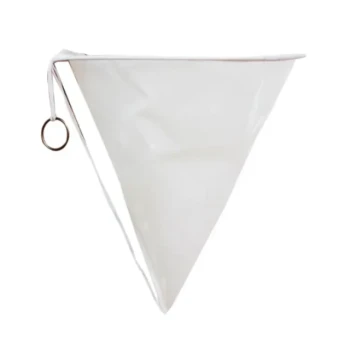
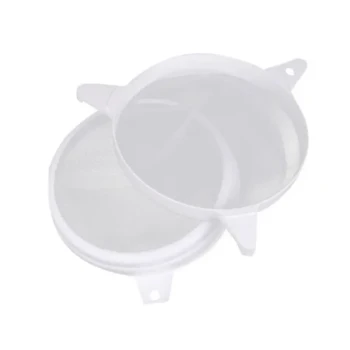
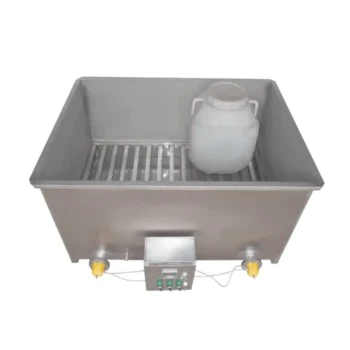
Professional low-temperature filtration equipment is the cornerstone of premium honey production, as it removes impurities without compromising the bio-active enzymes, antioxidants, and nutritional integrity of raw honey. Unlike traditional heat-intensive methods, this technology ensures physical stability and consistent clarity while maintaining the honey’s natural crystallization and flavor profiles.
This equipment allows producers to meet the rigorous quality standards of high-end retail channels by balancing absolute purity with the preservation of natural nutrients. For distributors, it represents a commitment to product stability and market value through advanced, temperature-controlled processing.
Preserving Biological Integrity and Market Value
Protecting Heat-Sensitive Enzymes
Low-temperature filtration is specifically designed to remove debris without the use of excessive heat, which can destroy delicate natural enzymes. These enzymes are the primary indicators of "raw" honey quality and are highly valued by health-conscious consumers.
Controlling HMF Levels
Advanced systems utilize low-pressure filtration, typically maintaining pressure below 2 bar, to prevent local heat accumulation caused by friction. This precise control prevents the rise of Hydroxymethylfurfural (HMF), a chemical marker used by regulators to determine if honey has been over-processed or aged.
Maintaining Natural Flavor and Aroma
By avoiding high-temperature liquefaction, the equipment preserves the volatile aromatic compounds that define the honey's floral source. This ensures the sensory profile remains intact, allowing the product to command a higher price point in the premium market.
Ensuring Physical Stability and Shelf Life
Multi-Stage Precision Purification
Professional systems employ multi-stage filtration to effectively remove wax debris, larval fragments, and bee parts introduced during harvesting. This process achieves the high clarity required for commercial sale while keeping the natural pollen count within acceptable "raw" parameters.
Moisture Control and Fermentation Prevention
Industrial-grade equipment often integrates low-temperature concentration to manage excess moisture without damaging active components. Reducing moisture is critical for ensuring the honey remains stable throughout its shelf life and does not undergo unwanted fermentation.
Physical Stability Across Climates
Precise temperature control prevents the over-liquefaction that often plagues poorly processed honey. This ensures that the product maintains its physical characteristics and quality standards regardless of the climate conditions it encounters during global distribution.
Understanding the Trade-offs
Process Speed vs. Product Quality
Low-temperature filtration is inherently slower than high-heat "flash" filtration methods. While this results in lower hourly throughput, the increase in product value and retention of biological activity usually offsets the slower production pace for premium brands.
Capital Investment and Maintenance
Industrial-grade filtration systems require a higher initial investment and more specialized maintenance than basic straining tools. However, for B2B resellers, this investment is justified by the reduction in product recalls and the ability to meet strict international food safety standards.
The Complexity of Raw Labeling
True raw honey must balance cleanliness with the presence of natural pollens. Professional equipment must be calibrated carefully; over-filtration can remove too much pollen, potentially complicating the product's "raw" classification in certain regulatory jurisdictions.
Making the Right Choice for Your Goal
As a distributor or wholesaler, selecting the right processing standard is essential for aligning your inventory with market demands and ensuring long-term supply chain reliability.
- If your primary focus is High-End Retail Placement: Prioritize equipment that emphasizes enzyme preservation and low HMF levels to meet the strictest "raw" honey certifications.
- If your primary focus is Global Export and Long Shelf-Life: Opt for systems with integrated low-temperature moisture control and multi-stage purification to ensure stability across diverse climates.
- If your primary focus is Supply Chain Efficiency: Look for partners offering one-stop sourcing for a full spectrum of filtration equipment to ensure rapid response and consistent technical support.
By leveraging professional low-temperature filtration, you transform a raw agricultural commodity into a stable, high-value asset that meets the uncompromising standards of the modern global market.
Summary Table:
| Advantage | Key Benefit | Commercial Impact |
|---|---|---|
| Enzyme Preservation | Protects heat-sensitive bio-active compounds. | Higher retail price for "Raw" certification. |
| HMF Level Control | Maintains low HMF by avoiding friction heat. | Meets strict international food safety standards. |
| Aroma Retention | Preserves volatile floral aromatic compounds. | Enhanced sensory profile for premium markets. |
| Multi-Stage Purity | Removes wax and debris without stripping pollen. | Optimal balance between clarity and nutrition. |
| Moisture Management | Integrated low-temp concentration prevents fermentation. | Extended shelf life and global export stability. |
Scale Your Honey Business with HONESTBEE’s One-Stop Solutions
Are you a distributor or B2B reseller looking to dominate the premium honey market? HONESTBEE provides the full spectrum of beekeeping tools, machinery, and equipment—from specialized low-temperature filtration systems to honey-filling machines and essential consumables.
Partner with us to benefit from:
- Comprehensive Portfolio: Everything from hive-making hardware to cultural merchandise.
- Rapid Fulfillment: Efficient order processing and ultra-fast delivery to keep your supply chain moving.
- OEM/ODM Support: Tailored solutions to enhance your brand’s competitive edge and profit margins.
- Expert Technical Support: Deep professional industry expertise to solve your production challenges.
Contact HONESTBEE Today to access premium wholesale offerings and elevate your honey production standards!
References
- Y.V. Kozyaychev. AMERICAN EXPERIENCE IN IMPLEMENTING THE CONCEPT OF RELATIONSHIP MARKETING IN THE BEEKEEPING INDUSTRY. DOI: 10.34660/inf.2021.18.10.003
This article is also based on technical information from HonestBee Knowledge Base .
Related Products
- Electric Double Wall Honey Filtering Machine Purifier Equipment for Honey Processing Plant
- 0.5T Capacity Honey Dehumidifier Dryer with Vacuum Heating and Thickening Filtering Machine
- Professional Stainless Steel Honey Filtering Machine with Water Bath Heating for Beekeeping
- Honey Concentrating and Filtering Dehumidifier Machine 2T Capacity for Honey
- Professional Stainless Steel Honey Filter with Support Handle
People Also Ask
- What types of equipment are used in honey filtering? Build an Efficient System for Pure, Marketable Honey
- What is the process of filtering honey? A Guide to Clean, Pure, and Market-Ready Honey
- What is the overall importance of using the right equipment in honey filtering? Boost Quality & Marketability
- What are the benefits of drying honey filtering equipment after use? Protect Your Honey Quality & Equipment Investment
- Why is filtering important in honey processing, and what equipment is used? A Guide to Quality & Efficiency