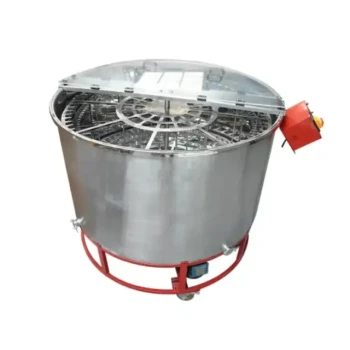
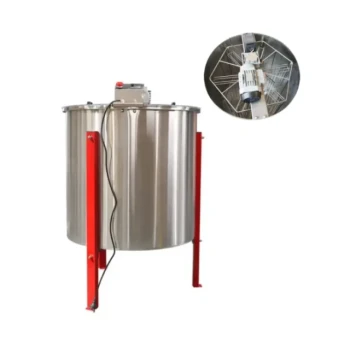
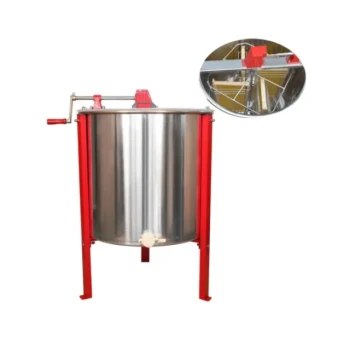
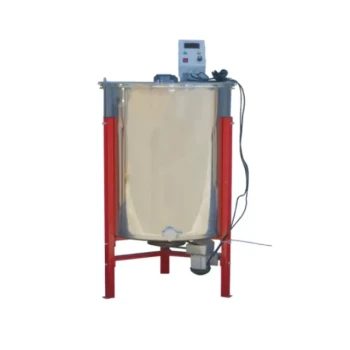
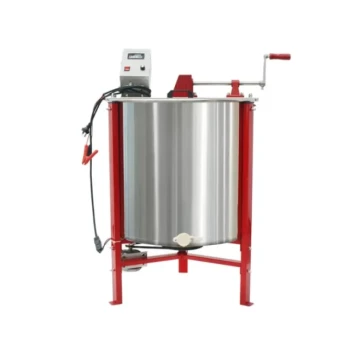
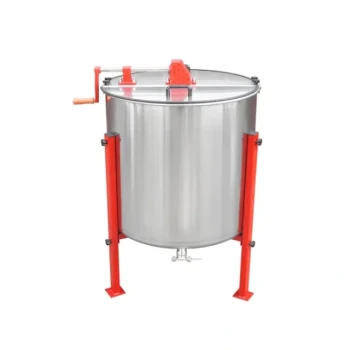
A honey extractor streamlines the harvest by using centrifugal force to spin honey out of the frames, offering a far more efficient alternative to manual crushing methods. This device allows beekeepers to extract high volumes of honey rapidly while ensuring the delicate honeycomb structure remains intact and undamaged.
The most critical advantage of a honey extractor is the preservation of "drawn comb." By harvesting without destroying the wax structure, you save the bees the immense energy required to rebuild it, directly resulting in higher future honey yields and reduced stress on the colony.
Preserving the Hive Ecosystem
Protecting the Comb Structure
The primary benefit of using an extractor is that it allows you to remove honey with minimal damage to the beehive frame. Unlike crush-and-strain methods, the extractor spins the honey out, leaving the wax cells empty but structurally sound.
Reducing Colony Stress
Because the comb is preserved, the frames can be immediately returned to the hive for reuse. This significantly reduces the workload for the bees, allowing them to focus on foraging and filling cells rather than secreting new wax to rebuild their home.
Operational Efficiency and Yield
Increasing Processing Speed
Extractors, particularly electric models, allow for the simultaneous processing of multiple frames. This creates a high-efficiency workflow where large volumes of honey can be harvested in a fraction of the time required for manual methods.
Improving Honey Quality
Centrifugal extraction yields a cleaner final product. Because the comb is not crushed, the resulting honey contains significantly less wax debris and pollen, requiring less filtration and settling time to achieve a clear, high-quality product.
Maximizing Harvest Volume
The physics of the extractor ensures a higher yield from every frame. The centrifugal force pulls honey from deep within the cells that might otherwise be trapped and wasted during a gravity-based draining process.
Workflow Optimization (Electric Models)
Automation and Multitasking
Motorized extractors automate the spinning process, eliminating physical cranking. This frees the beekeeper to perform other critical tasks, such as uncapping the next set of frames, while the machine is running.
Precision Control
Advanced extractors offer variable speed controls. This allows you to adjust the force based on the equipment; you can use higher speeds for durable plastic foundations or slower, gentler speeds to protect delicate wax foundations.
Understanding the Trade-offs
Initial Investment vs. Long-term Gain
While extractors provide economic processing over time, they represent a higher initial financial cost compared to simple straining tools. Beekeepers must weigh this upfront expense against the labor hours saved during harvest.
Maintenance and Storage
Extractors are large pieces of equipment that require dedicated storage space and thorough cleaning after every use. The efficiency they provide during the harvest season must be balanced against the maintenance required during the off-season.
Making the Right Choice for Your Apiary
Once you understand the mechanics, choose the tool that aligns with your specific operational scale.
- If your primary focus is rapid expansion: Prioritize an electric extractor to maximize time savings, allowing you to manage more hives with less physical labor.
- If your primary focus is cost-efficiency for a small apiary: Consider a manual extractor, which offers the benefit of comb preservation without the higher price tag of a motor.
- If your primary focus is foundation longevity: Ensure your extractor has variable speed controls to prevent "blowouts" on delicate fresh wax frames.
Invest in an extractor not just to save time, but to treat your honeycomb as a renewable asset rather than a disposable resource.
Summary Table:
| Feature | Manual Crushing | Centrifugal Extraction |
|---|---|---|
| Comb Integrity | Destroyed (Wax lost) | Preserved (Reusable) |
| Honey Quality | High wax/pollen content | Clean, low debris |
| Processing Speed | Slow, manual labor | Rapid, multi-frame output |
| Bee Energy Use | High (must rebuild wax) | Low (focus on foraging) |
| Yield Volume | Moderate | Maximum (deep cell drain) |
Elevate Your Honey Production with HONESTBEE
As a professional beekeeper or distributor, your success depends on efficiency and equipment reliability. HONESTBEE specializes in supporting commercial apiaries with a comprehensive range of high-performance beekeeping machinery—from advanced honey-filling systems to high-capacity extractors designed to preserve your precious comb assets.
Whether you are scaling your operations or supplying the industry, our wholesale solutions provide the tools, specialized hardware, and essential consumables you need to thrive. Contact HONESTBEE today to discover how our professional-grade equipment can streamline your harvest and boost your bottom line.
Related Products
- HONESTBEE 72 Frame Industrial Electric Honey Extractor for Beekeeping
- Commercial Electric 12 Frame Honey Extractor Spinner Motorized Honey Extractor
- HONESTBEE 6 Frame Self Reversing Electric Honey Extractor for Beekeeping
- HONESTBEE 3-Frame Manual Acrylic Honey Extractor
- Stainless Steel Manual 8 Frame Radial Honey Extractor Machine for Beehives
People Also Ask
- What is the importance of balancing honeycomb frames within a honey extractor? Ensure Stability and Protect Machinery
- How is honey separated from the frames after they are uncapped? Efficient Extraction Methods for High Yields
- What are the main benefits of using a honey extractor? Maximize Yields and Protect Your Honeycomb
- What are the recommended methods for removing honey from the honeycomb? Top Extraction Techniques for Maximum Efficiency
- How do manual honey extractors compare to electric honey extractors? Choosing the Right Tool for Your Apiary Growth